Water Damage Restoration Howell, MI
24/7 water damage restoration in Howell, MI. The restoration team extracts standing water, dries the structure to the IICRC S500 standard and documents every step for your insurance claim.
(888) 612-9219Basement taking on water? Call dispatch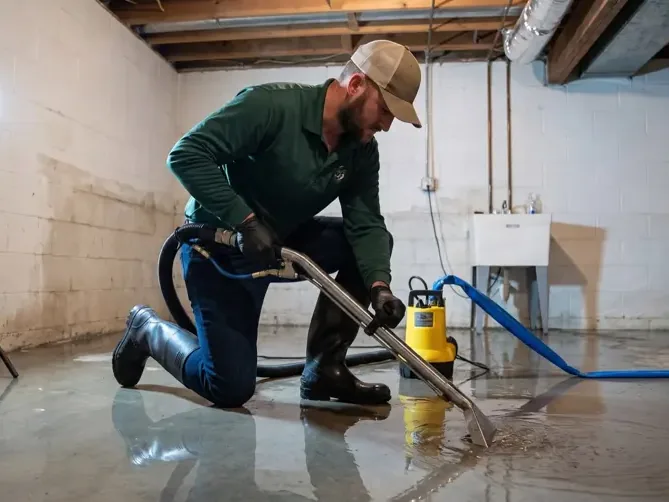
The first hour: what to do while the water is still moving
What happens in the first hour decides how much of a basement or a ceiling can be dried in place instead of torn out.
- 1
Shut the water off
Close the main valve, usually on the basement wall where the service pipe comes in. On a private well, switch off the pump too.
- 2
Cut power to wet areas
Flip those breakers only if the panel and the floor in front of it are dry. Never wade into a flooded basement with live outlets.
- 3
Check the sump pump
If the pit is full and the pump is silent, look for a tripped breaker or a stuck float before the water climbs higher.
- 4
Photograph everything
Wide shots, close-ups and the high-water mark on walls, boxes and furniture, all taken before anything is moved.
- 5
Lift, then call
Get rugs, boxes and electronics off the floor, then call. Mold can start growing within 24 to 48 hours.
Water Damage Restoration Services in Howell, MI
Water and sewage only, from the first extraction pass to the final dry reading, across the city, the townships and the lake communities around it.
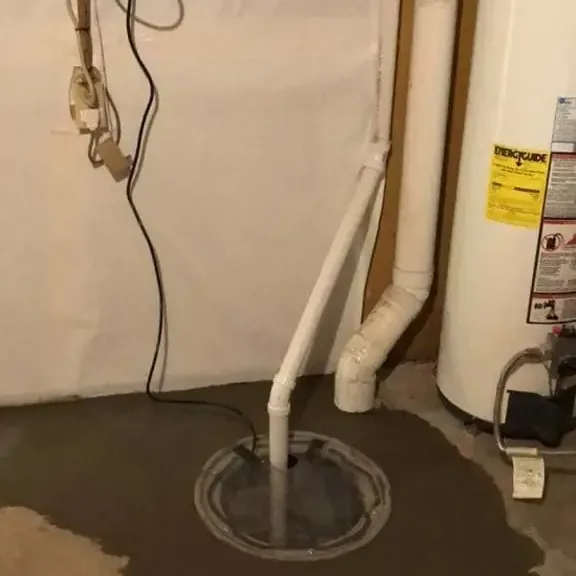 Groundwater, thaw and floor drainsBasement Flooding CleanupSeepage, window wells and floor drains: water pumped out, finished walls cut and the space dried.See how this loss gets dried
 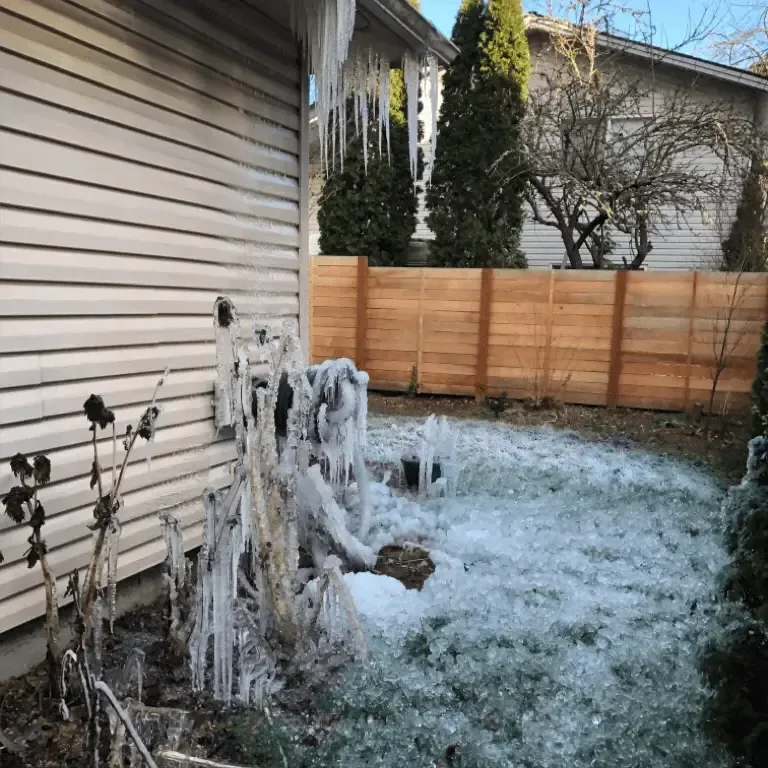 Weeks below freezing every winterFrozen Pipe Water DamagePipes split in outside walls, garages and crawl spaces, found and dried once they thaw.See how this loss gets dried
 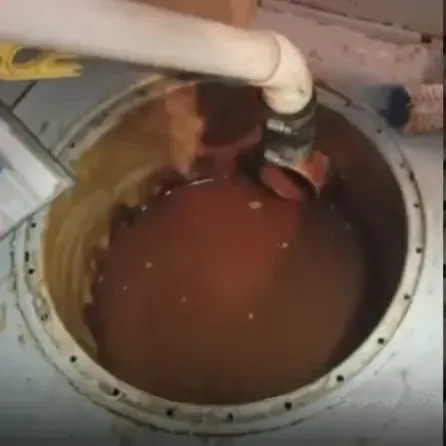 Pits that overflow in a stormSump Pump Failure Water DamageA seized pump, a stuck float or a power cut in a storm, extracted before the drywall wicks it up.See how this loss gets dried
  Water Extraction and RemovalTruck-mounted and portable extraction pulls standing water off carpet, hardwood and concrete first.Read the dry-out steps
 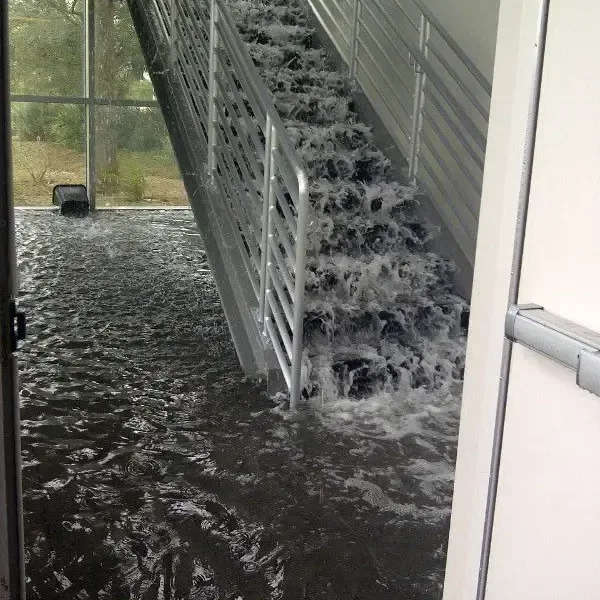 Burst Pipe Water DamageCopper, galvanized and PEX failures inside walls and ceilings, with the wet cavities opened.Read the dry-out steps
 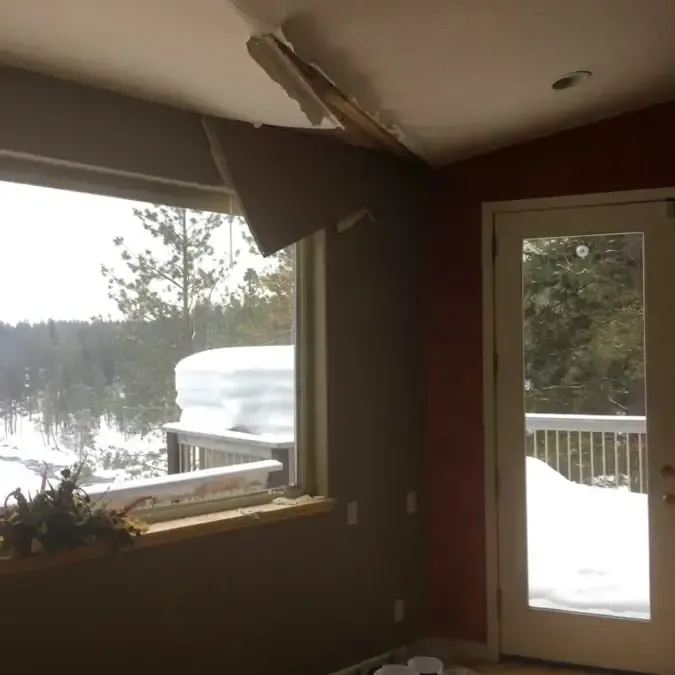 Ice Dam Water DamageMeltwater backed up under shingles at the eaves, traced into attic insulation and wall cavities.Read the dry-out steps
 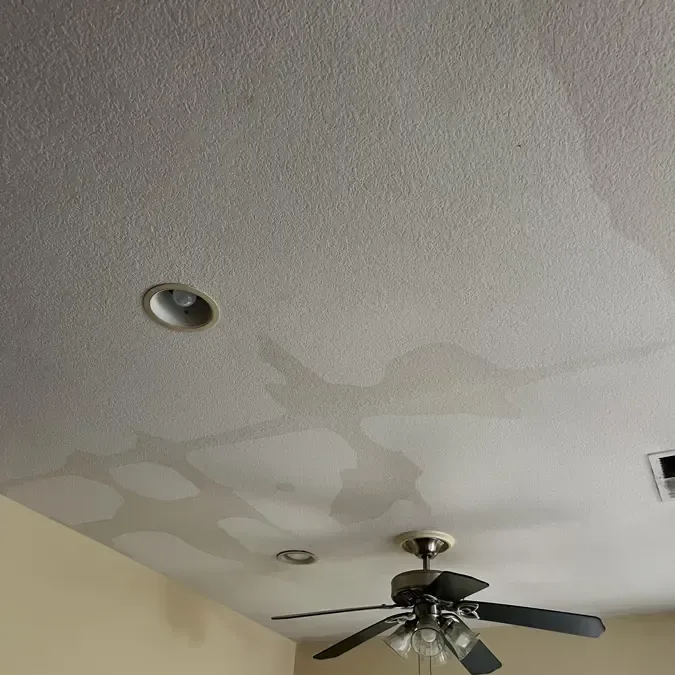 Roof Leak Water DamageStorm leaks at worn shingles, flashing and vents, wet insulation pulled and ceilings dried.Read the dry-out steps
 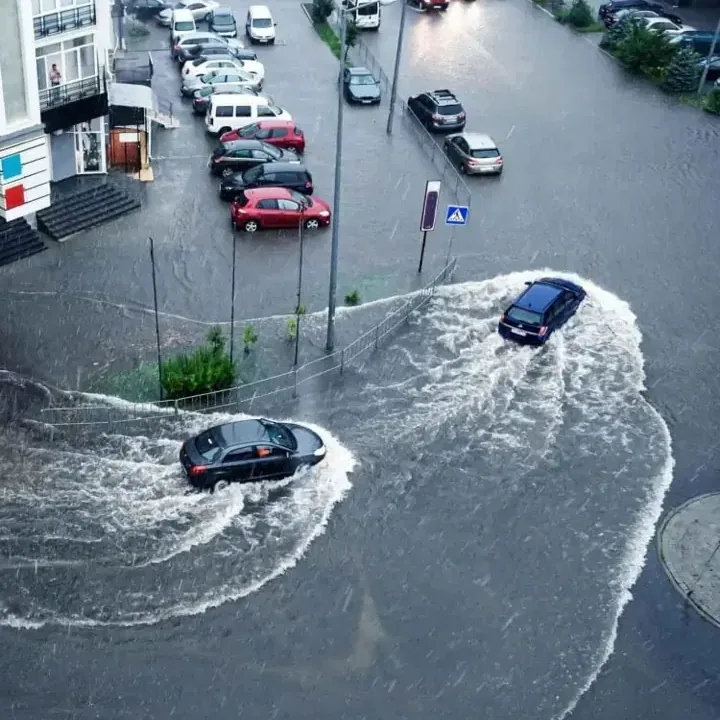 Storm and Snowmelt Flood CleanupHeavy rain and spring thaw water treated as contaminated, removed, cleaned and dried.Read the dry-out steps
 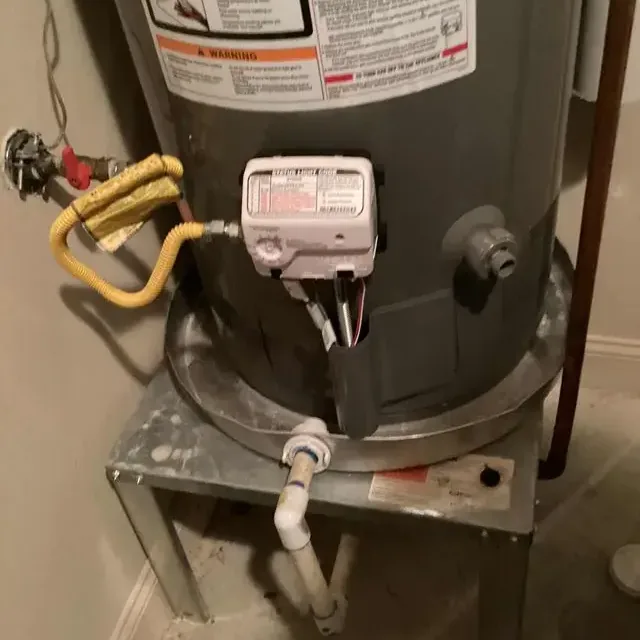 Water Heater Leak CleanupBasement tank failures extracted before the water reaches carpet, drywall and stored boxes.Read the dry-out steps
 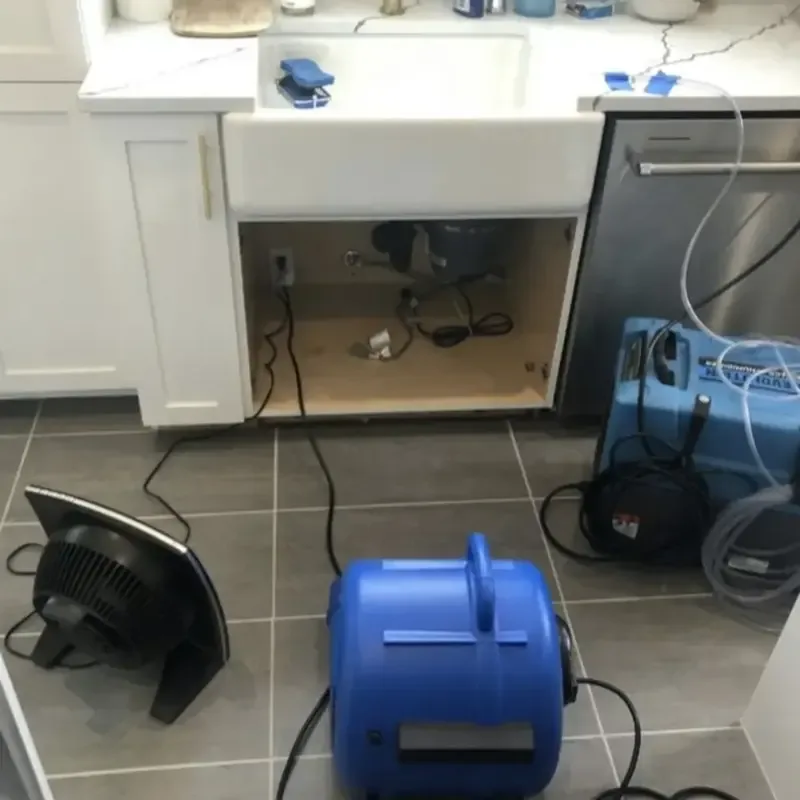 Appliance and Supply Hose LeaksWasher hoses, dishwashers, ice makers and toilet supplies cleaned up from floors and cabinets.Read the dry-out steps
 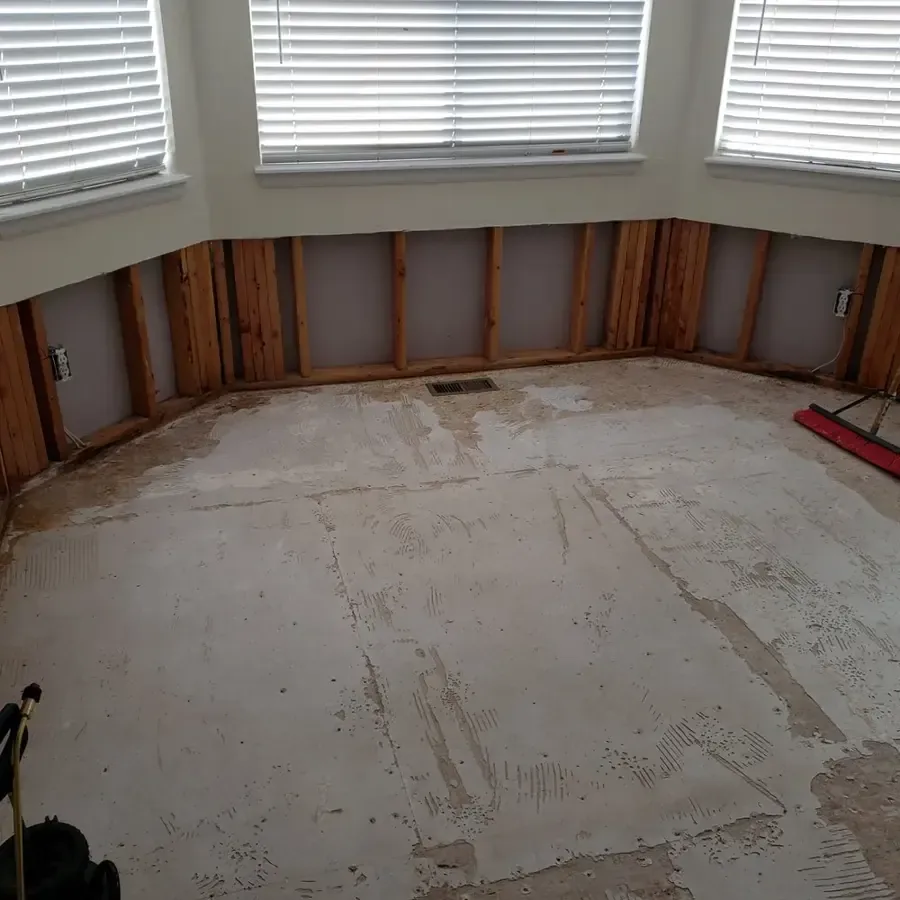 Sewage and Septic Backup CleanupFloor drain, sewer and septic backups handled as Category 3, porous materials removed.Read the dry-out steps
 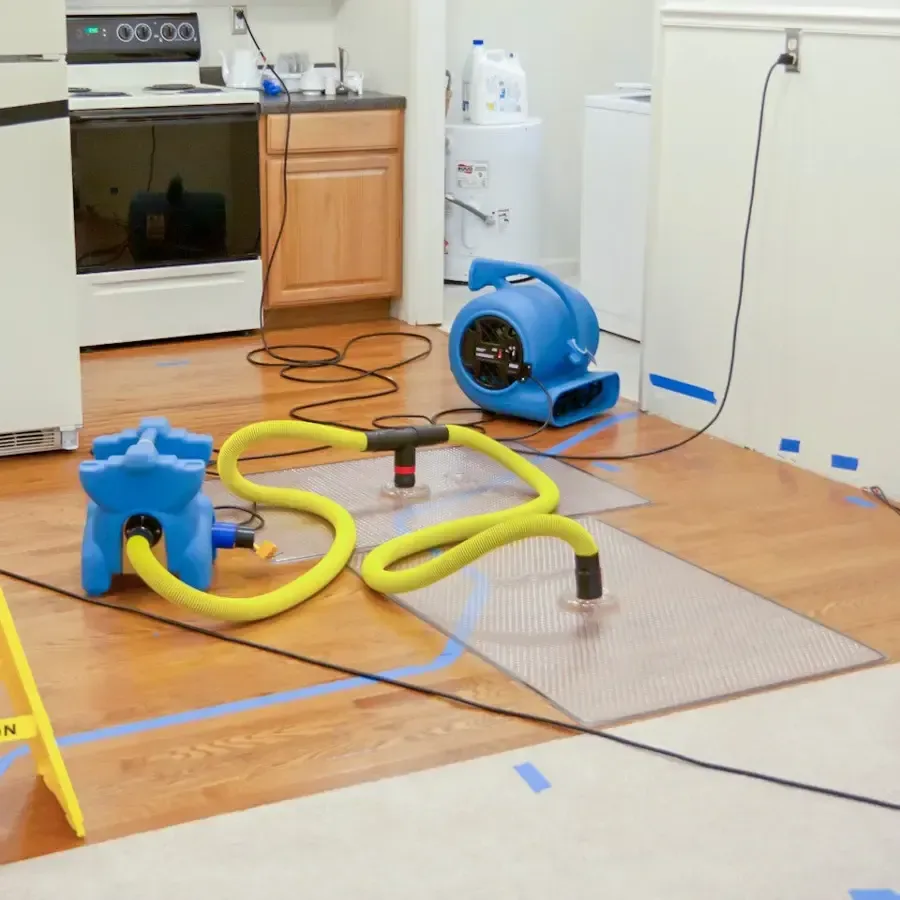 Structural Drying and DehumidificationFraming, subfloor, plaster and concrete dried to a verified reading, not a dry look.Read the dry-out steps
 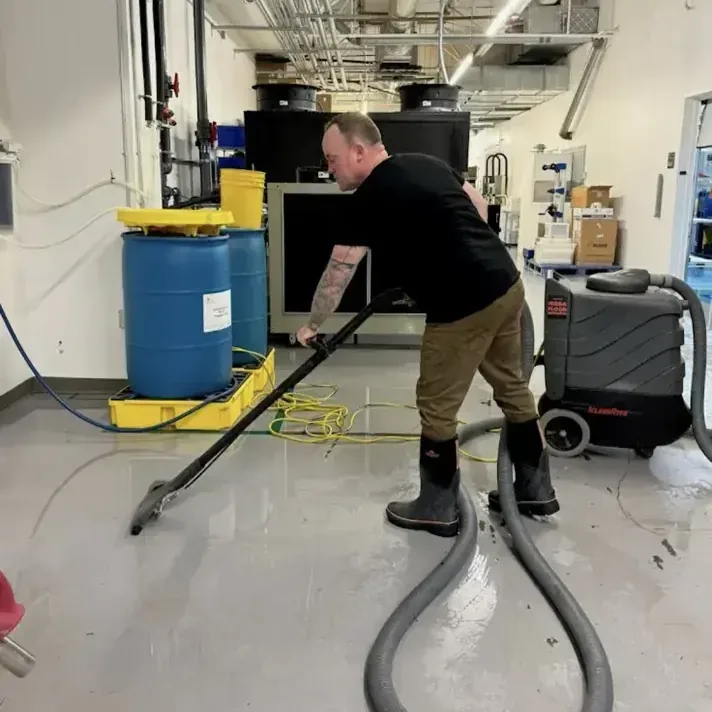 Commercial Water DamageShops, offices and clinics dried in phases so the doors can stay open.Read the dry-out steps
 How the response works across Livingston County
Rapid local response
Dispatch runs 24/7, and active water is treated as urgent. The response team arrives with extraction gear, meters and drying equipment on the truck.
IICRC S500 drying standard
The drying team works to IICRC S500, the industry drying standard: structural drying of framing, subfloor and concrete, not just surface drying.
Claim-ready documentation
Moisture maps, daily psychrometric logs and timestamped photos go into one file that an adjuster can follow from the first visit to the last reading.
Local water know-how
Basements, sump pits, frozen pipes, ice dams and septic systems are everyday work for the local restoration pros, and each drying plan reflects the house.
Water damage dried to the IICRC S500 standard
What separates a finished dry-out from a cosmetic one is the order of the work. On every job the local restoration pros follow the same sequence.
- 1
Moisture mapping
The tech who does the walkthrough maps wet drywall, framing and concrete with pinless meters and thermal imaging before equipment goes down.
- 2
Truck-mounted extraction
The extraction crew pulls standing water off carpet, hardwood and the basement slab so it leaves the house instead of soaking in.
- 3
Air movers and dehumidifiers
The drying team sizes air movers to each room's evaporation load and runs LGR dehumidifiers, with desiccant units for dense or cold spaces.
- 4
Daily readings
Most crews log moisture, temperature and humidity every day, the psychrometric record a claim file needs.
- 5
Dry verification
Equipment comes out when wet materials read within 2 to 4 points of a dry reference material in the same home.
All water damage categories covered in Howell, MI
Category 1, 2 and 3 water are handled differently. The source sets the category, not how clear the water looks.
Clean water
A burst or frozen pipe, a water heater or a supply hose. The drying team dries it in place when the work starts before the water degrades.
Gray water
Washer or dishwasher discharge, an overflowing sump pit, or clean water left standing in a warm basement. Carpet pad usually comes out; hard surfaces get cleaned and treated.
Black water
Sewage, a septic backup or outside flood water. Porous materials touched by Category 3 water get removed, not dried.
Sewage and septic backup cleanupHow long a basement dry-out takes, and when it is done
A contained Class 1 or Class 2 loss usually dries in three to five days. Concrete, plaster and hardwood take longer, and a cold house dries slower until the heat is back on.
The drying goal is a reading, not a date. Equipment leaves when wet material sits within 2 to 4 points of a dry reference, and only then do repairs start. The drying time estimator gives a range for your rooms.
What does water damage restoration cost in Howell, MI?
Water damage restoration here typically runs $1,200 to $12,000, and more for large Category 3 losses. The drivers are the water category, the square footage that got wet, the material class and how fast drying started.
One room, clean water
$1,200 to $3,500
- Category 1 pipe or appliance leak
- Drywall, carpet or hardwood
- Three to four days of equipment
Finished basement or several rooms
$3,500 to $8,000
- Carpet pad and lower drywall removed
- Framing and slab dried
- Four to seven days of drying
Sewage, septic or flood water
$8,000 to $20,000+
- Category 3 removal and cleaning
- Containment and HEPA air scrubbers
- Antimicrobial and full structural drying
For a closer planning figure, run the water damage cost calculator. A firm number comes from the on-site walkthrough.
Documentation for your insurance claim
A water claim is decided on the file. A sudden and accidental discharge, such as a burst pipe, is usually treated differently from outside flood water, which falls under flood coverage, and a sewer or sump backup often needs its own endorsement.
Coverage depends on your policy, so it is worth checking with your own insurer. Ask the restoration contractor who responds what documentation comes with the job.
What a complete claim file contains
- A moisture map from the first visit
- Daily psychrometric logs and moisture readings
- Timestamped photos taken before any demolition
- The category and class of the loss
- A line-item scope in the format adjusters expect
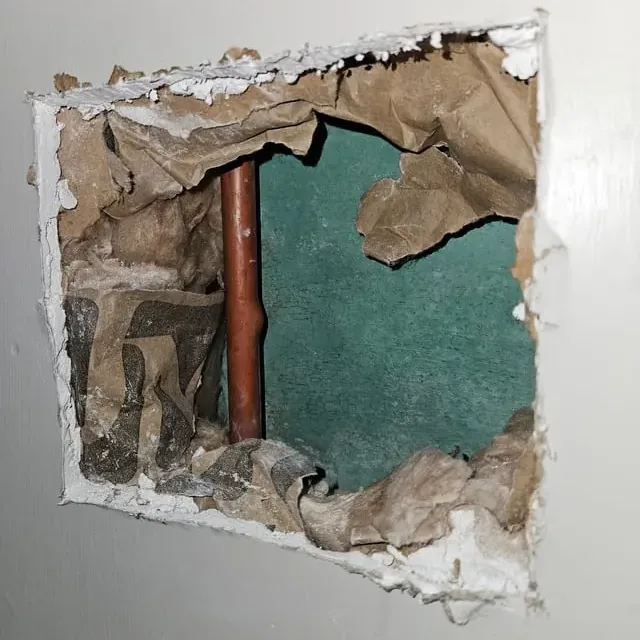
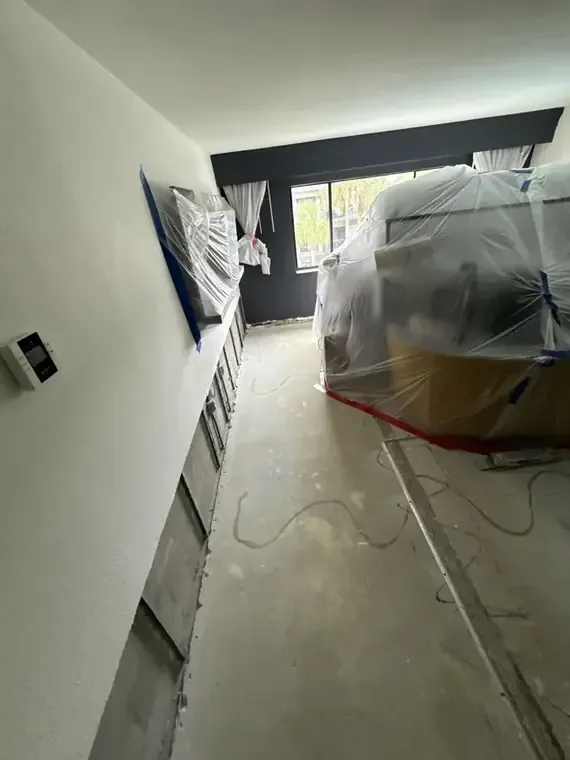
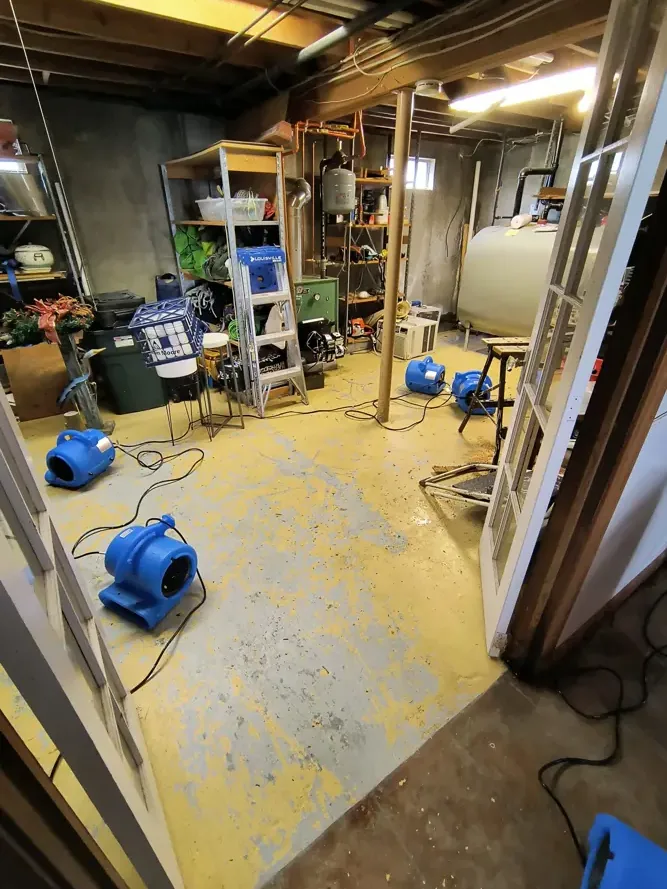
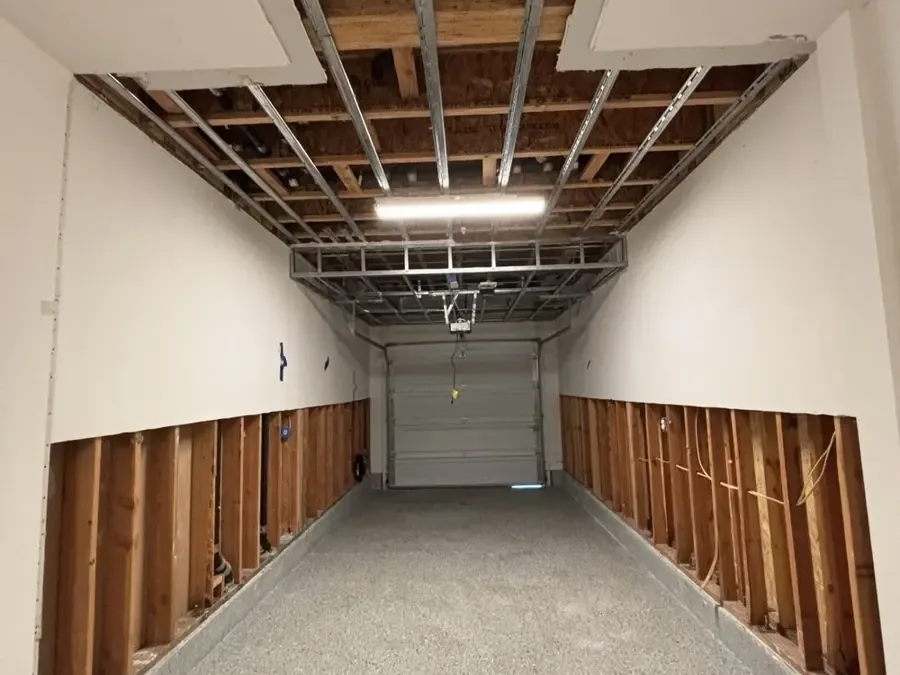
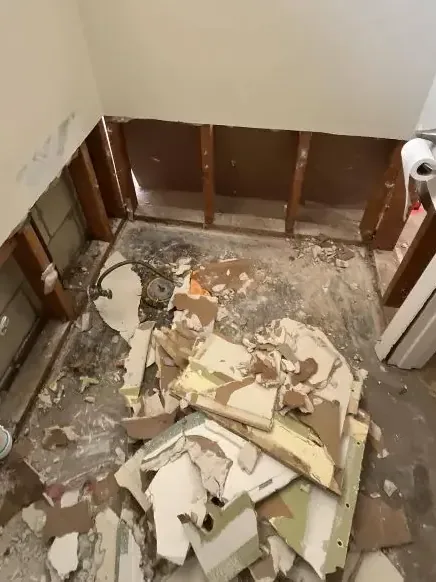
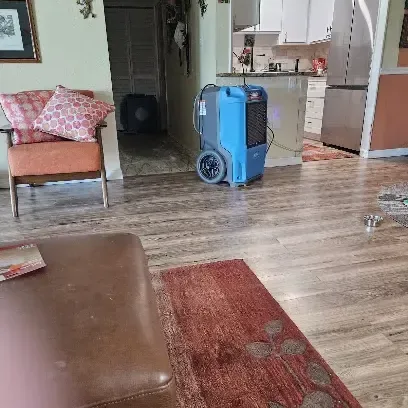
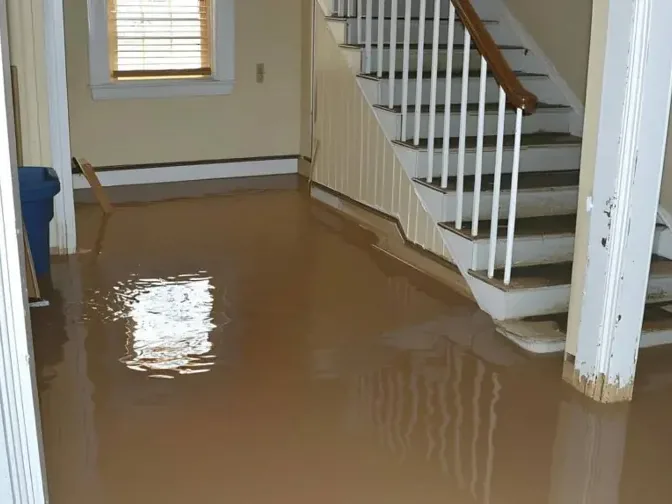
What a water damage dry-out looks like in Howell

Neighborhoods, townships and lake communities covered
In the city
Townships around the city
Lakes and small communities
Nearby cities and villages
ZIP codes
One call reaches Howell water damage pros, 24/7
The local restoration pros cover the whole area, from the historic blocks on Grand River Avenue and the Thompson Lake side to Lake Chemung and the farm roads north of the city. The address, the wet rooms and the water source decide the equipment that goes on the truck.
Water damage in Howell, MI: the local risk profile
The county seat sits in glacial lake country along I-96 between Lansing and Detroit, with a basement under most homes and long winters. Three patterns drive most water losses here.
Spring thaw, heavy rain and full sump pits
When frozen ground thaws under March and April rain, groundwater presses against basement walls and sump pumps cycle for days. Summer storms add more: the remnants of Hurricane Beryl brought a flood watch to Livingston County in July 2024, and a power cut stops any pump without a battery backup.
Frozen pipes and ice dams
Weeks of below-freezing nights split pipes in outside walls, garages, crawl spaces and empty lake cottages, and the leak often starts when they thaw. On the roof, snow melts and refreezes at the eaves, and the trapped meltwater backs up under the shingles into attic insulation and wall cavities.
Old downtown homes and maturing subdivisions
Houses from the late 1800s near downtown can still carry galvanized pipe, cast iron drains and stone or brick foundations. The subdivisions built from the 1990s on in Genoa, Oceola and Marion townships are reaching the age when water heaters, washer hoses and sump pumps wear out.
- Housing stock
- Queen Anne and Italianate homes near downtown, postwar houses and 1990s to 2000s subdivisions in the townships, most with basements
- Freeze season
- Overnight lows below freezing from late November through March
- Local waters
- Thompson Lake inside the city, Lake Chemung to the east and dozens of glacial lakes across the county
- Sewer and septic
- Township subdivisions joined municipal sewer and water in the 1990s; many rural lots still run on wells and septic
Water damage questions from local homeowners
How fast can a restoration crew get moving here?
Dispatch runs around the clock, and active water is treated as urgent. Thaw weeks and big storms load up every crew in Livingston County, so call as soon as the water is found.
Is water damage covered by insurance in Michigan?
A sudden and accidental discharge, such as a burst pipe, is usually a homeowners claim. Outside flood water falls under flood coverage, such as an NFIP policy, and a sewer or sump backup often needs a separate endorsement. Coverage depends on your policy, so it is worth checking with your own insurer.
What causes most water damage in local homes?
Sump pumps that fail or get overwhelmed, groundwater seeping into basements during the spring thaw, pipes that freeze in outside walls and garages, ice dams on roofs, water heaters and washer hoses in basements, and sewer or septic backups after heavy rain.
How long does drying a wet basement take?
A contained Class 1 or Class 2 loss usually dries in three to five days. Concrete, plaster, hardwood and soaked framing take longer. The drying team compares daily readings against a dry reference material in the same home and pulls equipment when the wet material lands within 2 to 4 points of it.
What is IICRC S500?
IICRC S500 is the industry standard for water damage restoration. It sets how water is categorized, how the class of loss decides the equipment, and what counts as dry.
What should I do while the water is still spreading?
If it is safe, close the main valve and switch off breakers for wet areas when the panel is dry. Stay out of a flooded basement with live outlets, photograph the damage before moving anything, lift boxes and rugs, then call.
What is the difference between mitigation and repair?
Mitigation stops the damage: extraction, removal of what cannot be saved and structural drying. Repair replaces drywall, flooring and cabinets once the structure reads dry.
When does basement drywall have to come out?
Drywall comes out when Category 3 water touched it, when the insulation behind it is soaked, or when readings will not come down. In a finished basement the crew usually cuts above the highest point the water wicked to so the wall cavity can dry.
Why is sewage cleanup handled differently?
Sewage is Category 3 the moment it happens. The mitigation team works in protective gear behind containment with HEPA air scrubbers, removes porous materials it touched and applies an EPA-registered antimicrobial before drying starts.
What should I do about a frozen pipe before it thaws?
Find the main shutoff first. If a pipe has split, close the main before the ice melts, then open a faucet and warm the pipe slowly without an open flame. The pipe freeze risk check helps spot other exposed pipes.
Water in the basement tonight? Get it pumped out and dried.
Water keeps wicking into drywall, framing and carpet pad until someone removes it. The extraction crew works day and night across the city, the townships and the lakes nearby.