Basement Flooding Cleanup in Howell, MI
A basement is where water ends up, whether it seeps through a wall, rises through a floor drain or spills from the sump pit. The restoration team pumps it out, opens what is soaked and dries the slab, walls and framing to a verified reading.
(888) 612-9219Basement flooding now? Get it pumped out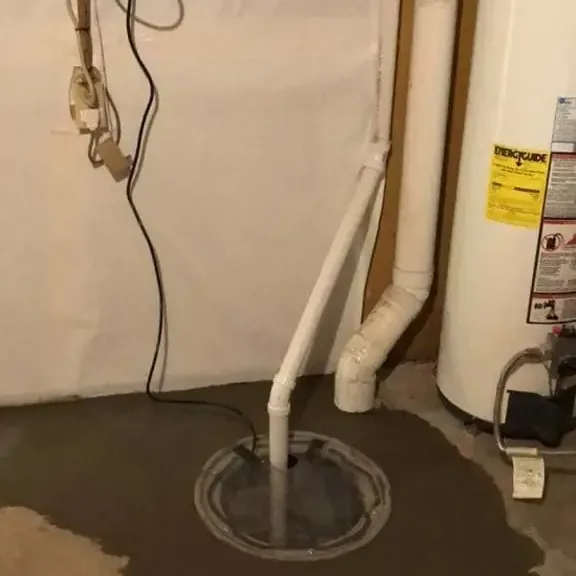
First steps for basement flooding cleanup in Howell
Stay safe
Keep out of standing water if outlets, cords or the furnace sit near it.
Cut the power
From a dry panel only, switch off the basement circuits.
Check the pit
Note whether the sump pump is running, silent or overwhelmed.
Save the papers
Move photos, documents and electronics upstairs, then photograph the rest.
How a basement flooding cleanup job is handled
Readings before equipment
The tech who does the walkthrough checks walls, floors and the basement slab with pinless meters and thermal imaging before a single fan is placed.
Dried to IICRC S500
The drying team follows IICRC S500, the industry drying standard, so framing and subfloor get structural drying, not a surface wipe.
A file the adjuster can follow
Moisture maps, daily logs and timestamped photos go into one claim file from the first visit to the last reading.
Built for Michigan winters
Frozen pipes, ice dams, snowmelt seepage and sump pumps that quit in a storm are routine work across Livingston County.
What does basement flooding cleanup cost in Howell, MI?
Basement flooding cleanup typically runs $3,000 to $8,000 for a finished basement with clean or gray water, and more when sewage is involved. The drivers are the depth and spread, finished versus unfinished space, the water category and how long the water sat.
Unfinished basement
$1,200 to $3,000
- Pump-out and extraction
- Slab and wall base dried
- Three to five days of equipment
Finished basement
$3,000 to $8,000
- Carpet pad and flood cuts
- Framing and insulation dried
- Four to seven days of drying
Sewage or flood water
$7,000 to $18,000+
- Category 3 removal
- Containment and HEPA air scrubbers
- Antimicrobial and full drying
Ranges are typical, not a quote: water category, wet square footage, material class and how fast drying started move the number most. Run the water damage cost calculator for a closer planning range.
The basement flooding cleanup process, start to dry
Four stops, run in this order, with a reading logged at each one.
- 1
Pump and extract
The extraction crew pumps out deep water, then extracts the carpet and the slab.
- 2
Map the moisture
Meters and thermal imaging show how far water wicked into walls and framing.
- 3
Open and remove
Pad comes out and flood cuts open the wet wall cavities.
- 4
Dry and verify
Dehumidifiers and air movers run until slab, walls and framing reach the goal.
Most homes in the area have a basement, and many are finished with carpet, drywall and a family room or bedroom. Water reaches it several ways: groundwater pushing through cracks and the cove joint where wall meets floor, window wells that fill in a downpour, a floor drain that backs up, or a sump pit that overflows. The source decides the water category, and the category decides what can be dried and what has to go.
How water gets into a basement
- Seepage at wall cracks and the cove joint when the spring thaw and rain raise groundwater.
- Window wells without covers that fill and leak around the frame.
- Floor drains that back up when the sewer or septic system is overloaded.
- A sump pump that fails, loses power or cannot keep up.
- A pipe, water heater or washer hose failing on the floor above.
How a flooded basement is cleaned up
The extraction crew pumps standing water first, with submersible pumps when it is deep and truck-mounted extraction for carpet. The tech who does the walkthrough then maps moisture in the slab, the foundation walls and the bottom of the framing.
In a finished basement, wet pad comes out, and drywall is cut above the highest point the water wicked to, a flood cut, so the wall cavity and insulation can be opened and dried. Drywall touched by sewage or outside flood water is removed rather than dried.
Drying concrete, block and framing
Concrete and block hold a lot of water and release it slowly, and a cool basement dries slower than the floors above. The drying team runs LGR dehumidifiers, often with heat or desiccant units, and air movers aimed at the slab and wall base until readings reach the drying goal.
The EPA moisture and mold guidance stresses drying wet materials within 24 to 48 hours, and Ready.gov flood safety covers when to stay out of a flooded basement. If the pit was the source, see sump pump failure water damage.
Basement Flooding Cleanup across Livingston County
The restoration crew covers ZIP codes 48843 and 48855: downtown along Grand River Avenue, the historic district, the Thompson Lake side and the subdivisions in Genoa, Oceola and Marion townships, out to Lake Chemung, Chilson and Oak Grove.
Related water damage services
Basement Flooding Cleanup questions in Howell, MI
Can a finished basement be saved after flooding?
Often the framing and much of the structure can, after clean or gray water. Carpet pad and the lower drywall usually come out so the wall cavities can dry. After sewage or outside flood water, porous finishes are removed.
What is a flood cut?
A horizontal cut in the drywall above the highest point the water wicked to. It opens the wall cavity so insulation can come out and the framing can dry.
Why does a basement flood in spring?
Thawing ground and spring rain raise groundwater, which presses on foundation walls and pushes water through cracks and the joint where the wall meets the floor. It is also when sump pumps work hardest.
How long does a basement take to dry?
A finished basement usually takes four to seven days. Concrete and block release water slowly, so the drying team keeps equipment running until readings reach the goal.
Is a flooded basement covered by insurance?
It depends on the source. A burst pipe is often covered, seepage and groundwater often are not, and sewer or sump backup usually needs an endorsement. Coverage depends on your policy, so it is worth checking with your own insurer.
Should fans go on before the crew arrives?
Moving boxes and opening the space is fine. Fans on standing water mostly spread humidity; the water has to be extracted first.
Water in the basement? Have it pumped out and dried.
Water at the bottom of the house keeps wicking up drywall and framing until it is removed. The extraction crew works around the clock across the county.