Burst Pipe Water Damage in Howell, MI
A failed supply pipe can push hundreds of gallons into a house before the main is closed. The extraction crew removes the water, the tech who does the walkthrough traces it through walls and ceilings, and the drying team dries the framing to a verified reading.
(888) 612-9219Pipe burst inside a wall? Call now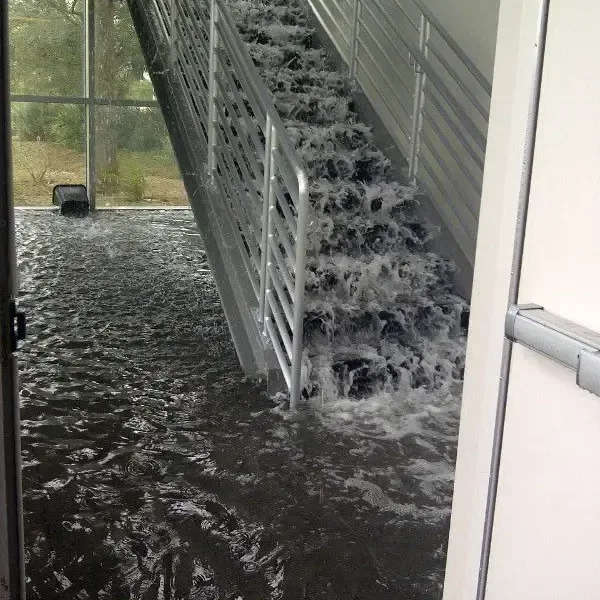
First steps for burst pipe water damage in Howell
Close the main
Shut the main valve and open a low faucet to drain the pipes.
Watch the ceiling
A bulging ceiling holds water; stay out from under it.
Shut off power
Switch off circuits where water reached lights or outlets, from a dry panel.
Document it
Photograph the failed pipe, the ceilings and the floors.
How a burst pipe water damage job is handled
Readings before equipment
The tech who does the walkthrough checks walls, floors and the basement slab with pinless meters and thermal imaging before a single fan is placed.
Dried to IICRC S500
The drying team follows IICRC S500, the industry drying standard, so framing and subfloor get structural drying, not a surface wipe.
A file the adjuster can follow
Moisture maps, daily logs and timestamped photos go into one claim file from the first visit to the last reading.
Built for Michigan winters
Frozen pipes, ice dams, snowmelt seepage and sump pumps that quit in a storm are routine work across Livingston County.
What does burst pipe water damage cost in Howell, MI?
Burst pipe water damage typically runs $1,500 to $8,000 for mitigation, not counting the plumbing repair. The drivers are the gallons released, how many floors the water crossed, ceiling and wall removal and how quickly drying started.
One room, found fast
$1,000 to $2,800
- Extraction and spot removal
- Air movers and a dehumidifier
- Three to four days of drying
Ceiling and floor below
$2,800 to $8,000
- Ceiling drywall opened
- Two levels dried
- Four to six days of drying
Multi-floor or late discovery
$8,000 to $20,000+
- Several rooms and the basement
- Flooring and insulation removed
- Full structural drying
Ranges are typical, not a quote: water category, wet square footage, material class and how fast drying started move the number most. Run the water damage cost calculator for a closer planning range.
The burst pipe water damage process, start to dry
Four stops, run in this order, with a reading logged at each one.
- 1
Trace the leak path
Meters and thermal imaging follow the water from the pipe down through each level.
- 2
Extract and drain
Standing water is pulled and water-heavy ceilings are opened safely.
- 3
Remove what will not dry
Soaked insulation, pad and failed drywall are removed.
- 4
Dry and confirm
Cavity drying and dehumidifiers run until the framing reaches the goal.
Not every burst pipe is a frozen one. Older homes near downtown can still have galvanized steel that rusts from the inside, copper from the middle of the last century develops pinholes, and newer PEX fails at fittings and crimp rings. A failure on the first or second floor sends water down through the ceiling and into the basement, so one burst often means three levels of damage.
Signs of a hidden pipe leak
- A ceiling stain that keeps growing.
- Paint bubbling or drywall going soft.
- A musty smell in one room.
- A water meter that moves with every fixture off.
- Water pooling on the basement floor under a bathroom.
How the water damage is handled
After a plumber repairs the pipe, the tech who does the walkthrough follows the water with thermal imaging and pinless meters, from the failure point down through each floor. The extraction crew removes standing water, and ceilings that hold water are opened at a low point so it drains safely.
Supply water is clean at the start, but it degrades as it sits in cavities and carpet, so speed keeps the job in Category 1 and keeps more material in place. The drying team uses air movers, LGR dehumidifiers and cavity drying for walls and ceilings.
Preventing the next one
Know where the main shutoff is and test it once a year. In an older house, ask a plumber about replacing galvanized pipe. The EPA WaterSense leak checks explain how to read the meter for hidden leaks, and the EPA moisture guidance covers why fast drying matters. For a winter split, see frozen pipe water damage.
Burst Pipe Water Damage across Livingston County
The restoration crew covers ZIP codes 48843 and 48855: downtown along Grand River Avenue, the historic district, the Thompson Lake side and the subdivisions in Genoa, Oceola and Marion townships, out to Lake Chemung, Chilson and Oak Grove.
Related water damage services
Burst Pipe Water Damage questions in Howell, MI
How much water can a burst pipe release?
A broken supply pipe can release several gallons a minute, so a failure that runs for an hour can soak multiple rooms and the basement below.
Why is the ceiling below wet but not the floor above?
Water runs through the floor system and collects on top of the ceiling drywall. That is why ceilings below bathrooms and kitchens often show the damage first.
Can wet ceiling drywall be dried in place?
Sometimes, when it is still firm and the water was clean. Sagging drywall, or soaked insulation above it, comes down.
Are older galvanized pipes a risk?
Yes. Galvanized steel corrodes from the inside over decades, which narrows the pipe and eventually causes leaks, especially in houses built before the 1960s.
Is burst pipe damage covered by insurance?
A sudden and accidental burst is usually covered; a slow leak over months often is not. Coverage depends on your policy, so it is worth checking with your own insurer.
How long does drying take after a burst pipe?
A contained loss often dries in three to five days. Ceilings, hardwood and multiple floors take longer, and equipment stays until readings say dry.
Pipe burst? Get the water traced and dried.
Water from a burst pipe moves through ceilings and walls until it is found. The restoration team works around the clock across the county.