Water Damage Cleanup and Drying in Holly
Crews dispatch around the clock for flooded floors, burst pipes, storm water and sewage in the Village of Holly, then dry the structure until the readings match a dry reference.
(888) 612-9219Call a village crew now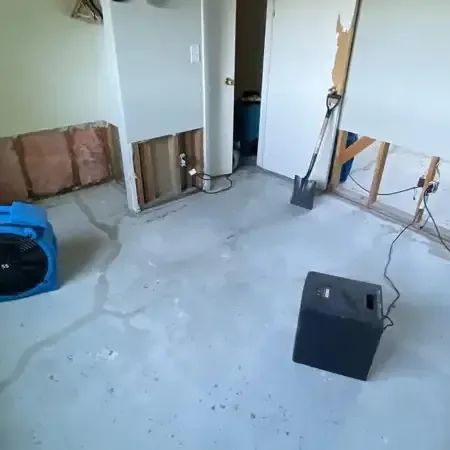
Steps to take while water is still spreading
Water keeps traveling through floors, walls and ceilings until someone stops it, so what happens before the crew arrives shapes the whole repair.
- 1
Stop the source
Close the main valve or the appliance valve when a pipe is feeding the flood, then cut power to the wet rooms from a dry spot.
- 2
Make the room safe
Stay out of standing water near outlets and cords, and keep children and pets clear until the power is off.
- 3
Photograph the damage
Take wide and close photos of the wet area, the source and damaged belongings before anything is moved or thrown out.
- 4
Treat unknown water as dirty
Water from a toilet, a floor drain or a flooded yard should be handled in boots and gloves, never barehanded.
- 5
Call, then call the insurer
Phone the crew first so drying can begin, then report the loss to the insurance company with the photos in hand.
Water problems the crews handle
Every service below follows the same drying standard, whether the water came from a split pipe, a stormy week, a failed appliance or a downtown storefront.
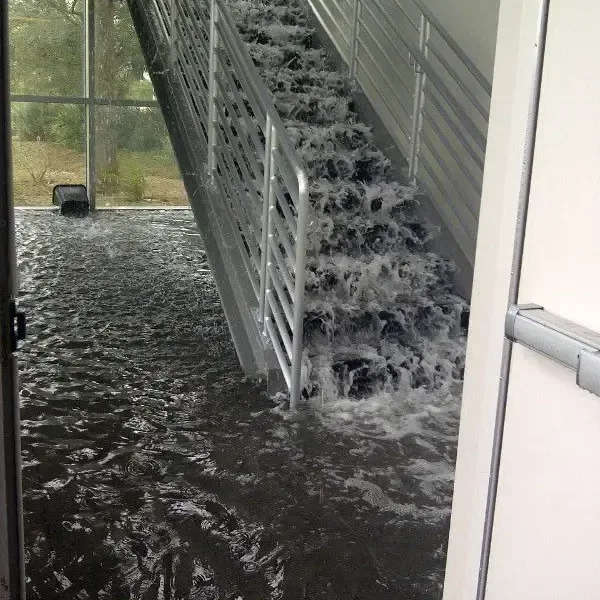
 April 2026 flooding and emergencyStorm and Snowmelt Flood CleanupHeavy rain and snowmelt that enter a building are handled as contaminated water from start to finish.Check what applies in the village
  Pressure changes and main breaksBurst Pipe Water DamageA pressurized supply break can soak several rooms fast, and the crew traces the wet paths first.Check what applies in the village
 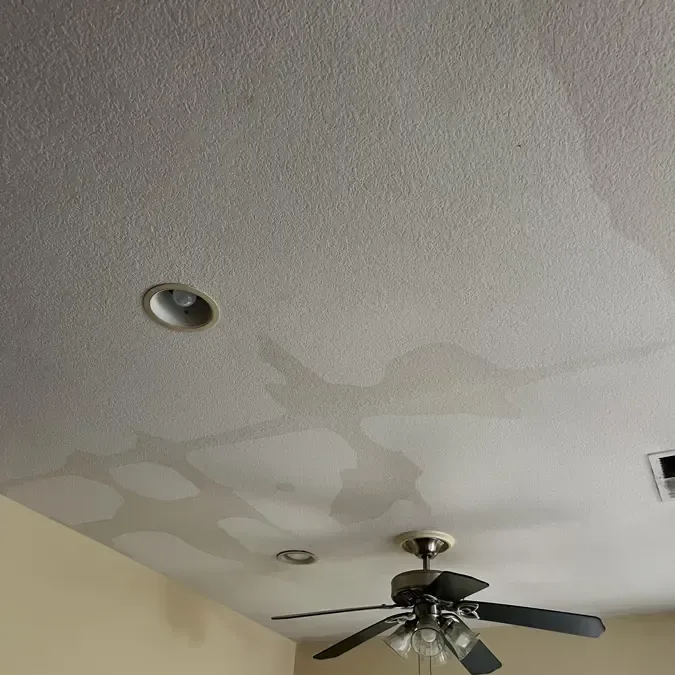 Tornado and wind damageRoof Leak Water DamageLifted shingles and failed flashing let rain into attics and ceilings, which are dried out.Check what applies in the village
  Water Extraction and RemovalTruck-mounted and portable pumps pull standing water out first, before it soaks into subfloors.See how it plays out here
 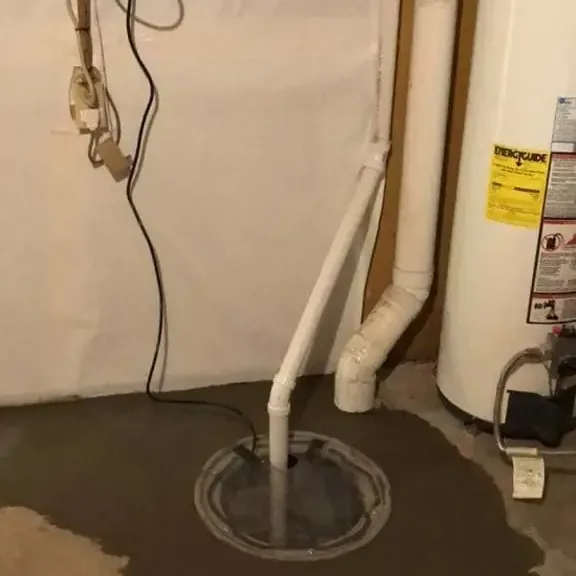 Basement Flooding CleanupRising water in a lower level is pumped out, wet materials are sorted and the structure is dried.See how it plays out here
 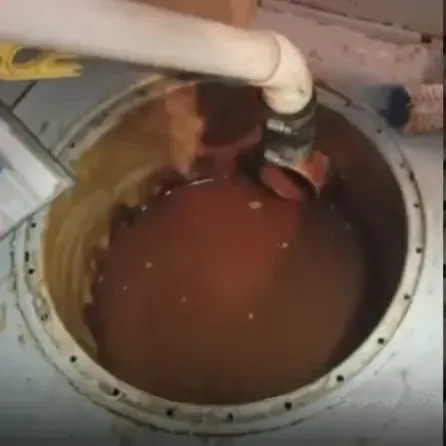 Sump Pump Failure Water DamageWhen a pump quits in heavy rain, the crew removes the overflow and dries every surface touched.See how it plays out here
 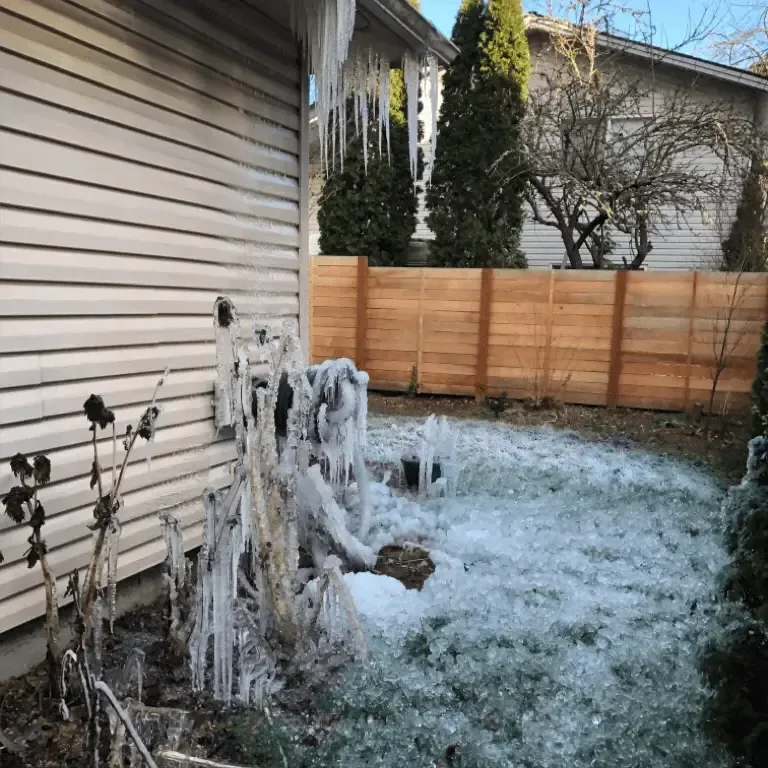 Frozen Pipe Water DamageA pipe split by a cold snap leaks hardest at the thaw, so crews open the wall and dry it.See how it plays out here
 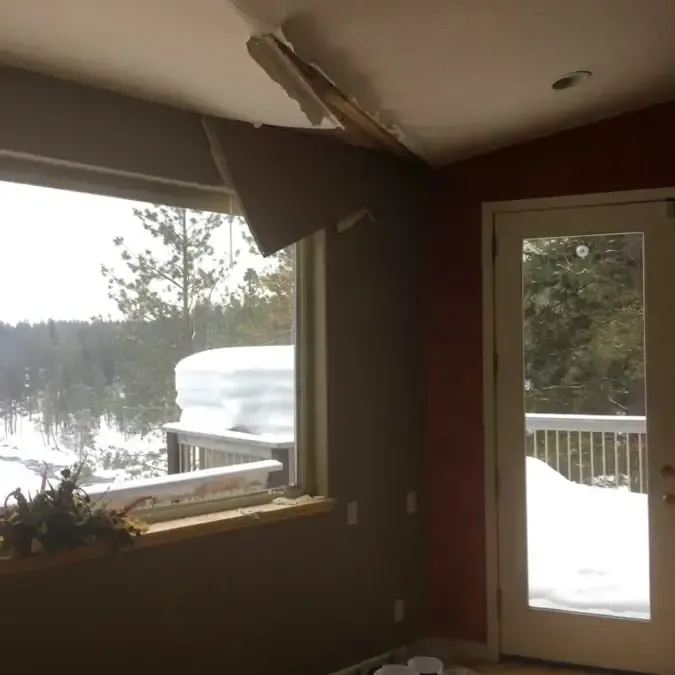 Ice Dam Water DamageMeltwater trapped under winter roof edges soaks ceilings and insulation, which crews open and dry.See how it plays out here
 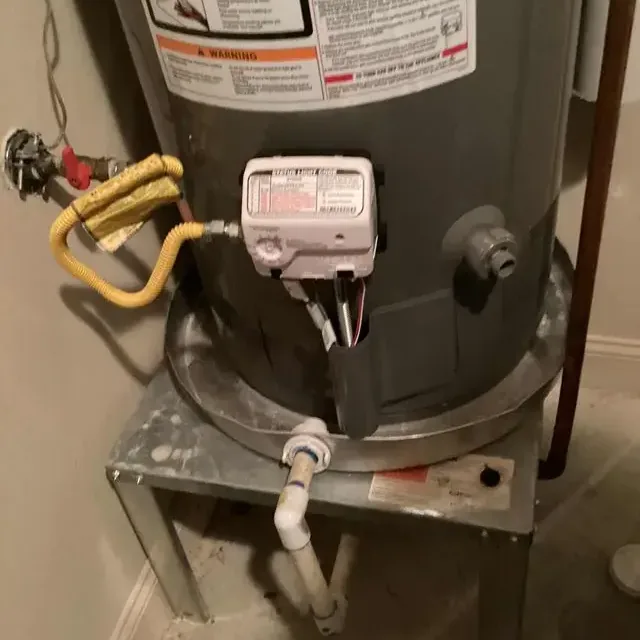 Water Heater Leak CleanupA tank that fails or drips for days wets floors and nearby walls, so the crew extracts and dries.See how it plays out here
 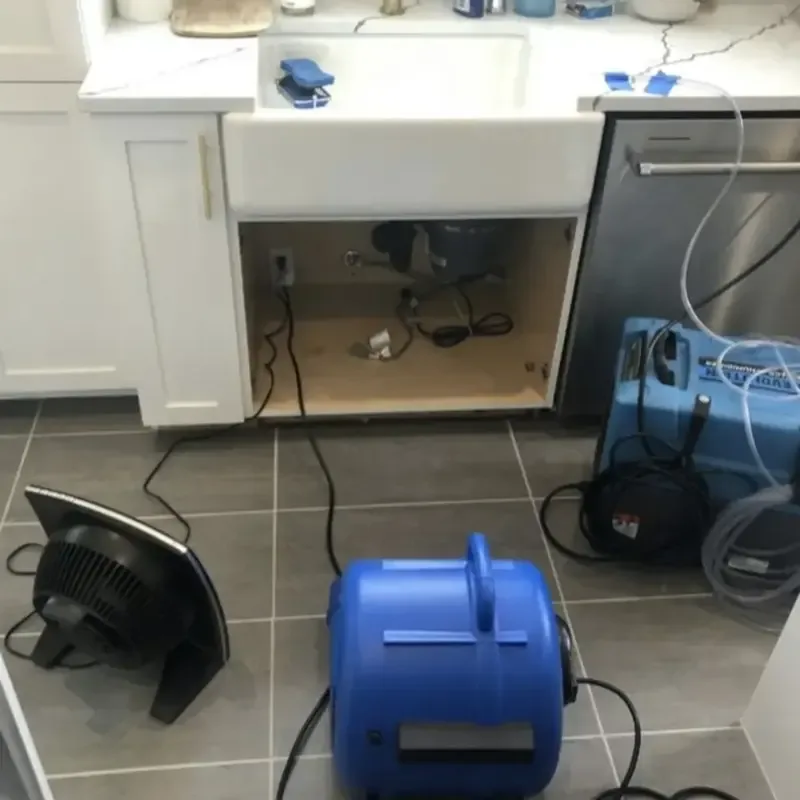 Appliance and Supply Hose LeaksWashers, dishwashers and supply hoses can leak into cabinets and the unit below, so crews trace and dry.See how it plays out here
 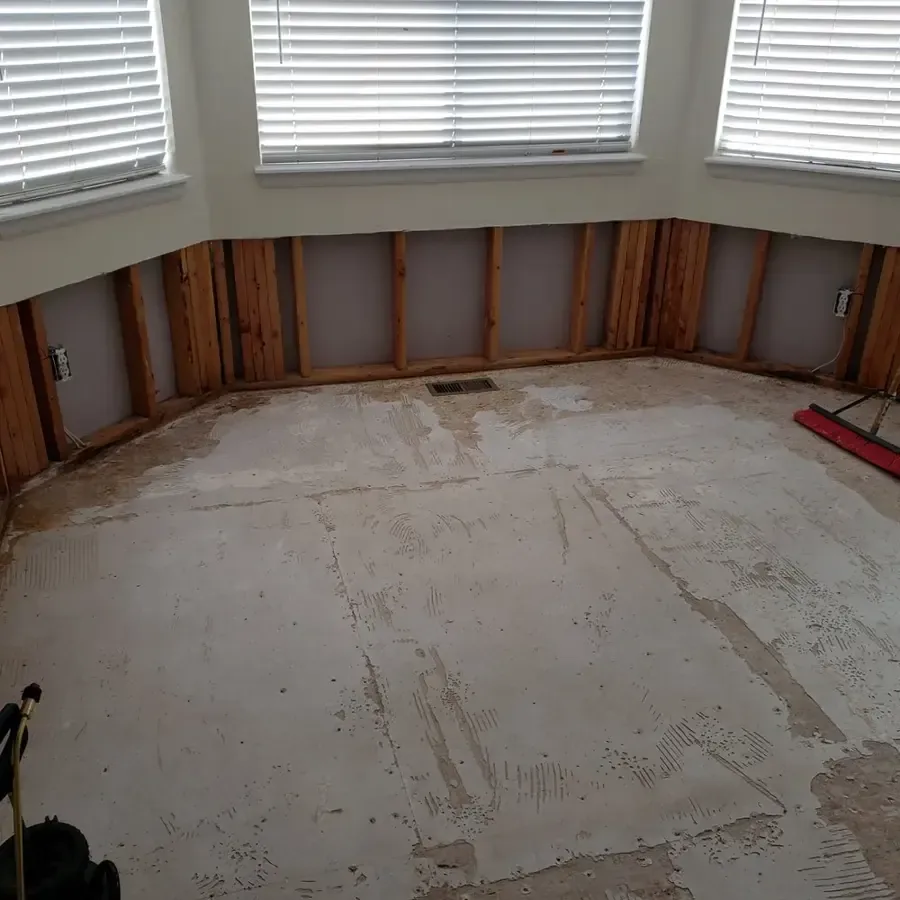 Sewage and Septic Backup CleanupSewage is a contaminated loss, so crews contain the area, remove materials, sanitize and dry.See how it plays out here
 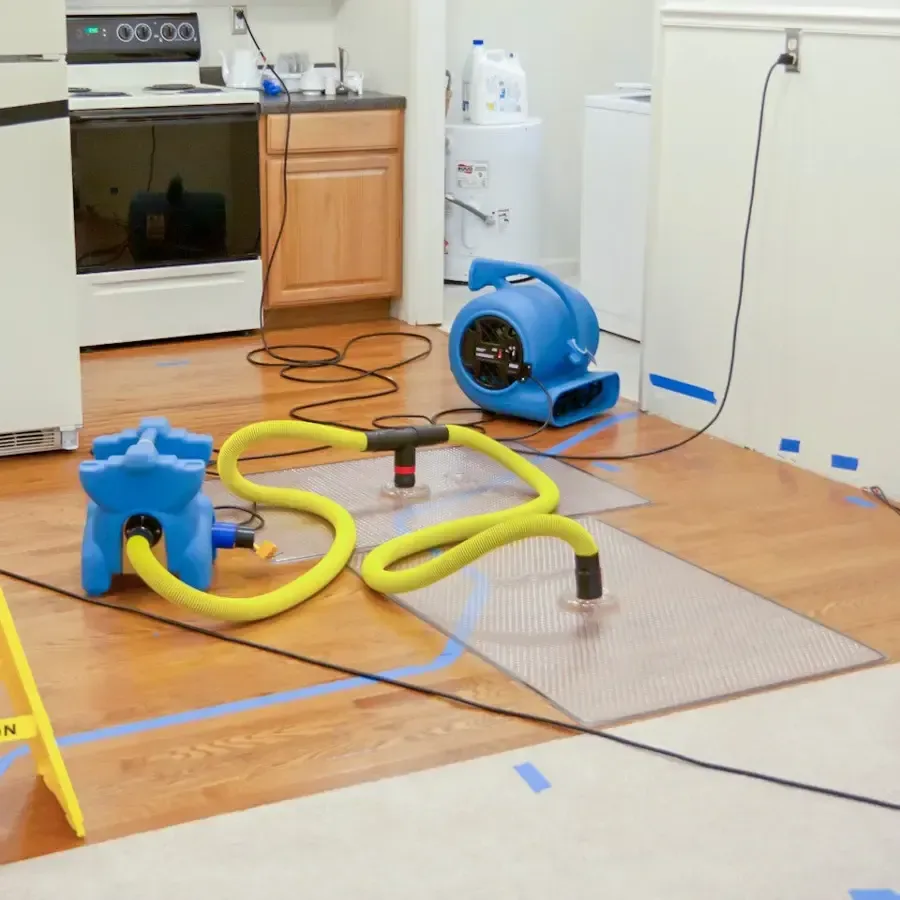 Structural Drying and DehumidificationMeters, thermal imaging, air movers and dehumidifiers dry framing, floors and hidden cavities.See how it plays out here
 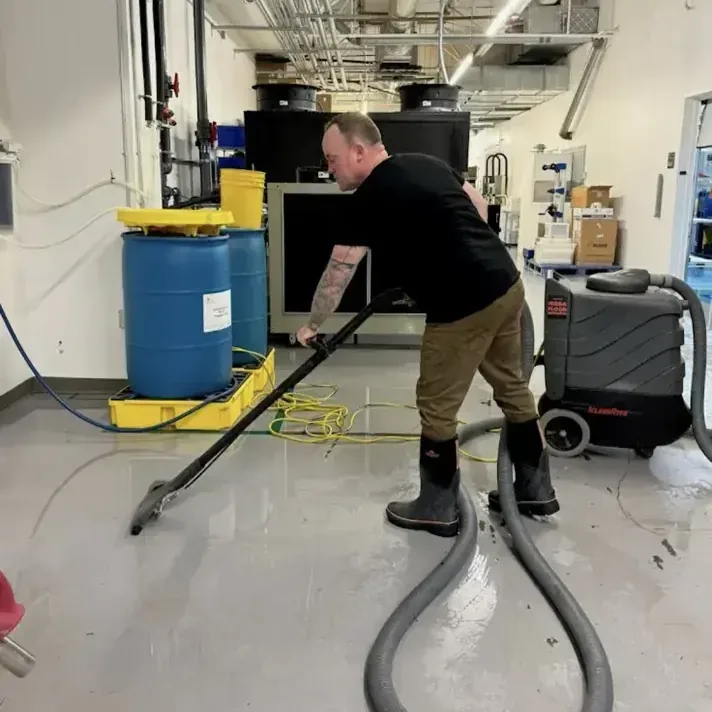 Commercial Water DamageShops, offices and older downtown buildings get phased drying plans that keep business moving.See how it plays out here
 What the crews bring to the job
Rapid local response
Dispatch runs day and night, and a crew arrives with pumps, air movers and meters so the drying plan starts at the door.
Drying to IICRC S500
Technicians follow the IICRC S500 drying standard, so moisture targets and daily readings come from an accepted method, not guesswork.
Claim-ready documentation
Photos, moisture maps and equipment logs are collected on every visit, giving the insurance company a clear record of what was wet.
Local water know-how
The crews know that heavy rain, tornado winds and water main breaks have all hit the Holly area, and they plan for how those losses unfold.
How a wet structure gets back to dry
Every job follows the same five stops, from the first moisture map to the final reading, so no property is left half dry.
- 1
Find where it went
A moisture meter and a thermal camera trace water through floors, walls and ceilings, including spots that still look dry.
- 2
Pull out the standing water
Truck-mounted or portable extractors remove what sits on the surface, because every gallon left behind must be dried the slow way.
- 3
Remove what cannot dry
Saturated pad, wet insulation and soaked drywall are cut out and bagged when drying them in place would not work.
- 4
Read the meters daily
Air movers and dehumidifiers run while technicians record readings at each visit and adjust the equipment as the structure dries.
- 5
Confirm dry, then close out
Final readings are compared with an unaffected reference area, and the equipment leaves only when the numbers match.
Clean, gray and black water need different handling
Water is sorted by contamination level before any work begins, because the category decides what can be dried and what must be removed.
Clean water
Comes from a supply pipe, a tank or a faucet. It dries most easily, but it turns gray if the materials stay wet for long.
Gray water
Comes from a washer, a dishwasher or a drain that is not sewage. Some porous materials are replaced instead of dried.
Black water
Comes from sewage or floodwater. Carpet, pad and drywall it touched are removed, and the area is sanitized before drying.
Sewage backup cleanup detailsHow many days a wet property needs to dry
Most structures need three to ten days, depending on the material, how much water spread and the conditions indoors, and dense materials such as concrete, hardwood and plaster take the longest.
Dry means matching the reference readings The target is not a date on the calendar but the moisture level of an unaffected part of the same building, measured with the same meter.
What does water damage restoration cost in Holly, MI?
Most jobs land between $1,200 and $20,000 or more, depending on how far the water spread, what it touched, how long it sat and how long the structure takes to dry.
Small and caught early
$1,200 to $3,500
- One or two rooms affected
- Extraction and spot drying
- Short equipment stay on site
Several rooms or a lower level
$3,500 to $8,000
- Wet materials removed and bagged
- Dehumidifiers and air movers
- Daily meter readings logged
Widespread, late or contaminated
$8,000 to $20,000+
- Several rooms and levels
- Heavy material removal
- Containment and air scrubbing
These ranges are typical for the region, and a written scope after the first inspection sets the real figure for each property.
Records that help a claim
Insurance companies decide claims from evidence, so the crew records the source, the affected rooms and every material removed before anything is thrown away.
Moisture readings and equipment logs from each visit are shared with the property owner and the insurer, which keeps the whole story of the loss in one place. The insurer makes the final decision.
What a claim file usually holds
- The date and cause of the loss
- Photos taken before cleanup
- Moisture maps and daily readings
- A list of removed materials and equipment used
- Receipts for any emergency repairs
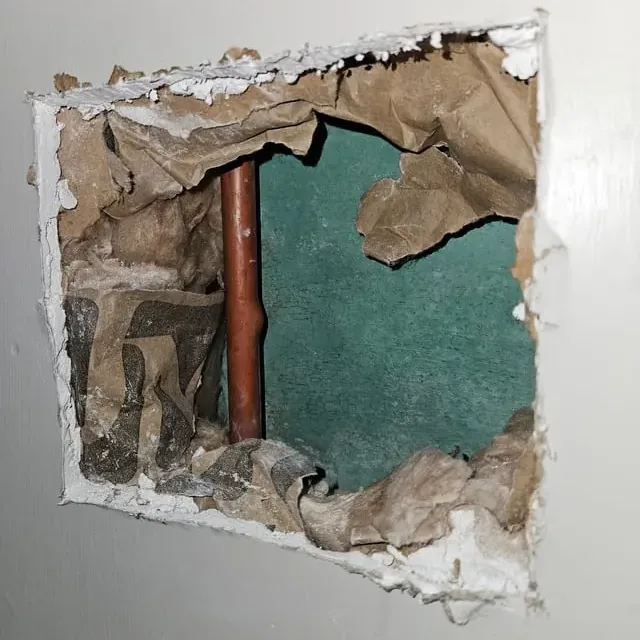
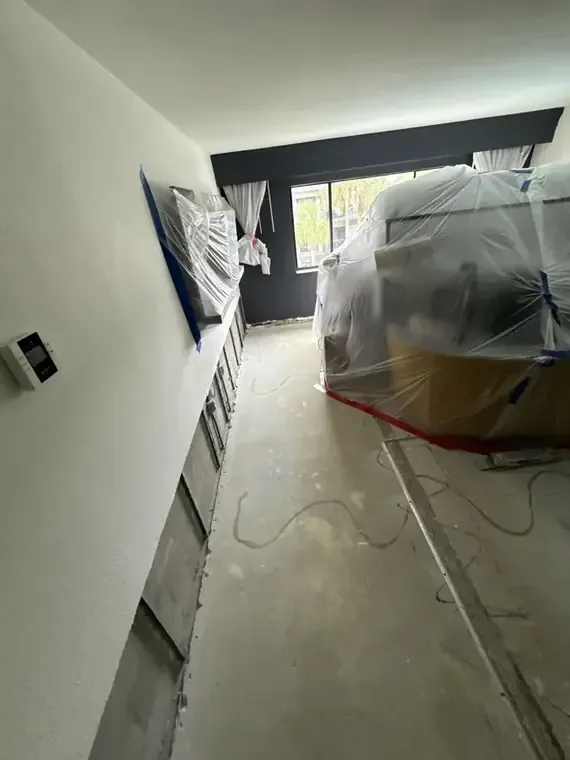
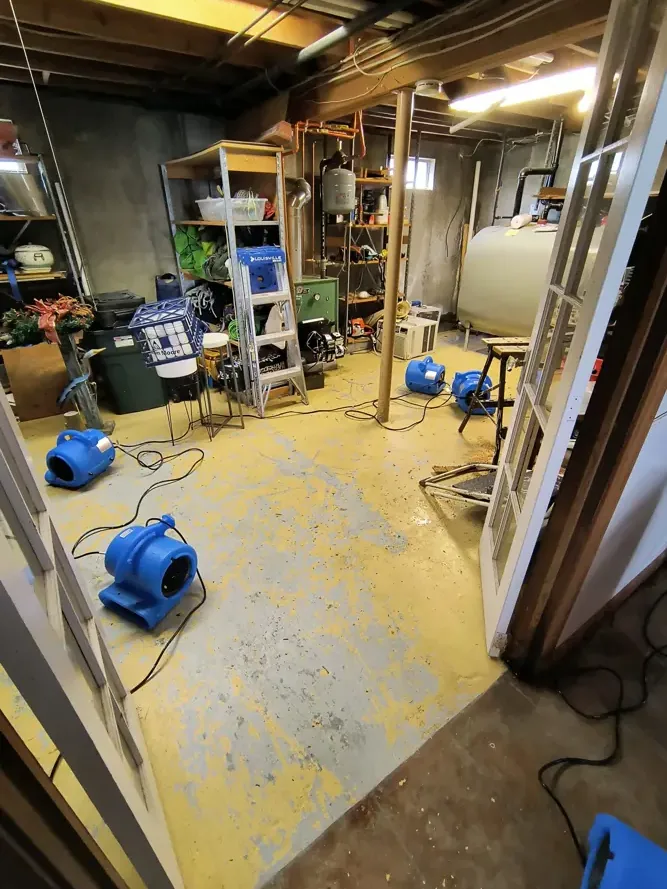
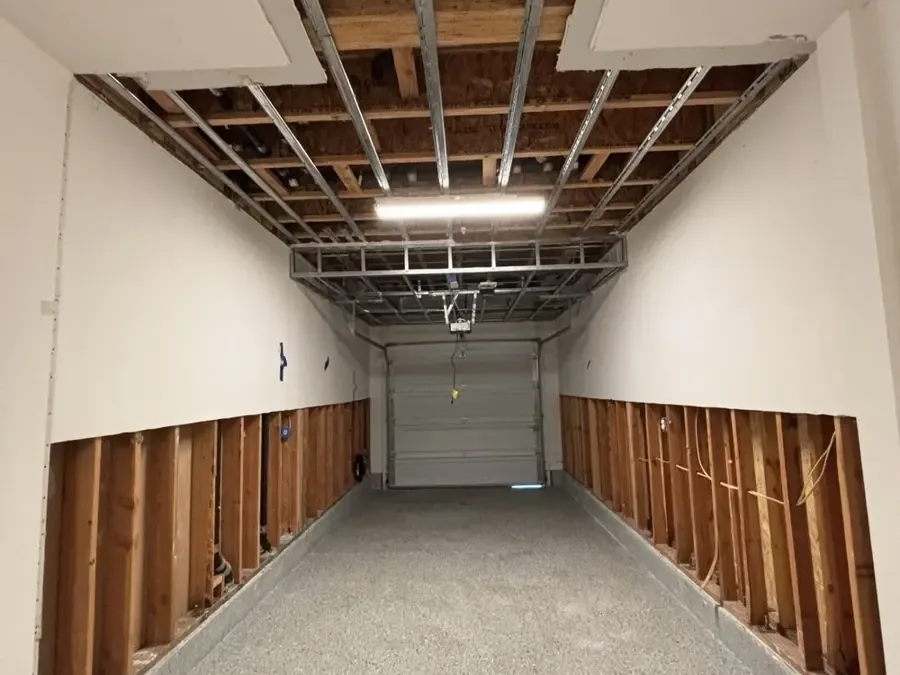
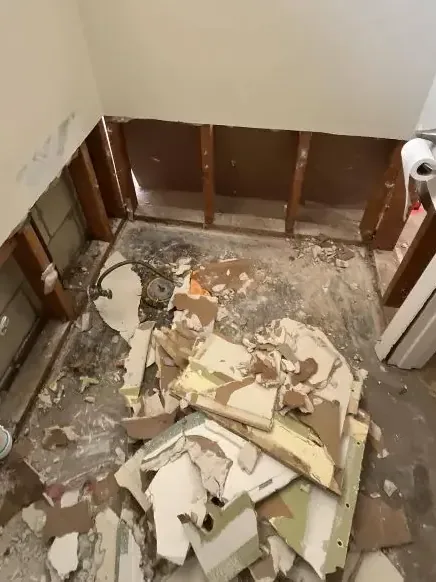
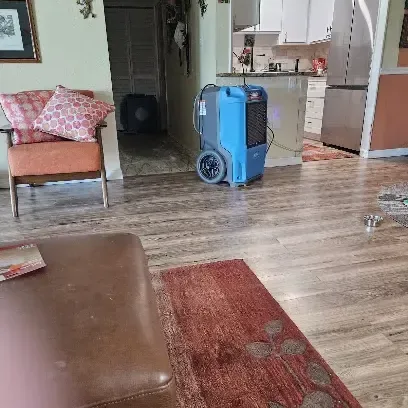
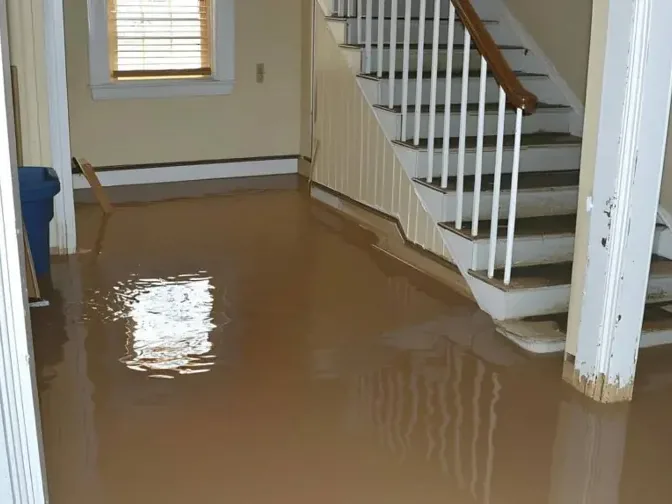
Water damage cleanup work in progress

Where crews work in and around Holly
Downtown and midtown
Village streets
Parks and the pond
Also close by
ZIP code
One call reaches Holly water damage pros, 24/7
A single call reaches a dispatcher who logs what happened, sends a crew with extractors, air movers and moisture meters, and keeps the insurance paperwork organized from the first visit. Nights, weekends and holidays are covered the same way, and no job is too small to phone in.
What puts Holly buildings at risk of water damage
Holly sits in north Oakland County, and its recent record includes a damaging tornado, a flood season that stressed the wastewater system, and water main breaks in 2026.
April 2026 flooding
Heavy rain on April 4, 2026 flooded North Holly Road in the Holly area, and repeated rains that month pushed the village wastewater system past 5 million gallons per day. The Village of Holly declared a local state of emergency on April 21, and the governor extended the state declaration in late April.
Tornado and wind damage
An EF-0 tornado crossed the village on November 10, 2024, with estimated winds of 70 mph, stripping roofing material from several facilities and damaging siding and fascia along streets such as Saginaw Street and Church Street.
Water mains and shifting pressure
A water main broke on Marion Drive on July 20, 2026, and a high-pressure main broke on Quick Road on August 1. In 2019 the utilities director also noted that new homes add water to long-dry pipes, and pressure changes can cause breaks.
- Housing stock
- About 2,864 housing units, a median build year near 1978, and 643 units built in 1939 or earlier.
- Village water
- The village runs its own water system through its Department of Public Works, with 4 wells and 3 water towers.
- Local waters
- The Shiawassee River Heritage Water Trail starts at WaterWorks Park, and the Mill Pond area is one of the named districts.
- Wastewater
- The village operates its own wastewater treatment plant, and in 2019 its utilities director put the lift stations at 13.
Water damage questions from Holly property owners
What should happen first when water starts spreading?
Stop the source if it is safe, cut power to wet rooms from a dry spot, photograph the damage and call a crew. Drying equipment can only start once the water is no longer flowing.
How does floodwater change the cleanup?
Floodwater and wastewater are treated as contaminated, so porous materials such as carpet, pad and drywall that they touched are usually removed rather than dried, and hard surfaces are cleaned and treated before drying starts.
Can a water main break damage a building?
Water mains broke on Marion Drive in July 2026 and on Quick Road in August. A public main is a utility repair, but if water or a pressure problem shows up indoors, a crew can trace the source and dry the damage.
Does plumbing work after a leak need a permit?
The Village of Holly website posts the State of Michigan plumbing permit application, which says plumbing work must follow the Michigan Plumbing Code and cannot start until the application is filed with the Bureau of Construction Codes. A plumber can say which permit applies.
Does a building's age change how it dries?
Yes. Housing here ranges from 643 units built in 1939 or earlier to 92 built in 2020 or later, and downtown keeps brick buildings that replaced wooden ones after 1875. Older plaster, wood and masonry dry more slowly than newer drywall.
How long does drying usually take?
Most jobs take three to ten days, depending on the material and how much water spread. Drywall and framing finish first, while hardwood, plaster and concrete need more time. Daily readings show when the structure is dry.
What if the leak came from a neighbor's unit?
Water travels through shared floors and walls. The village has 755 renter-occupied homes and 229 units in buildings of 50 or more units, so one leak upstairs can reach several households. The crew documents each affected unit separately.
Can wind or tornado damage lead to water damage?
Yes. The November 10, 2024 tornado took roofing material off several facilities, and missing shingles or torn flashing let rain into attics and ceilings long after the wind is gone. Wet insulation and drywall then need drying.
Does a 48442 mailing address always mean the village?
No. ZIP 48442 also covers Holly Township offices, and the township is a separate government. A caller should confirm whether a street is inside the village before asking about village utilities.
What does the crew record for an insurance claim?
Photos of the damage, moisture readings, a map of wet materials, equipment logs and a list of what was removed. The paperwork goes to the property owner, who decides what to send the insurer.
Water in the house? Call now and get a crew moving
Standing water, a wet ceiling or a failed pump will not dry itself, and an early call usually means less of the building has to be replaced.