Water Damage Restoration in South Lyon, MI
Homes and shops in South Lyon get truck-mounted extraction, mapped moisture and daily drying readings, so a burst pipe or a backed-up drain does not turn into a bigger repair.
(888) 612-9219Call for pumps and dryers now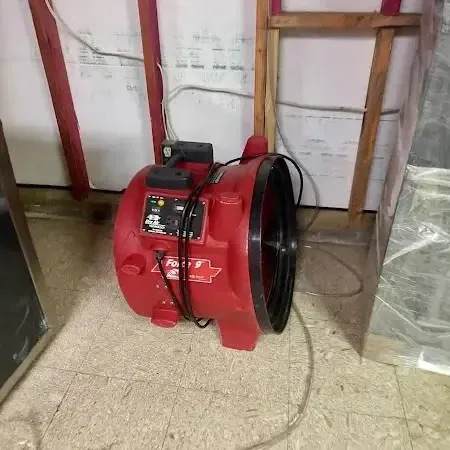
Before the crew arrives, these steps limit the damage
Water spreads into framing and flooring fast. A few careful actions at the start keep the loss small and make the later claim far easier to document.
- 1
Stop the source
Shut the main valve or the fixture shutoff. If the water came from a storm or a drain, keep everyone out of the wet area.
- 2
Cut power to wet rooms
Switch off breakers that feed wet outlets and fixtures. Never step into standing water near a panel, a cord or a plugged-in appliance.
- 3
Photograph everything
Take wide and close photos of the damage, the source and damaged belongings before anything is moved. Dated images help the claim.
- 4
Lift what you can
Move small furniture, rugs and electronics to dry ground. Leave heavy pieces and soaked carpet for the crew, since lifting wet material can hurt or tear it.
- 5
Call for extraction
Phone a crew right away. Drying that starts early protects hardwood, trim and framing, and shortens the repair.
Thirteen water damage services for local properties
From a failed supply pipe to a stormy night, each service below has its own page covering the process, price range and what the crew checks.
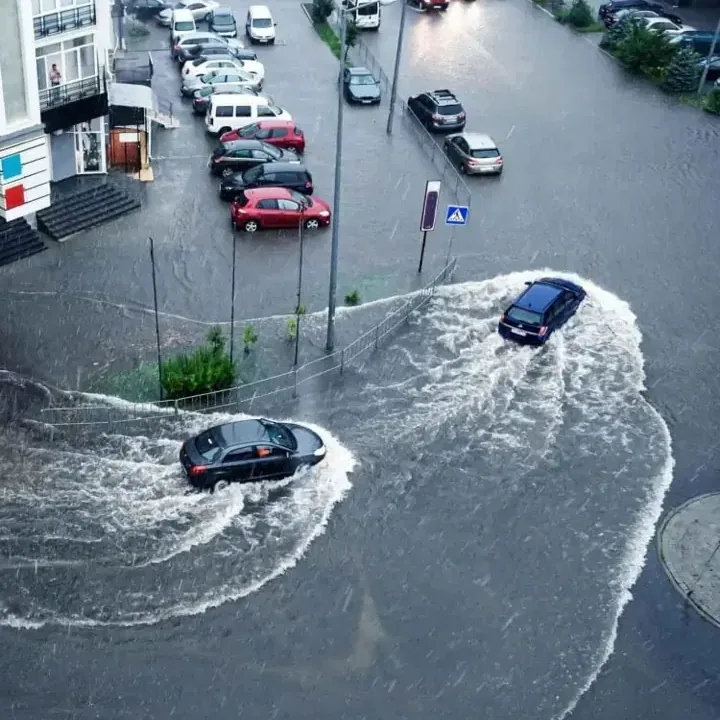 Pontiac Trail drain rebuildStorm and Snowmelt Flood CleanupHeavy rain and snowmelt bring mud and runoff indoors. Extraction, flood cuts and antimicrobial treatment follow.Cost, steps and local notes
 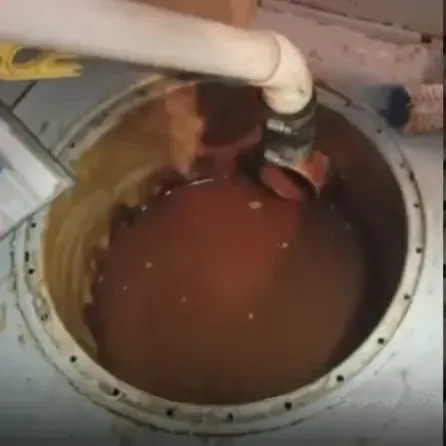 Permit rule for pump drainsSump Pump Failure Water DamageA failed pump lets water rise fast. The crew clears it and dries what got wet.Cost, steps and local notes
  City treatment plantSewage and Septic Backup CleanupContaminated water gets sealed off, removed and disinfected, with porous materials discarded and the space dried.Cost, steps and local notes
  Water Extraction and RemovalTruck-mounted and portable pumps pull standing water from floors, carpet and cavities before it reaches framing.Steps and cost range
 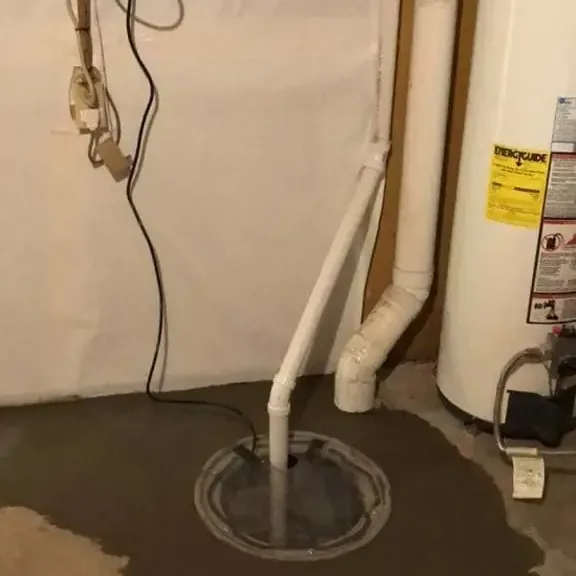 Basement Flooding CleanupPump-out, wet pad removal and drying for a flooded lower level, whatever caused it.Steps and cost range
 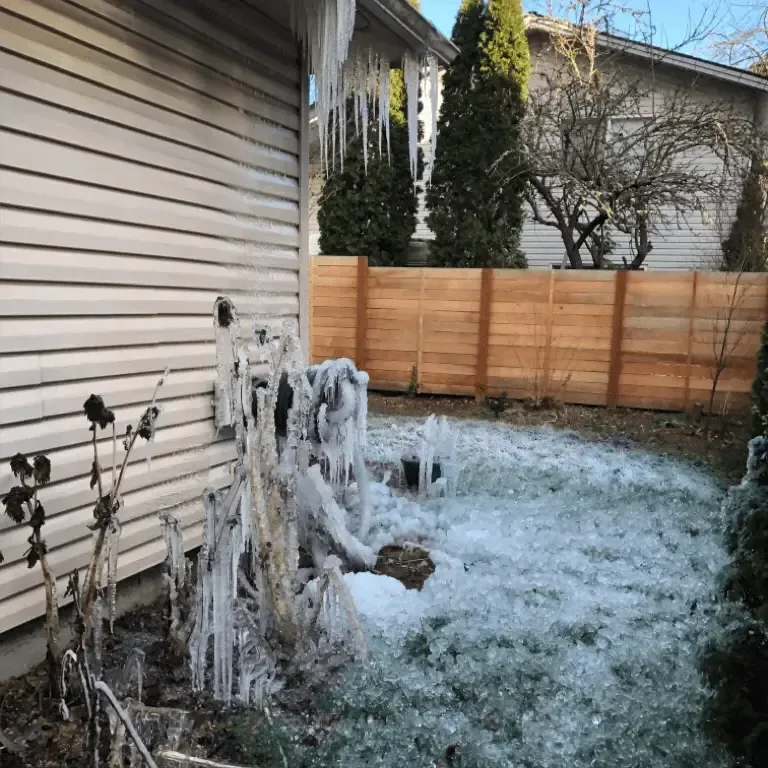 Frozen Pipe Water DamageThawed pipes leak behind walls. Moisture mapping finds the wet cavities so only damaged material comes out.Steps and cost range
 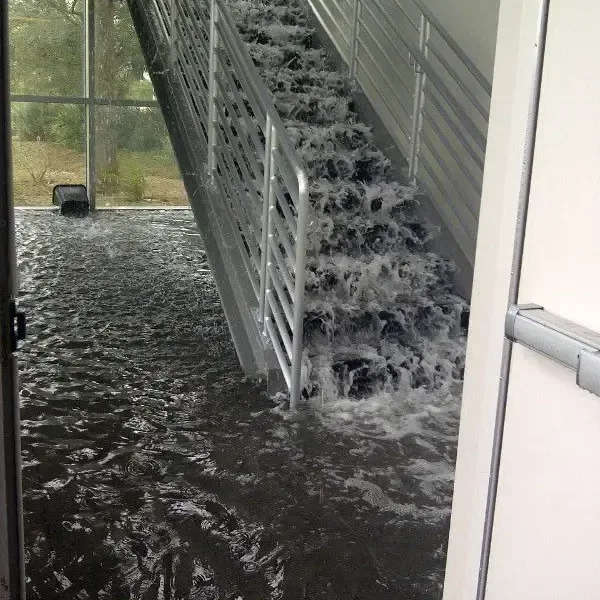 Burst Pipe Water DamageA split supply pipe floods fast. Extraction and drying start once the water is shut off.Steps and cost range
 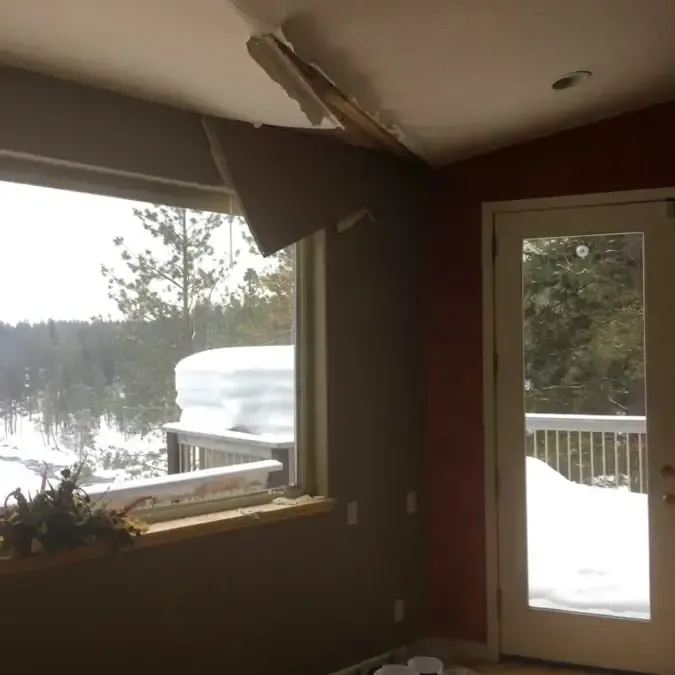 Ice Dam Water DamageMeltwater backed under shingles stains ceilings and soaks insulation. The crew opens and dries the affected areas.Steps and cost range
 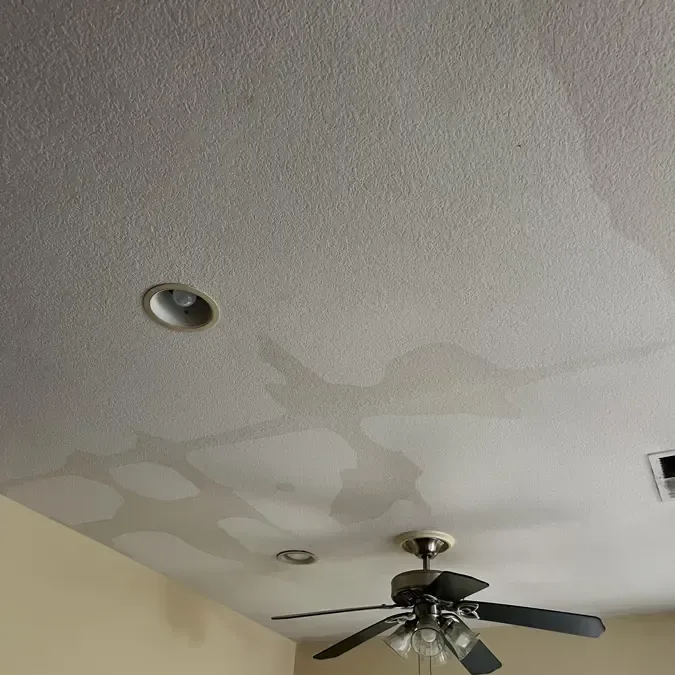 Roof Leak Water DamageWind-driven rain gets past flashing and shingles. Wet ceilings and attic insulation are dried or removed.Steps and cost range
 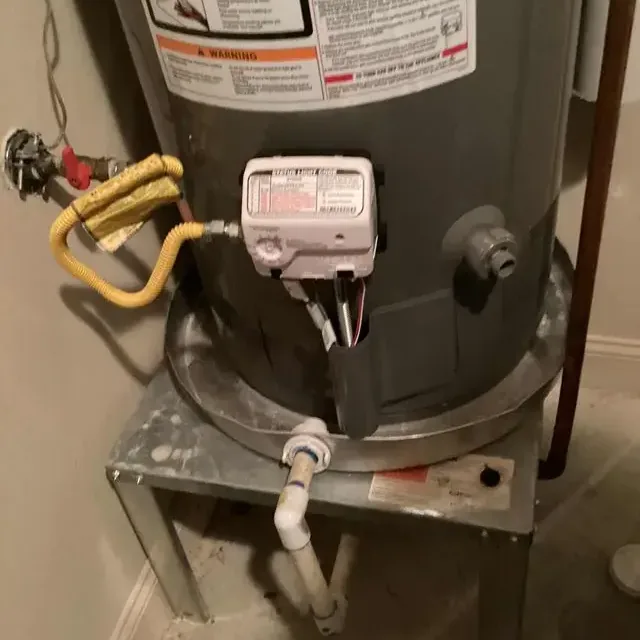 Water Heater Leak CleanupA failed tank floods a utility area quickly. Water comes out and wet drywall is cut back.Steps and cost range
 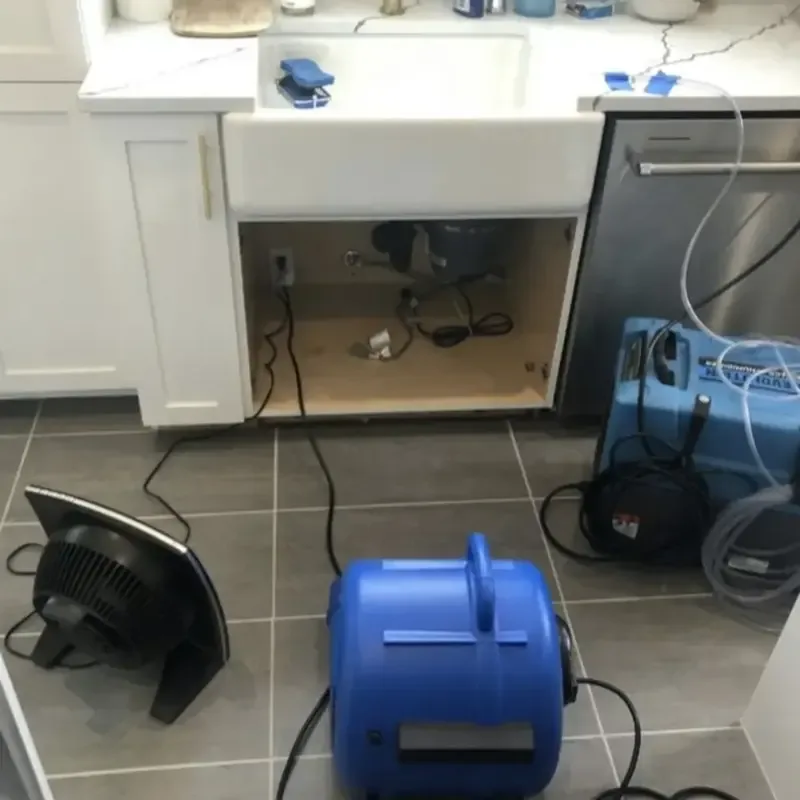 Appliance and Supply Hose LeaksDishwashers, washers and supply hoses leak under floors and into neighboring units. Hidden moisture gets traced and dried.Steps and cost range
 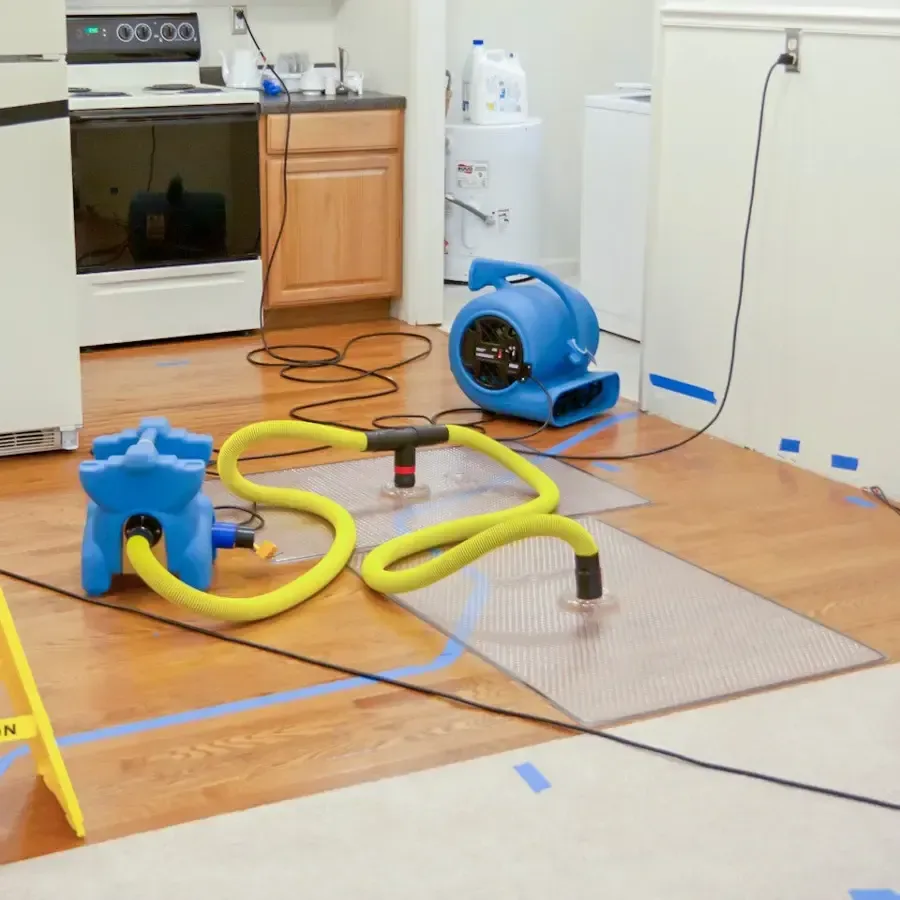 Structural Drying and DehumidificationAir movers, dehumidifiers and daily readings bring wet framing and subfloors back to a dry standard.Steps and cost range
 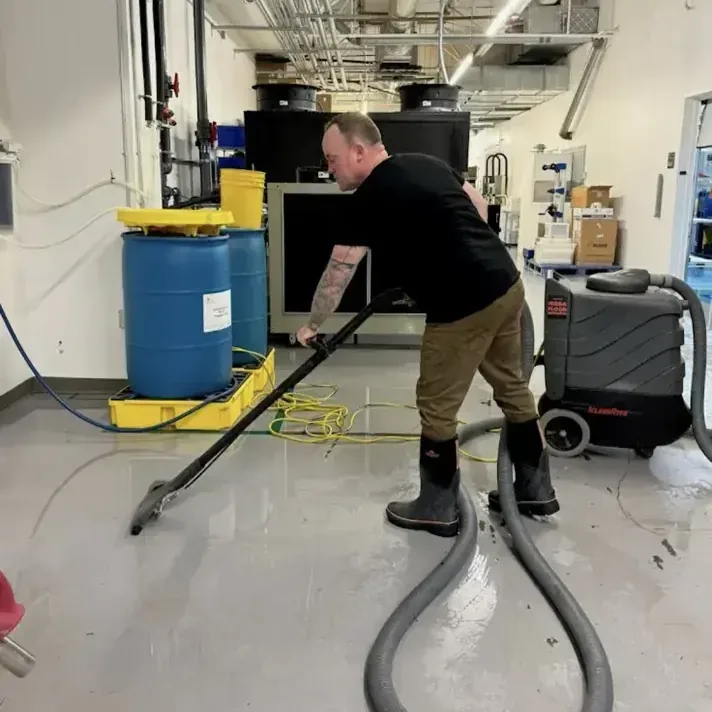 Commercial Water DamageShops, offices and apartment buildings get phased drying plans that keep neighboring units open where possible.Steps and cost range
 Four reasons the work goes smoothly
Rapid local response
Dispatch runs around the clock, and the crew arrives with pumps, air movers and dehumidifiers already loaded.
IICRC S500 drying
Every job follows the S500 standard: classify the water, map the moisture, set equipment, then confirm dry readings before it leaves.
Claim-ready records
Moisture logs, photos and equipment records are kept for each visit, so an adjuster can follow what was wet and why.
Local water know-how
Housing here spans units built in 1939 or earlier through a large 1990s group, so each drying plan follows the building's age and layout.
A drying sequence the crew repeats on every job
Each step is checked against readings rather than guesses, so wet material is found, removed or dried and then proven dry before equipment leaves the property.
- 1
Trace the water
A thermal camera and pin meters follow moisture beyond the visible stain into walls, subfloors and ceilings.
- 2
Remove standing water
Truck-mounted units and submersible pumps pull the bulk of it first, because every hour wet adds to the repair.
- 3
Remove what cannot dry
Saturated pad, soaked insulation and swollen drywall are removed and bagged so they stop holding moisture against framing.
- 4
Dry with engineered airflow
Air movers and dehumidifiers are placed by room size and material, then repositioned as readings change.
- 5
Prove it is dry
Daily readings continue until every wet material reaches its dry standard, and the logs go into the claim file.
Water category decides how much comes out
The IICRC sorts water into three categories by contamination, and the category sets what must be removed rather than dried.
Clean water
Fresh supply pipe and appliance leaks. Left wet, it can degrade, but when caught early most materials dry in place without being removed.
Gray water
Washer and dishwasher discharge or an overflowing tub carries some contamination. Porous materials usually come out, and hard surfaces get cleaned.
Black water
Sewage and rising flood water are heavily contaminated. Containment, removal of porous materials and disinfection come before any drying starts.
Sewage backup cleanup detailsHow long materials take to dry once the water is out
Drying time depends on the material, the water's category and how fast extraction started. These ranges are typical for Michigan homes, and daily readings decide the real finish date.
The goal is a dry standard, not a date Wet readings are compared with a dry reference in the same building, and equipment stays until the framing, subfloor, trim and cabinets all match it, whatever the calendar says.
What does water damage restoration cost in South Lyon, MI?
Most losses fall between $1,200 and $20,000 or more, depending on how far the water spread and what it carried. Sewage and multi-room jobs usually sit near the top of that range.
Caught early, one area
$1,200 to $3,500
- Standing water extracted
- Wet pad and baseboard removed
- Three to four days of drying
Several rooms or two levels
$3,500 to $8,000
- Ceiling and wall cavities opened
- Insulation and flooring removed
- Four to six days of drying
Sewage or a long-running leak
$8,000 to $20,000+
- Contaminated materials removed
- Containment and air scrubbers
- Full structural drying
Ranges are typical, not quotes. The final number comes from the moisture map, the materials affected and the days of equipment needed.
Working with your insurance claim
Homeowner policies often cover sudden water damage, like a burst pipe or a failed appliance hose, and exclude slow seepage or neglected upkeep. The policy wording and the adjuster decide each claim.
The crew documents the loss as it works and talks with the adjuster when asked, so repairs and the paperwork move together instead of one waiting on the other.
What to gather for the claim file
- Dated photos and short videos of every room
- The policy number and the agent's contact details
- Receipts for emergency repairs and equipment
- A list of damaged belongings with estimated values
- Moisture logs and equipment records from the crew
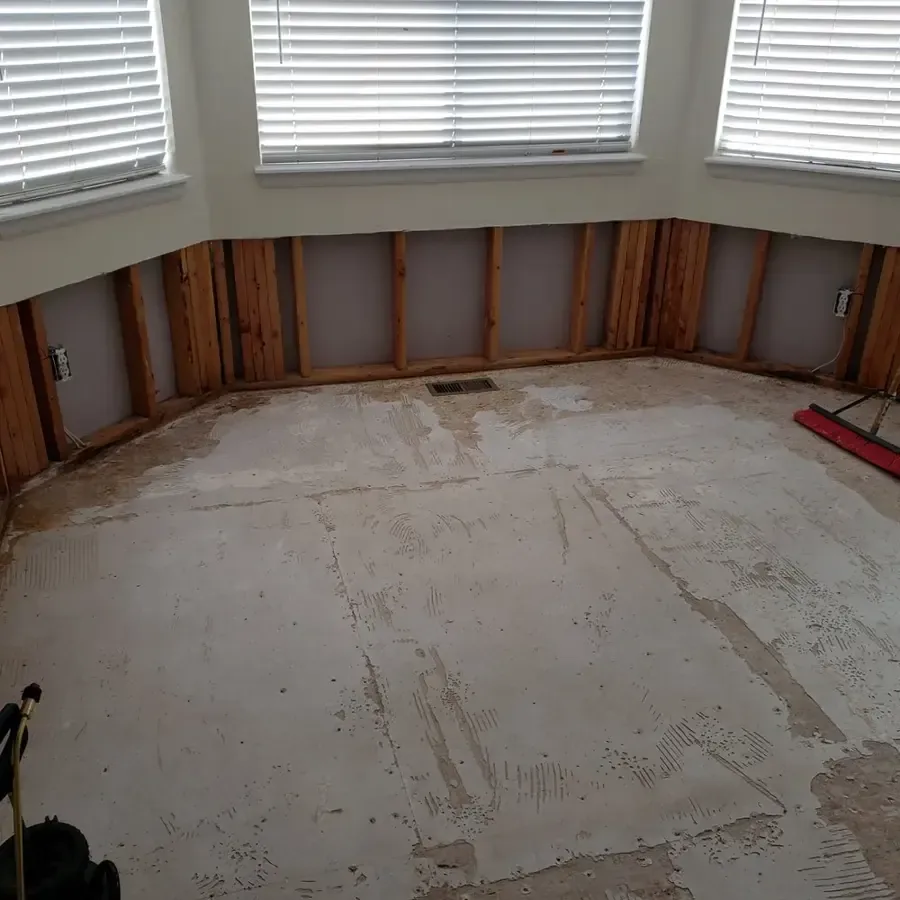
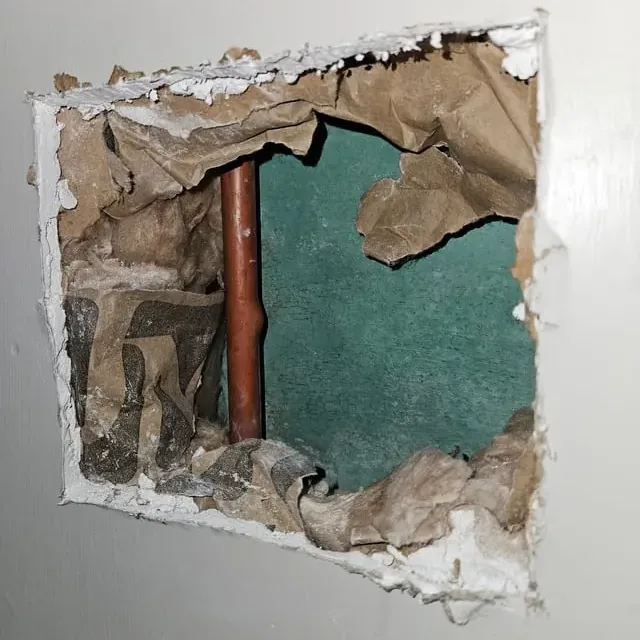
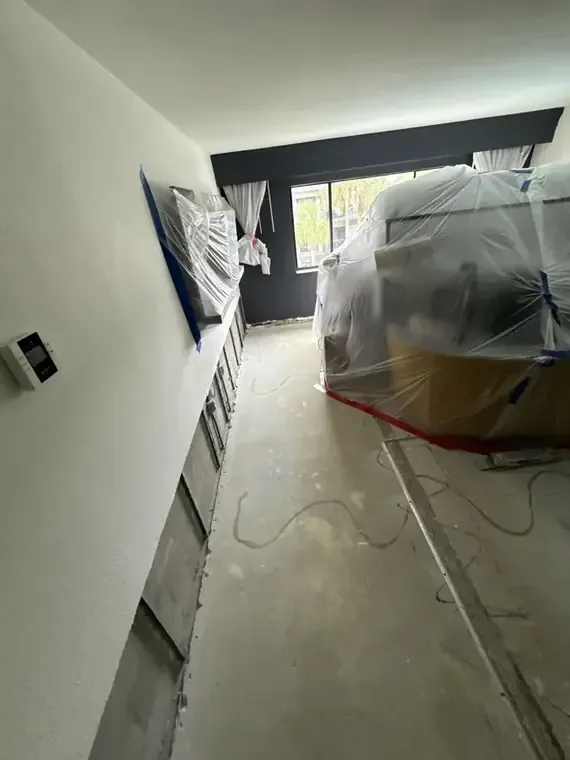
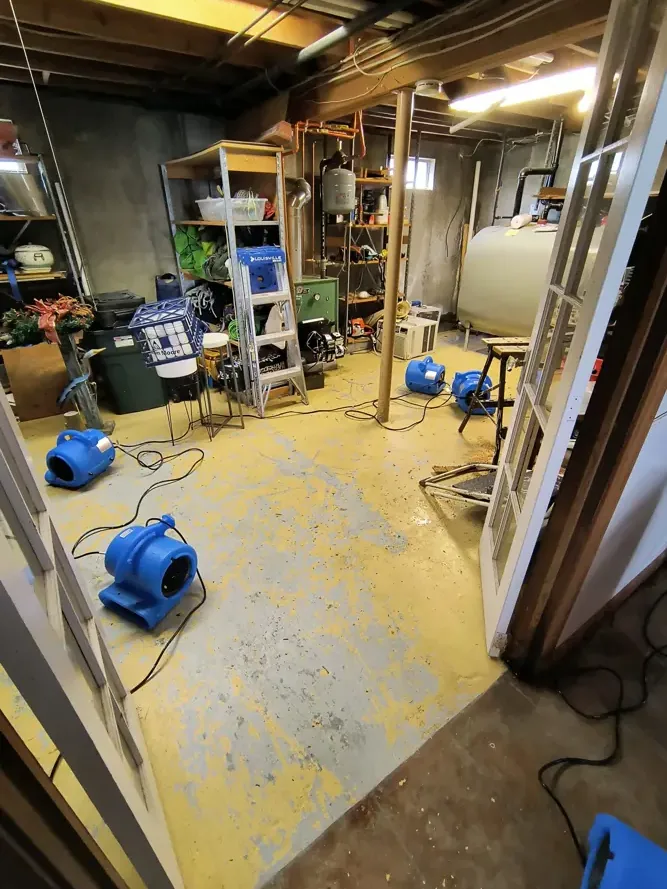
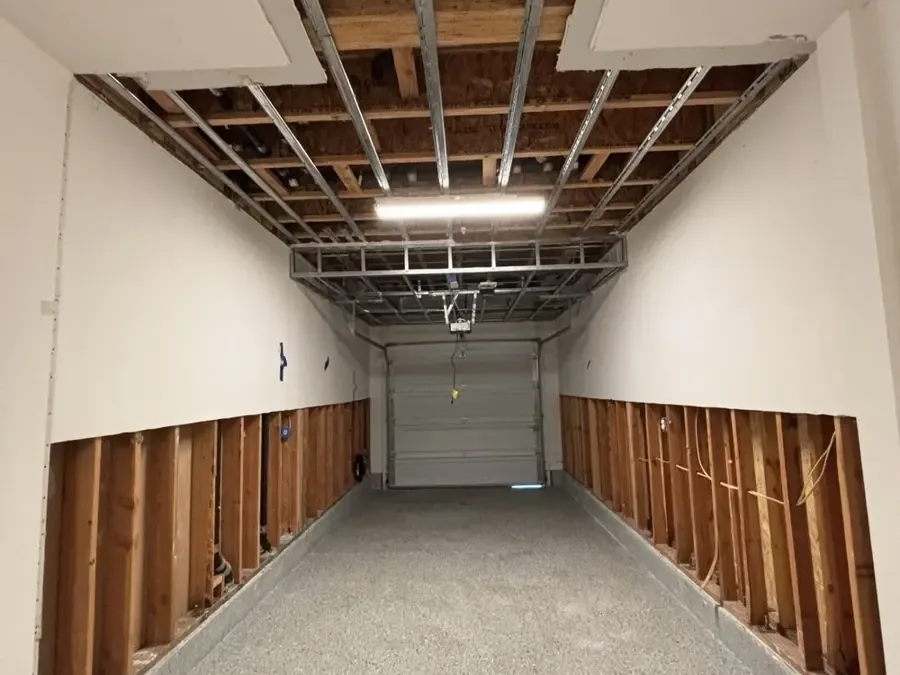
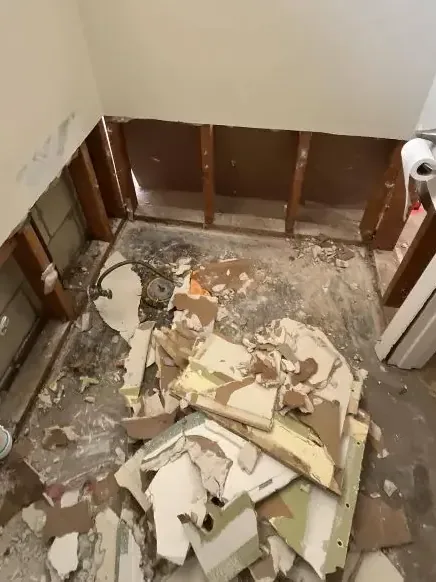
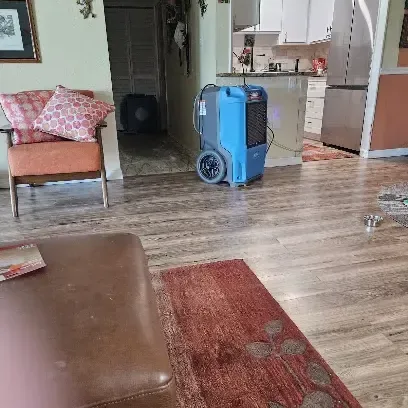
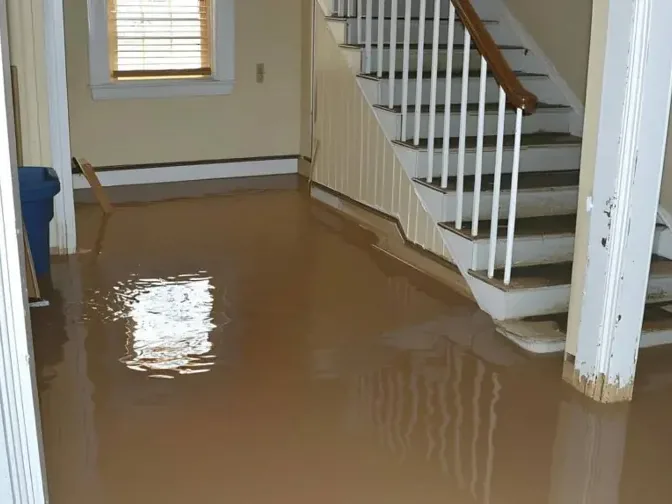
What drying and cleanup work looks like

Neighborhoods and corridors covered
In the city
Main roads and corridors
Downtown cross streets
Nearby towns also served
ZIP codes
One call reaches South Lyon water damage pros, 24/7
One call starts the response for any address inside the city limits. The same crew pumps out the water, removes wet material, sets the drying equipment and keeps the records an adjuster will want. Calls come in at any hour, including weekends and holidays.
What puts local properties at risk of water damage
Cold winters, summer storms and a mix of older and newer buildings shape the risk here. The facts below come from public records, not from guesses about any one street.
Freeze and thaw
Freezing weather strains supply pipes, hose bibs and roof edges. Water from a split pipe or a melting ice dam often shows only after the thaw, hidden inside walls and ceilings. A home left cold over a trip can leak for days unseen.
Summer storm damage
The thunderstorms of August 23 and 24, 2023 brought down trees, limbs and power lines in the city, and a state of emergency followed on August 25. The documented damage was wind, trees and power, but any heavy storm can also test roofs, gutters and low spots.
Drain and storm sewer work
The Road Commission for Oakland County is rebuilding the drain system between Yerkes Drain and Detroit Street along Pontiac Trail and Lafayette Street, and adding a storm sewer south to University Avenue. The work is meant to reduce flooding and is expected to finish in mid-November 2026.
- Housing stock
- 5,155 housing units, with a median build year of 1991 and the largest group from the 1990s
- City water
- Three wells inside the city, run by the Department of Public Works
- Wastewater
- A treatment plant on Dixboro Road, run by the city's own water and sewer department
- Named drain
- Yerkes Drain is a named drain along the Pontiac Trail and Lafayette Street corridor
Common questions about water damage
What should I do first after water gets into the house?
Stop the source if it is safe, switch off power to wet areas, photograph the damage and call a crew. Do not wait for the water to dry on its own, because hidden moisture keeps spreading.
How long does drying usually take?
Most materials dry in three to ten days, depending on what they are and how wet they got. Hardwood and framing take longest, and daily readings, not the calendar, decide when equipment comes out.
Does the city require a permit for a sump pump drain?
Beginning September 1, 2022, the city Building Department requires a plumbing permit and an inspection for installing a sump pump drain, and the application says work must not start until it is filed. Pump failures themselves are covered on the sump pump failure page.
What did the August 2023 storms do here?
Severe thunderstorms on August 23 and 24, 2023 brought down trees, limbs and power lines and closed roads with debris. The city declared a state of emergency on August 25, and reports described wind, tree and power damage. Rain that follows a storm is handled under storm and snowmelt flood cleanup.
What is the Pontiac Trail drain project?
The project rebuilds drains and adds a storm sewer along Pontiac Trail and Lafayette Street, with construction that began May 11, 2026 and an expected finish in mid-November. It is meant to reduce flooding and says nothing about any one property.
Who deals with a sewer backup inside the city?
The City of South Lyon runs its own wastewater treatment plant on Dixboro Road through the Department of Public Works. For an address inside the city, that water and sewer department is the one to ask about its side of the system, while the crew handles sewage backup cleanup inside the building.
Does insurance cover water damage cleanup?
Coverage depends on the policy and the cause. Sudden events such as a burst pipe are commonly covered, while slow leaks and neglected upkeep often are not. The crew's moisture logs and photos support whichever claim gets filed.
Can mold grow after a leak?
It can start on wet drywall, pad and framing within a few days. Fast extraction and steady drying take away the moisture it needs, which is why the first hours matter so much.
What if the water came from a neighbor's unit?
In attached homes and apartment buildings, water can pass through floors and shared walls. Photograph the damage, tell the building manager and your carrier, and the crew can dry the affected unit while responsibility gets sorted out.
Do shops and offices get the same service?
Yes. Commercial water damage jobs use phased drying and zone containment, so unaffected suites and neighboring businesses can keep operating where the building allows. Water is pumped out first, then each affected room is dried and checked.
Standing water or a soaked wall? Call for a crew now
A single call puts pumps, dryers and a moisture map to work. The sooner drying begins, the less material has to be torn out and replaced.