Sewage Backup Cleanup in South Lyon
Sewage in a building is black water and a health risk. The crew seals off the area, removes the contamination and every porous material it touched, disinfects hard surfaces and dries the structure with daily readings before anything is rebuilt.
(888) 612-9219Call for sewage cleanup now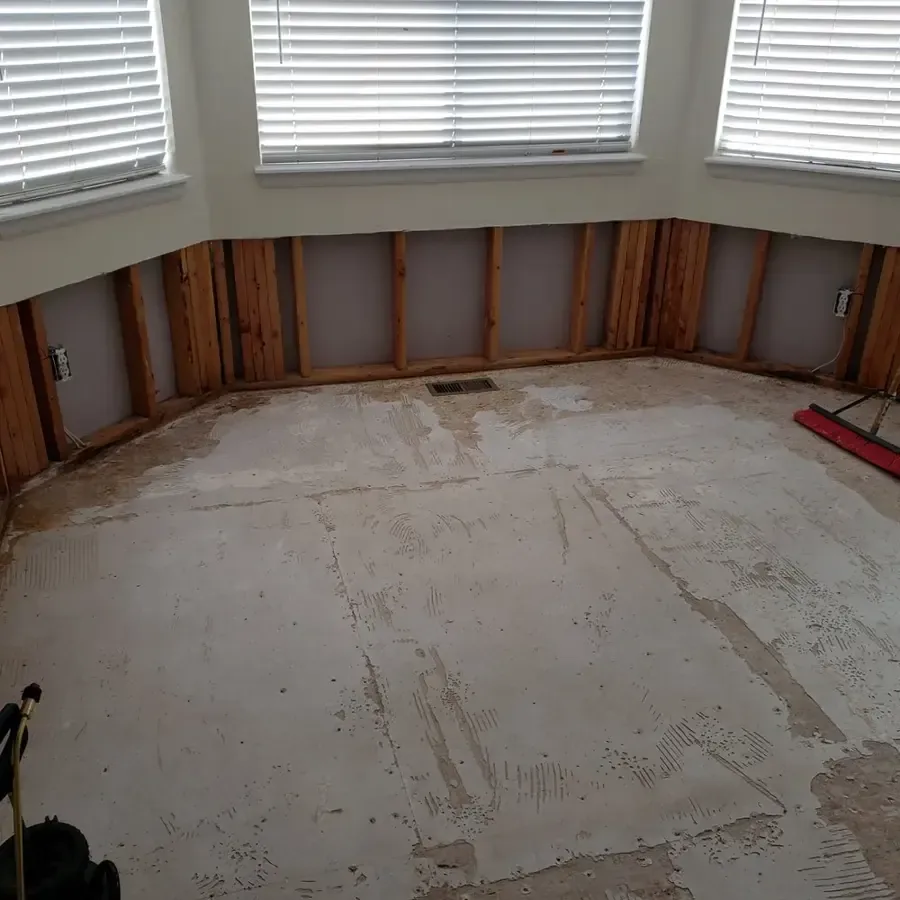
First steps for sewage and septic backup cleanup in South Lyon
Stay out
Keep family and pets away from the area, and do not touch the water.
Stop using drains
Do not flush or run water, since more can back up.
Skip the cleanup
Sewage needs protective gear and proper disposal.
Photograph from the doorway
Capture the room without stepping in.
How a sewage and septic backup cleanup job is handled
Readings before equipment
The tech who does the walkthrough checks walls, floors and the basement slab with pinless meters and thermal imaging before a single fan is placed.
Dried to IICRC S500
The drying team follows IICRC S500, the industry drying standard, so framing and subfloor get structural drying, not a surface wipe.
A file the adjuster can follow
Moisture maps, daily logs and timestamped photos go into one claim file from the first visit to the last reading.
Built for Michigan winters
Frozen pipes, ice dams, snowmelt seepage and sump pumps that quit in a storm are routine work across Livingston County.
What does sewage and septic backup cleanup cost in South Lyon, MI?
A small backup on a hard floor runs about $1,800 to $4,000. A carpeted lower level costs $4,000 to $12,000, and a widespread or repeated backup reaches $12,000 to $25,000 or more.
Hard floor, small area
$1,800 to $4,000
- Sewage extracted
- Surfaces washed and disinfected
- Two to four days drying
Carpeted lower level
$4,000 to $12,000
- Carpet, pad and lower drywall out
- Containment and air scrubbers
- Four to seven days drying
Repeated or widespread backup
$12,000 to $25,000+
- Several rooms affected
- Extensive material removal
- Full structural drying
Ranges are typical, not a quote: water category, wet square footage, material class and how fast drying started move the number most. Run the water damage cost calculator for a closer planning range.
The sewage and septic backup cleanup process, start to dry
Four stops, run in this order, with a reading logged at each one.
- 1
Contain
Plastic sheeting and air scrubbers seal the area before any work starts.
- 2
Extract and remove
Sewage and sludge are pumped out, and porous materials are cut out and discarded.
- 3
Clean and disinfect
Hard surfaces are washed and treated with a disinfectant.
- 4
Dry and verify
Equipment runs with daily readings until the structure is dry.
The City of South Lyon runs its own wastewater treatment plant on Dixboro Road through the water and sewer department of the Department of Public Works. For an address inside the city, that system is the city's own, which is useful to know when a backup raises the question of where the problem sits.
Sewage backups tend to surface at the lowest drain in a building, so floors and lower walls take the worst of it. The crew starts by finding how far the contaminated water traveled and where it stopped.
Why sewage is handled differently
Sewage carries bacteria and viruses, so any porous material it touches, such as carpet, pad, drywall and insulation, is removed and discarded rather than cleaned. The area is sealed with plastic and air scrubbers run so contamination does not spread to clean rooms.
Where the cleanup starts
- Removal of the standing sewage and sludge
- Cutting and disposing of porous material
- Washing and disinfecting hard surfaces
- Drying the structure with daily readings
Cause and cleanup are separate
A plumber finds and clears the blockage or failure. The cleanup crew handles the contamination, and neither job replaces the other. Questions about the municipal side belong with the city's own water and sewer department. For water that came in from outside, see storm and snowmelt flood cleanup, and for lower levels, basement flooding cleanup.
Sewage and Septic Backup Cleanup across the surrounding area
Sewage cleanup covers addresses inside the city limits, from Downtown South Lyon and the Pontiac Trail corridor to the neighborhoods near Volunteer Park, McHattie Park and Dixboro Road, all within ZIP code 48178.
The same service nearby: sewage and septic backup cleanup in Howell, Brighton, Milford. Every water service for this town · every town covered
Related water damage services nearby
Sewage and Septic Backup Cleanup questions in South Lyon, MI
Why must sewage be removed, not just cleaned?
Porous materials absorb contaminated water and cannot be reliably disinfected. Carpet, pad, drywall and insulation that touched sewage are removed and discarded.
Who handles the city side of a sewer backup?
The City of South Lyon runs its own wastewater treatment plant on Dixboro Road through the Department of Public Works. Questions about the city's system belong with that water and sewer department, while the crew handles cleanup inside the building.
Is it safe to stay in the house?
Stay out of the affected area. Sewage carries bacteria, and children, older adults and anyone with a weak immune system face the greatest risk.
Will insurance cover a sewage backup?
Many policies exclude sewer or drain backup unless an endorsement was added. The adjuster decides, and the crew's photos and records document what was affected.
How long does drying take after sewage cleanup?
Usually four to seven days once the contaminated material is out. Daily readings decide when equipment is removed.
What if the backup keeps happening?
A repeated backup points to a blockage or a failure that needs a plumber, not just cleanup. The crew cleans each event fully and records it for the claim.
Get the contamination contained and removed
One call sends a containment crew to seal off, remove and disinfect the area, with photos and daily readings kept for the insurance claim.