Sewage Backup Cleanup in Brighton, MI
Sewage that comes up a drain is black water and a health hazard. For a backup, the City of Brighton asks residents to call the city before a plumber, and then trained crews contain, remove and disinfect the affected rooms.
(888) 612-9219Clear the backup safely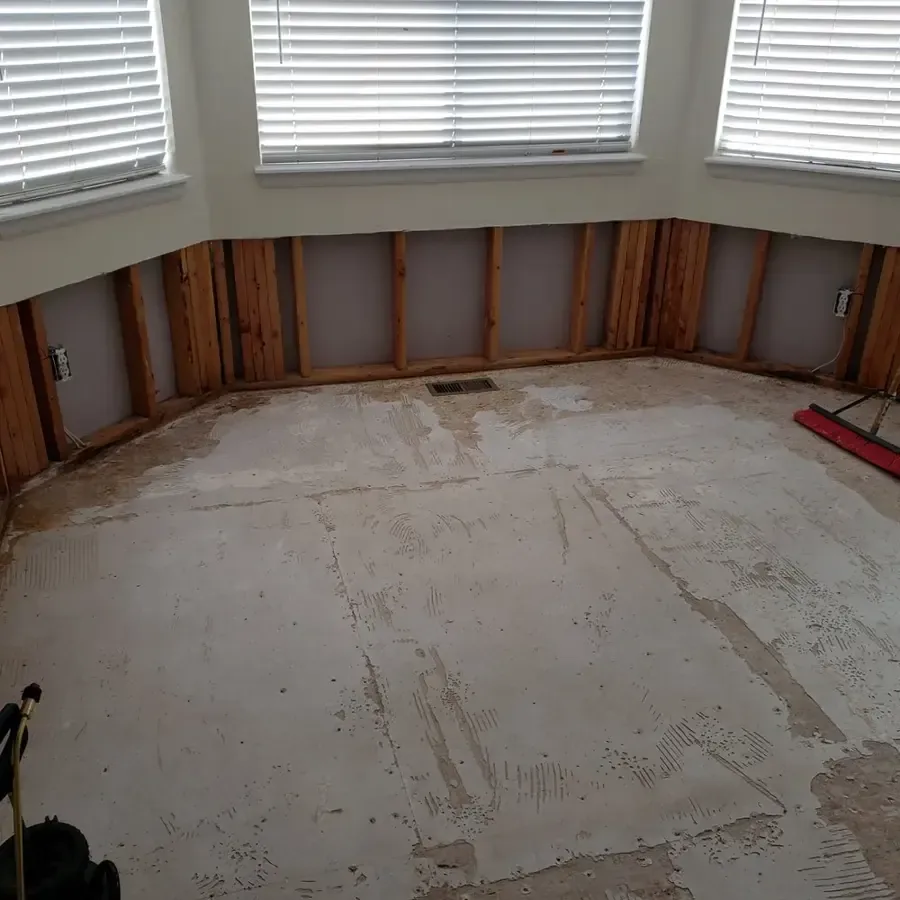
First steps for sewage and septic backup cleanup in Brighton
Stay clear
Keep people and pets away, and do not touch the water.
Call the city
Report the backup or sewer gas smell to the city before calling a plumber.
Skip the mop
Do not scrub it yourself. Removal needs proper equipment.
Take photos
Photograph the affected rooms before anything is bagged.
How a sewage and septic backup cleanup job is handled
Readings before equipment
The tech who does the walkthrough checks walls, floors and the basement slab with pinless meters and thermal imaging before a single fan is placed.
Dried to IICRC S500
The drying team follows IICRC S500, the industry drying standard, so framing and subfloor get structural drying, not a surface wipe.
A file the adjuster can follow
Moisture maps, daily logs and timestamped photos go into one claim file from the first visit to the last reading.
Built for Michigan winters
Frozen pipes, ice dams, snowmelt seepage and sump pumps that quit in a storm are routine work across Livingston County.
What does sewage and septic backup cleanup cost in Brighton, MI?
A small sewage backup on a hard floor costs about $1,800 to $4,000. A finished lower level runs $4,000 to $12,000, and a large or repeated backup across several rooms can reach $12,000 to $25,000 or more.
Small area, hard floor
$1,800 to $4,000
- Extraction and removal
- Cleaning and antimicrobial
- Brief drying period
Finished lower level
$4,000 to $12,000
- Carpet, pad and wall base out
- Containment and HEPA scrubbers
- Several days drying
Large or repeated backup
$12,000 to $25,000+
- Several rooms
- Extensive removal
- Full structural drying
Ranges are typical, not a quote: water category, wet square footage, material class and how fast drying started move the number most. Run the water damage cost calculator for a closer planning range.
The sewage and septic backup cleanup process, start to dry
Four stops, run in this order, with a reading logged at each one.
- 1
Seal and protect
Plastic containment goes up and crew members put on protective gear.
- 2
Remove
Contaminated water, flooring and wall sections are removed and bagged.
- 3
Disinfect
Remaining surfaces are cleaned and treated while air scrubbers run.
- 4
Dry and verify
Dehumidifiers and air movers run until readings return to normal.
The city asks residents to call it first for a sanitary sewer backup or a sewer gas smell, and its emergency contact runs 24 hours a day. Cleanup is a separate job that begins once the area is safe, and it is handled with protective gear because the water carries bacteria and viruses.
Why sewage is different
- It can cause illness through skin contact, splashes and airborne droplets
- Carpet, pad and drywall that touched it cannot be cleaned
- Even a small spill needs containment and protective equipment
- Pets and visitors should stay out of the area
Common causes of a backup
The city warns that cooking oil poured down a sink or toilet can block plumbing and make sewage back up into a home. Flushed wipes, tangled roots and failed pipes cause blockages too, and the fix for any of them belongs to a plumber or the city, not the cleanup crew.
How the cleanup works
The crew seals off the affected rooms with plastic, removes contaminated flooring and the lower part of the walls, and bags everything for disposal. Surfaces that stay are cleaned and treated with an antimicrobial, HEPA air scrubbers run during the work, and the structure is dried afterward. Standing water is handled first, as described under water extraction, and lower level losses are covered under basement flooding cleanup.
Sewage and Septic Backup Cleanup across the surrounding area
Sewage backup calls come from homes and buildings across the city, including the Fairway Trails and Devonshire Boulevard areas, Oak Ridge Drive, Robertson Drive, Sisu Knoll and Glenwyth, in ZIP codes 48116 and 48114.
The same service nearby: sewage and septic backup cleanup in Howell, South Lyon, Milford. Every water service for this town · every town covered
Related water damage services nearby
Sewage and Septic Backup Cleanup questions in Brighton, MI
Who do I call first for a sewage backup?
The city asks residents to call it before a plumber for a sanitary sewer backup or a sewer gas smell. Its emergency contact runs 24 hours a day.
Is sewage water dangerous?
Yes. It carries bacteria and viruses, so skin contact, splashes and fumes can cause illness. Protective gear and containment are standard for this work.
Can the carpet be cleaned?
No. Carpet, pad and porous drywall that touched sewage are removed because they cannot be made safe, even with strong disinfectants.
What causes sewage to back up?
Cooking oil poured down a drain, flushed wipes, roots and failed pipes are common causes. The city specifically warns about oil in sinks and toilets.
Does insurance cover a sewage backup?
Often only with a water backup endorsement, so check the policy early. Photos taken before removal make the claim much easier.
Is it safe to stay in the house?
Usually not in the affected rooms. Ask the crew about air quality and which areas can be used during cleanup.
Get the backup cleaned up safely
A call starts containment, removal and disinfecting, with protective gear, air scrubbers and a clear record of every step for your insurer, plus plain guidance on what can stay.