Sewage Backup Cleanup in Milford
Sewage in a building is a health risk, not just a mess. Crews contain the area, remove contaminated water and materials, then clean, treat and dry everything that stays, so the space is safe to rebuild.
(888) 612-9219Backup in the house? Call now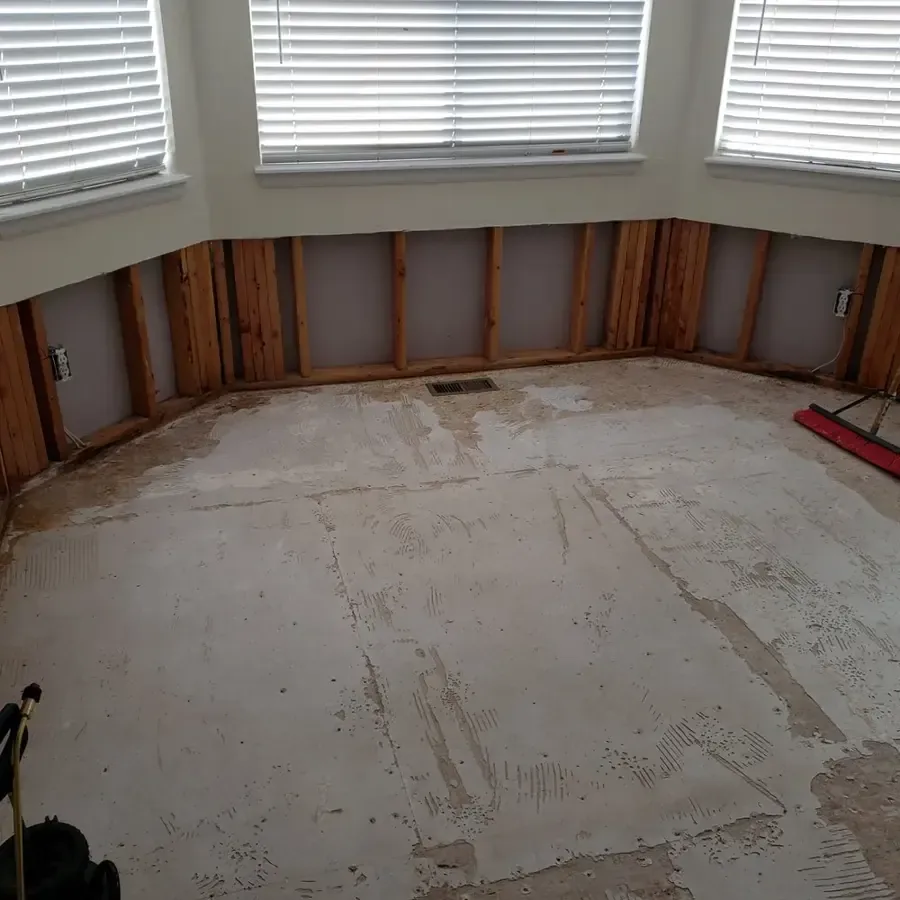
First steps for sewage and septic backup cleanup in Milford
Stay out
Keep family and pets away from the affected area.
Do not flush
Stop using drains and toilets until the problem is found.
Skip the vacuum
Never use household vacuums or fans on sewage.
Call the village
Report the backup to the village, then call a crew.
How a sewage and septic backup cleanup job is handled
Readings before equipment
The tech who does the walkthrough checks walls, floors and the basement slab with pinless meters and thermal imaging before a single fan is placed.
Dried to IICRC S500
The drying team follows IICRC S500, the industry drying standard, so framing and subfloor get structural drying, not a surface wipe.
A file the adjuster can follow
Moisture maps, daily logs and timestamped photos go into one claim file from the first visit to the last reading.
Built for Michigan winters
Frozen pipes, ice dams, snowmelt seepage and sump pumps that quit in a storm are routine work across Livingston County.
What does sewage and septic backup cleanup cost in Milford, MI?
Sewage backup costs more than clean water because of containment, protective gear and disposal. Cost follows the area affected, the finish level and how many rooms the contaminated water reached, plus the drying days that follow.
Small area, hard floor
$1,800 to $4,000
- Extraction and removal
- Cleaning and treatment
- Short drying period
Finished space
$4,000 to $12,000
- Carpet, pad and lower drywall out
- Containment and HEPA scrubbers
- Several days of drying
Large or repeated backup
$12,000 to $25,000+
- Several rooms
- Extensive removal
- Full structural drying
Ranges are typical, not a quote: water category, wet square footage, material class and how fast drying started move the number most. Run the water damage cost calculator for a closer planning range.
The sewage and septic backup cleanup process, start to dry
Four stops, run in this order, with a reading logged at each one.
- 1
Contain the area
Plastic barriers and negative air keep contamination from spreading.
- 2
Remove contaminated water and materials
Pumps, extractors and careful removal clear the area.
- 3
Clean and treat
Surfaces are scrubbed and treated with an antimicrobial.
- 4
Dry and clear
Equipment runs until readings are dry and the area is ready to rebuild.
Sewage carries bacteria and viruses, so the cleanup follows strict steps. Anything porous that touched it, such as carpet, pad and drywall, usually has to go. Porous materials absorb contamination, so removal is faster and safer than trying to wash them clean.
Who to call besides a restoration crew
For a sewer backup in a home or business, the Village of Milford asks residents to call the village, so make that call early alongside the call for cleanup. The village runs its own wastewater treatment plant, which was built around 1970 and upgraded in 1988. Keep the village call and the restoration visit separate, and write down who was called and when.
What the cleanup includes
- Containment with plastic barriers and negative air
- Removal of sewage water with pumps and extractors
- Disposal of carpet, pad and affected drywall
- Cleaning and antimicrobial treatment of hard surfaces
- Disposal of sealed bags at the end of the job
- Drying of the structure with equipment and readings
Staying safe in the meantime
Keep people and pets out, avoid contact with the water and do not run fans that spread contaminated air. Wear protective gear if you must enter. Anyone with a weakened immune system, young children and older adults face the highest risk, so keep them out until cleaning is done and the area is checked. Related pages include basement flooding cleanup and storm and snowmelt cleanup for water that enters from outside.
Sewage and Septic Backup Cleanup across the surrounding area
Sewage backup calls come from homes and businesses across the village, including Downtown Milford, the Main Street area, the Southside district, the Huron Street area and the Commerce Street area, in ZIP codes 48381 and 48380.
The same service nearby: sewage and septic backup cleanup in Howell, South Lyon, Brighton. Every water service for this town · every town covered
Related water damage services nearby
Sewage and Septic Backup Cleanup questions in Milford, MI
Is sewage backup covered by homeowner insurance?
Usually only with a water backup endorsement. Check the policy, report quickly and keep photos, because standard policies often exclude it.
Is it safe to clean up sewage myself?
Not safe. Sewage carries bacteria and viruses, and it soaks porous materials. Professionals use protective gear, containment and antimicrobial treatment.
What should be thrown out?
Carpet, pad, soaked drywall, mattresses and upholstered items that touched sewage are usually discarded. Hard items can often be cleaned and treated.
Who do I call about the backup itself?
The Village of Milford asks residents to call the village for a sewer backup. A plumber can also check the pipes inside the building.
How long until the area is safe?
After removal, cleaning and drying, the area is checked against dry readings and visual cleanliness before rebuilding. Timing varies by loss.
Can the backup come back?
Yes, if the cause remains. A plumber can inspect the drain, and heavy rain or a blockage can repeat the problem.
Sewage is not a do-it-yourself job
Contained removal, treatment and drying keep a bad day from turning into lasting damage. Call, and the crew will plan the work and the records for the claim.