Water Damage Restoration in Milford, MI
When a pipe, appliance or storm soaks a house or a Main Street storefront, the damage keeps spreading until the source is stopped. Crews extract the water, map the moisture and dry every layer.
(888) 612-9219Tell a crew what got wet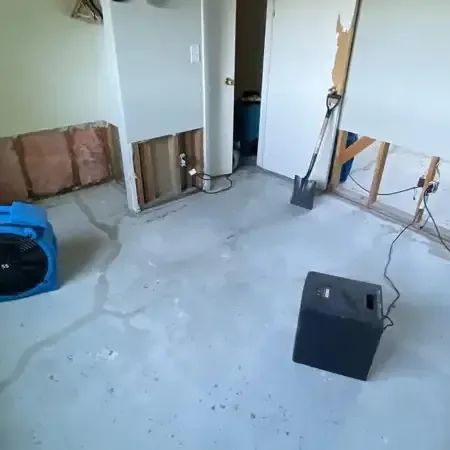
What to do while water is still spreading
Safety and the source come before cleanup. A few quick moves keep water from traveling and keep the insurance record clean.
- 1
Stop the source
Close the shutoff for a leaking pipe, fixture or appliance. If rain or a drain is the source, leave it alone and call for help.
- 2
Mind the electricity
Turn off breakers for wet rooms only if the panel is dry and easy to reach. Standing water near outlets or cords means stay out and call.
- 3
Lift what you can
Carry rugs, books, electronics and small furniture to a dry room. Heavy pieces can stay put on foil or wood blocks.
- 4
Photograph the damage
Take wide and close photos of the source, the high-water mark and wet belongings before anything moves. Dates and detail help the claim.
- 5
Call before tearing out
Wet drywall and flooring often dry in place when caught early. Crews measure first, so removal stays limited to what cannot dry.
Water problems the crews handle here
Homes built in 1939 or earlier stand beside newer builds and downtown shops, so every loss needs its own plan, from extraction to structural drying.
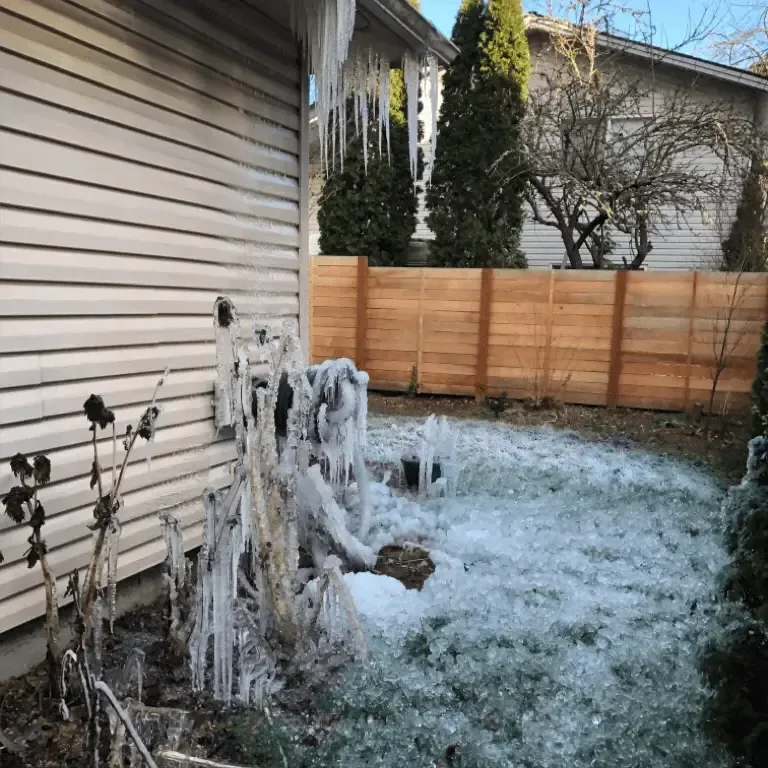 Cold, sometimes severe wintersFrozen Pipe Water DamageA split pipe leaks quietly until the thaw, so walls and ceilings below get opened and dried.Open this service in full
  Heavy summer stormsStorm and Snowmelt Flood CleanupStorm and snowmelt water inside a building is cleared with pumps, mud removal and cleaning.Open this service in full
 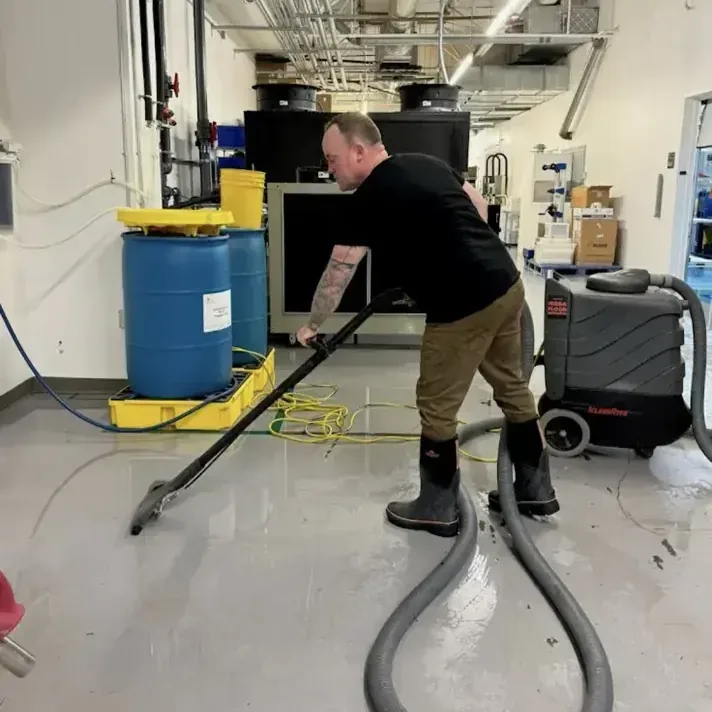 Main Street shops and galleriesCommercial Water DamageShops, offices and restaurants get phased drying so the business can reopen sooner.Open this service in full
  Water Extraction and RemovalPumps pull standing water from floors, carpet and low spots before it soaks deeper.Details and costs
 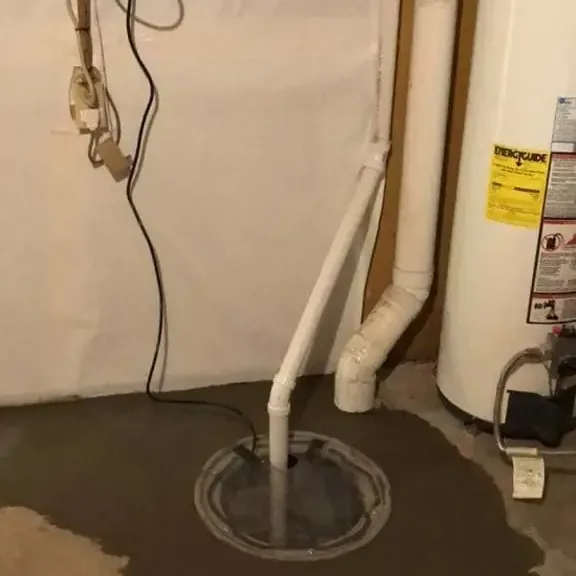 Basement Flooding CleanupA flooded lower level is pumped out, cut back where needed and dried wall to floor.Details and costs
 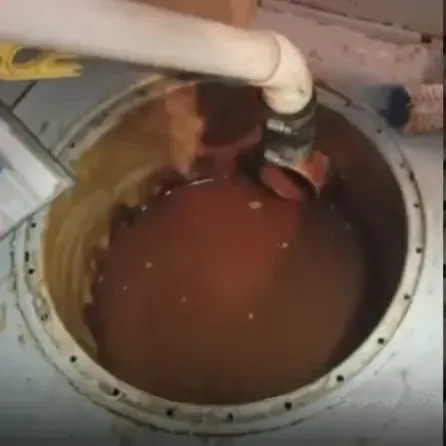 Sump Pump Failure Water DamageA pump that quits in heavy rain lets water spill, so extraction and drying come first.Details and costs
 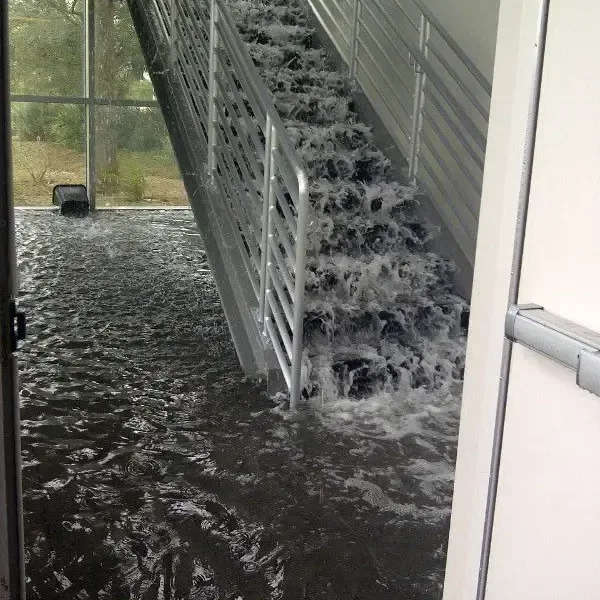 Burst Pipe Water DamageA burst supply pipe can empty into walls and floors fast, and crews trace its path first.Details and costs
 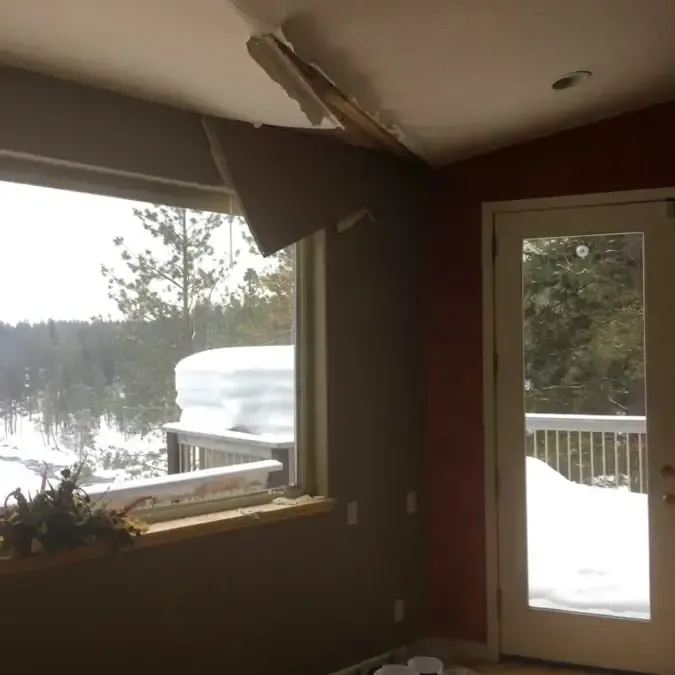 Ice Dam Water DamageMeltwater backed up under roof edges stains ceilings and soaks insulation, which then gets dried out.Details and costs
 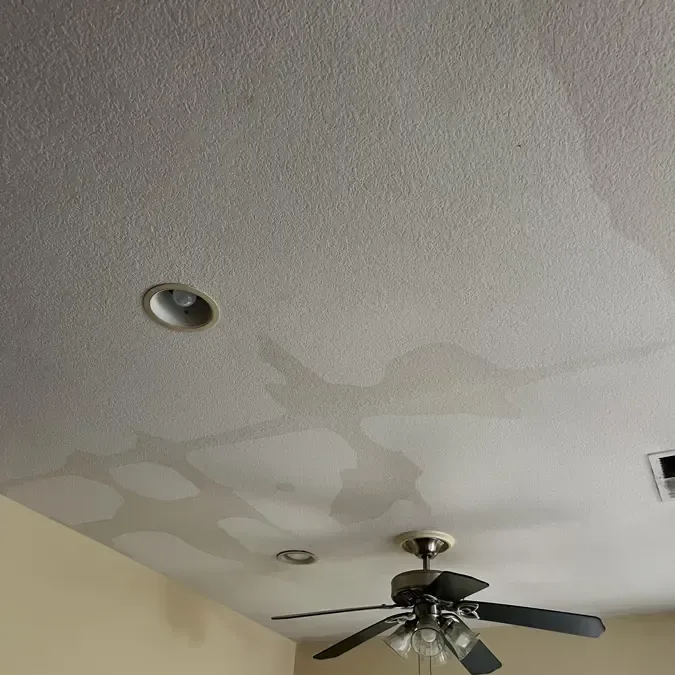 Roof Leak Water DamageA ceiling stain after wind or heavy rain points to a roof leak and wet insulation above.Details and costs
 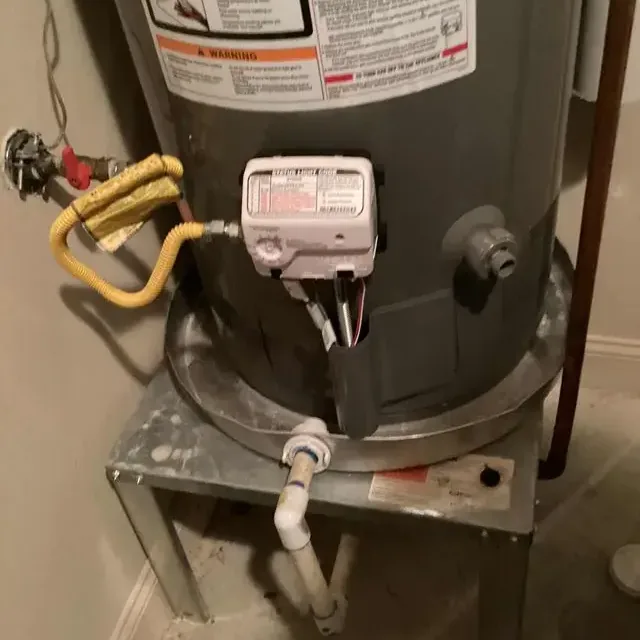 Water Heater Leak CleanupA failed tank or leaking fitting can spread water through a utility area and nearby rooms.Details and costs
 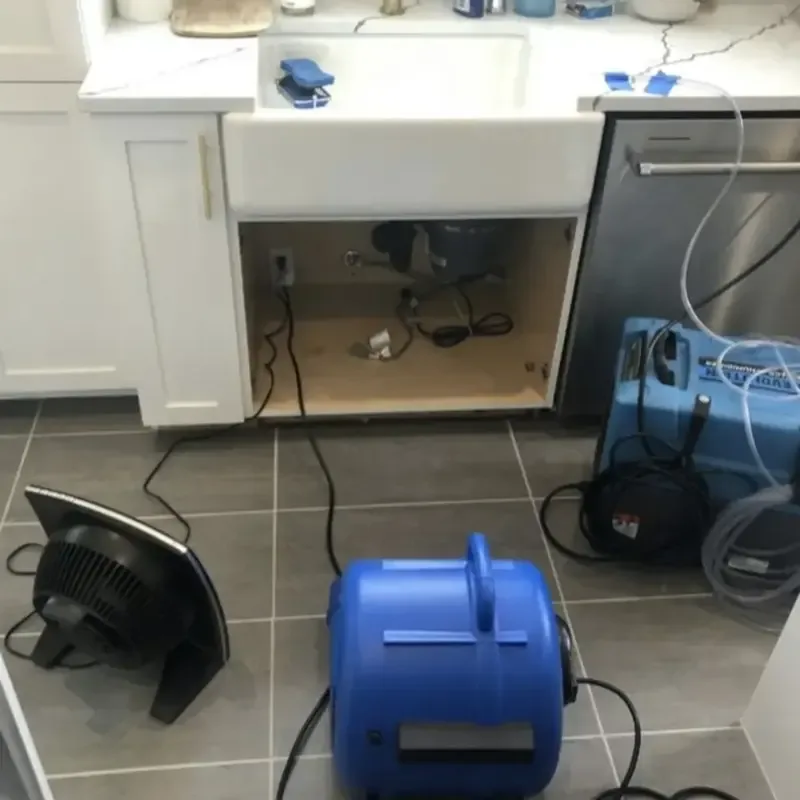 Appliance and Supply Hose LeaksDishwasher, washer and hose leaks hide under cabinets and floors, and can reach neighboring units.Details and costs
 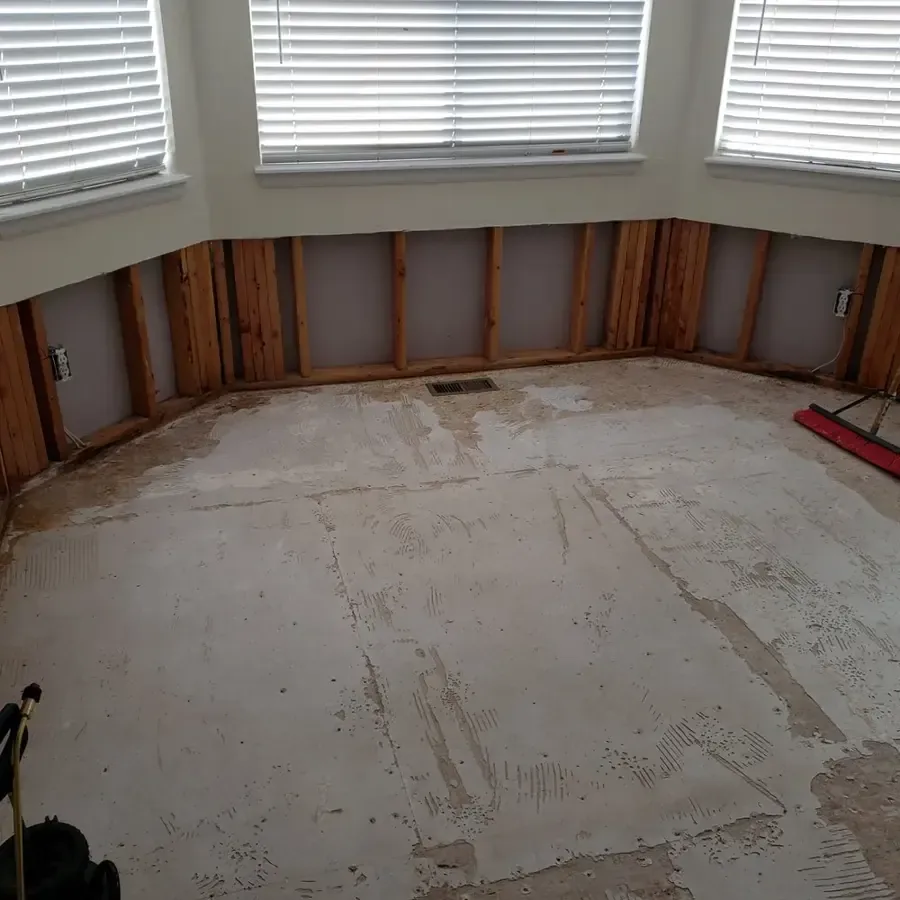 Sewage and Septic Backup CleanupContaminated drain water is removed, affected materials come out and surfaces are cleaned and treated.Details and costs
 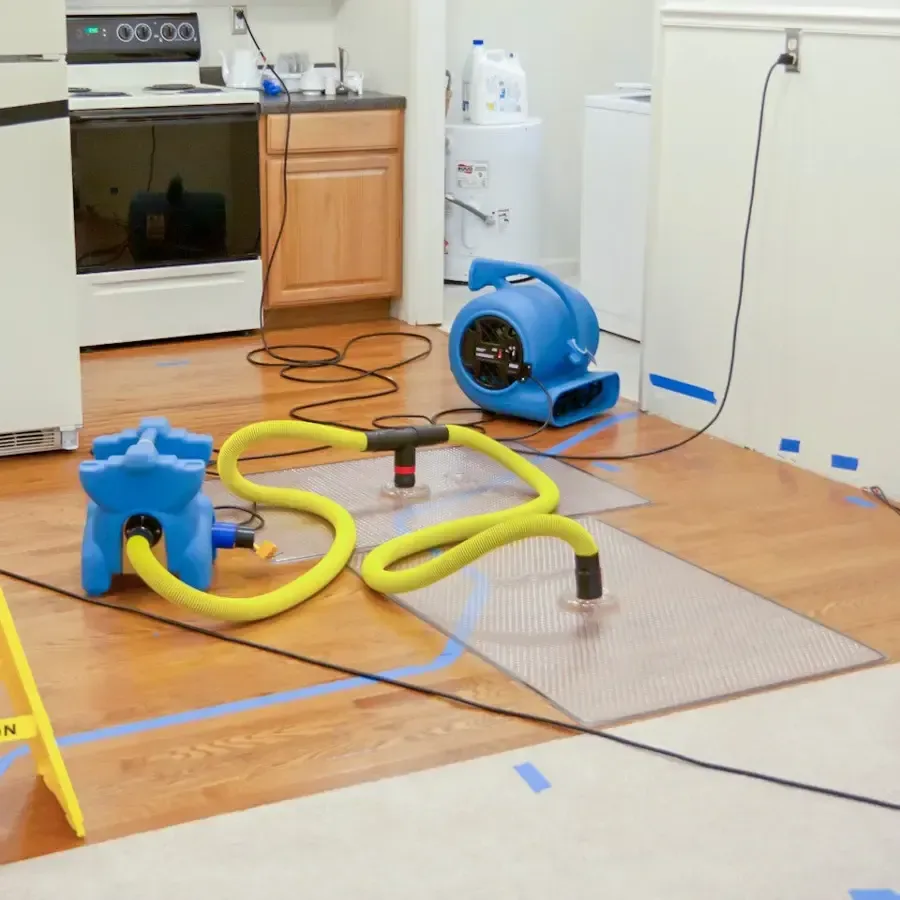 Structural Drying and DehumidificationAir movers and dehumidifiers dry framing, floors and walls to readings logged daily.Details and costs
 What a good restoration visit includes
Round-the-clock crews
Crews work day and night and start with the source, the spread and safety, so water stops traveling before cleanup begins.
Trained to IICRC S500
Drying plans follow the IICRC S500 standard, which sorts water by contamination and materials by how they hold moisture.
Records for the claim
Photos, moisture readings and equipment logs are kept for each visit, so an adjuster can follow what happened and why.
Know-how for older buildings
Homes here span many decades, plus downtown storefronts, so crews adjust for older framing, newer finishes and shared walls.
Five checkpoints from wet to verified dry
Every job follows the same sequence, whether it is one wet bedroom or a flooded storefront, so nothing is skipped and the final readings prove the result.
- 1
Find the moisture
A thermal camera and pin meters show where water went, including behind baseboards and under flooring that looks dry.
- 2
Pull out standing water
Pumps and extractors remove what can be lifted, because every gallon left behind has to be dried the slow way.
- 3
Remove what cannot dry
Saturated pad, soaked insulation and swollen drywall come out and are bagged so the rest of the structure can dry.
- 4
Dry with equipment
Air movers and dehumidifiers are set to the room, then checked and moved each day as the readings change.
- 5
Confirm dry readings
Final readings must match unaffected materials in the same building before any equipment is pulled.
Why the water source changes everything
Contamination decides what can be saved and what must go, so the source is identified before any material is touched.
Clean water
A broken supply pipe or an overflowing sink starts clean, and carpet, pad and drywall can often be dried in place if the cleanup is quick.
Gray water
Washer and dishwasher discharge carries soap and light contamination, so porous materials are cleaned or replaced and surfaces are treated.
Black water
Sewage, and flood water that picked up soil, is heavily contaminated. Porous materials come out and the area is cleaned and treated.
How sewage backups are handledTypical drying time depends on what the water touched
Drying time follows the material, not the calendar. Drywall and carpet release water quickly, while hardwood, plaster and concrete hold it longer and need days of steady, controlled dehumidification.
The goal is dry readings, not a dry feel Surfaces that feel dry can still hold hidden moisture, so crews compare each reading to a dry reference and keep equipment running until the two match.
What does water damage restoration cost in Milford, MI?
Pricing follows the water category, the area affected and the days of drying, not a flat rate. A small, quickly caught loss costs far less than a multi-room or contaminated one.
Small and caught early
$1,200 to $3,500
- One or two rooms
- Extraction and spot removal
- Three to four days of drying
Several rooms affected
$3,500 to $8,000
- Flooring and wall bases cut
- Larger equipment set
- Four to six days of drying
Large or contaminated loss
$8,000 to $20,000+
- Multiple floors or sewage
- Heavy material removal
- Full structural drying
Ranges are typical, not quotes. Final cost depends on category, area, materials and drying days, and an insurer may cover part of it.
Working with your insurance company
Most homeowner policies cover sudden water losses such as a burst pipe or a failed appliance, but not slow seepage or neglected upkeep. Report the loss early and keep every receipt.
Crews supply dated photos, moisture logs and equipment records, so the adjuster can see how wet the structure was, what was removed and when it reached dry readings.
What to keep in the claim file
- Dated photos of the source and damage
- Daily moisture readings for each room
- Equipment placement and run records
- Receipts for emergency repairs and supplies
- Names and dates from each adjuster call
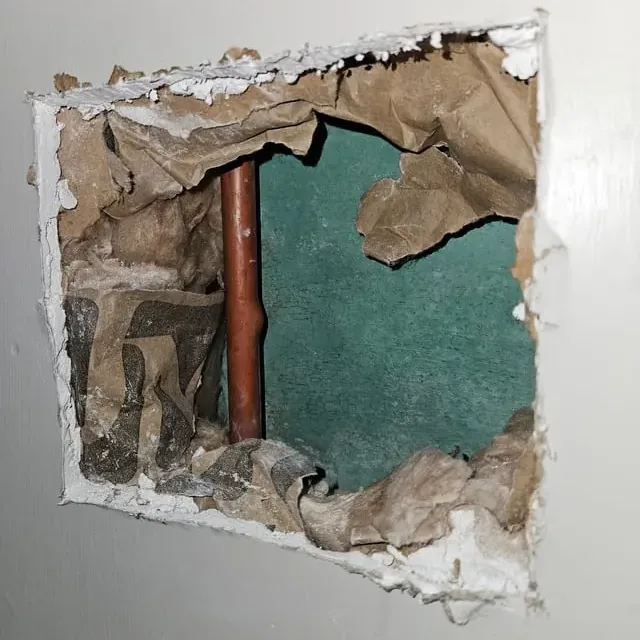
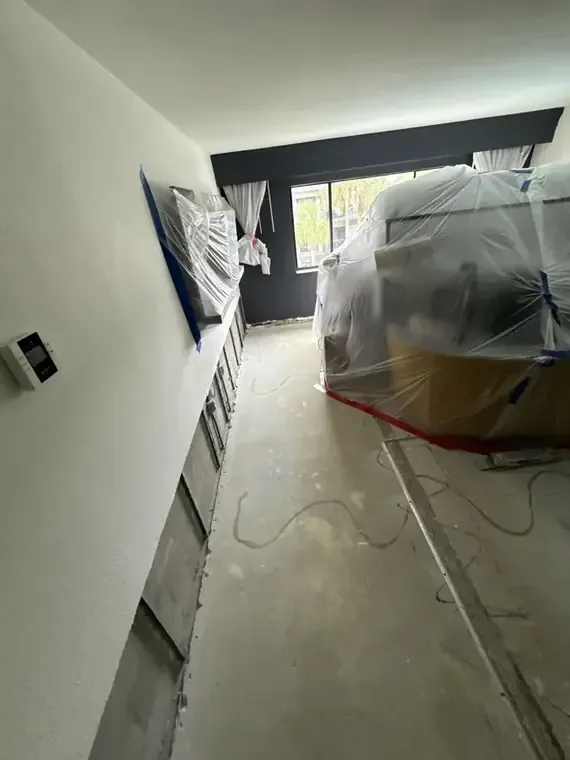
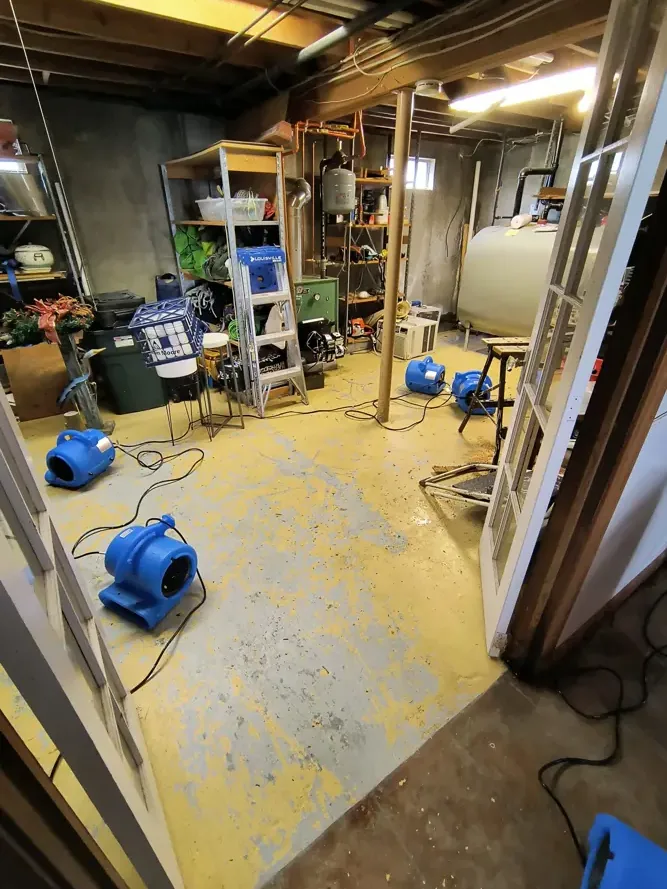
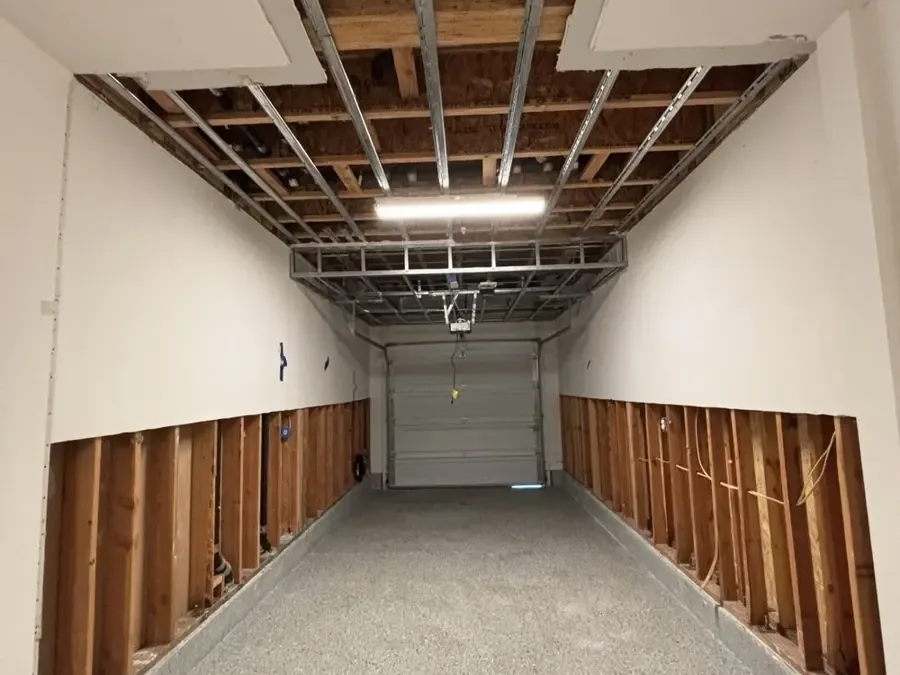
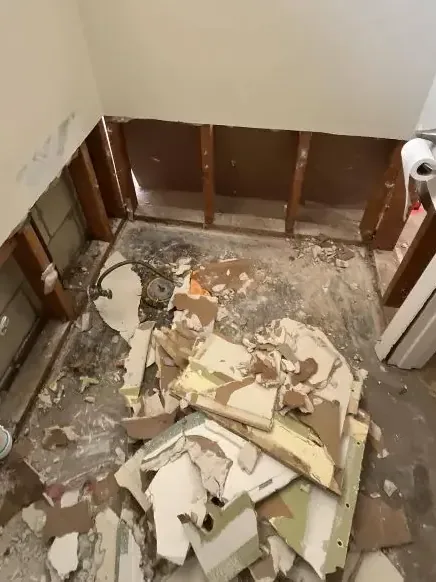
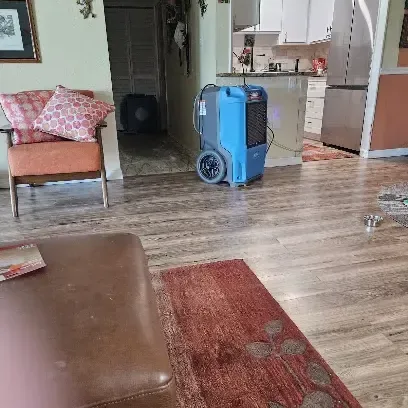
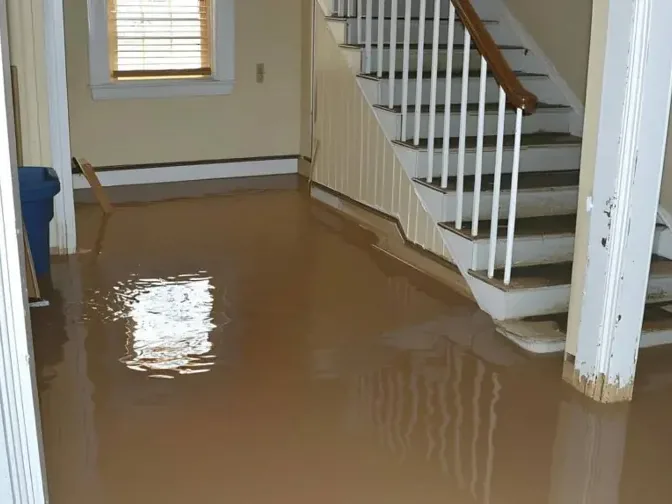
What restoration work looks like on site

Streets and areas covered
Around downtown
Neighborhood streets
South of the Huron River
Neighboring towns also served
ZIP codes
One call reaches Milford water damage pros, 24/7
Calls are taken day and night, weekends and holidays included, because water does not wait for business hours. Describe what got wet, where it started and whether the power is still on, and the crew plans equipment and a start before the truck rolls.
What puts Milford buildings at risk for water damage
The village sits on the Huron River, winters turn cold and sometimes severely cold, and homes built before 1900 stand beside new construction. Each of those shapes how water gets in.
Cold, sometimes severe winters
Milford has a humid continental climate with cold winters that can turn severe. Pipes in exterior walls, unheated rooms and vacant homes can freeze and split, and the leak often shows only at the thaw. The village AquaHawk portal gives water customers usage tracking and leak alerts, which can flag a hidden supply leak early.
Heavy summer storms
National Weather Service rainfall reports near Milford reached 3.31 inches on August 24, 2023, and 2.56 and 2.08 inches on June 18 and 19, 2025. Those readings came from stations outside the village, so they show the storm pattern, not damage on any one street.
Older and mixed housing
About 477 homes in the village were built in 1939 or earlier, while the median build year is 1973, so plumbing and finishes vary widely. Older framing and layered materials can hide water longer, and shared walls in small multi-unit buildings let a leak travel next door.
- Housing stock
- 2,772 housing units, 1,885 of them detached single-family homes, with a median build year of 1973
- Village water
- The Department of Public Services includes a water department, and AquaHawk lets customers track use and set alerts
- Local waters
- The Huron River runs through downtown and Pettibone Creek flows into it, with Hubbell Pond and two mill ponds nearby
- Sewer
- The village runs its own wastewater plant and asks residents to call the village about a sewer backup
Milford water damage questions
What should I do first when water is spreading indoors?
Stop the source if it is safe, avoid wet electrical areas and move small valuables to dry space. Then photograph the damage and call a crew before throwing anything out. Hold off on repairs until the damage is documented.
How fast does water damage get worse?
Water moves into drywall, pad and framing as it sits, and swelling and staining follow quickly. The sooner extraction and drying start, the more material can usually stay in place, which also keeps the final cost down.
Does homeowner insurance usually cover a burst pipe?
Sudden losses such as a burst pipe or failed appliance are commonly covered, while slow leaks and neglect often are not. Policies differ, so read the water damage section or ask the agent.
Can wet drywall and carpet be saved?
Often yes, if the water was clean and the cleanup started quickly. Contaminated water, or materials left wet for days, usually mean removal instead of drying in place, which crews confirm with meter readings.
What does a sewage backup change about the job?
Sewage is Category 3 water, so porous materials come out, the area is contained and surfaces are cleaned and treated. The Village of Milford asks residents to call the village about a backup.
Does a Milford mailing address always mean the village?
Not always. Both ZIP codes, 48381 and 48380, also reach parts of the surrounding township, and the village and township are separate governments, so permit questions go to the office covering the address.
Do plumbing repairs after a leak need a permit?
Plumbing permit applications go through the Village of Milford Building Department, and its form says plumbing work must not start until the application is filed. Ask the department what a specific repair needs.
How long will equipment stay in the house?
Equipment usually runs for several days, depending on the materials and how much water they absorbed. Crews check readings daily and remove it only after the structure matches dry reference readings.
Can a business keep operating during drying?
Often yes. Phased drying works zone by zone, so a shop or restaurant on Main Street can keep part of the space open while the wet area is isolated and dried.
Why not just run fans and open windows?
Fans alone move damp air around without removing moisture, especially in humid summers. Dehumidifiers, controlled airflow and daily readings pull water out of materials and show when the job is truly done.
Water in the house or the shop? Get a crew moving
Every hour water sits, more of the structure absorbs it. Call, describe what happened, and a crew will plan the extraction, drying and documentation.