Water Damage Restoration Brighton, MI
24/7 water damage restoration in Brighton, MI. The restoration team pulls out standing water, dries the framing and floors to the IICRC S500 standard and records each step for your insurance claim.
(888) 612-9219Leak spreading? Get the extraction crew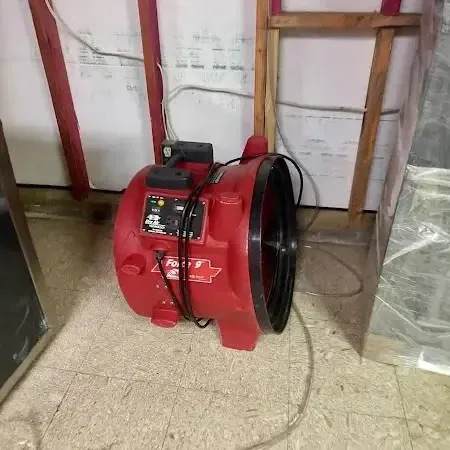
Before help arrives: steps that limit the water damage
The moves made in the first hour decide how much drywall, flooring and cabinetry can stay in place instead of being cut out and hauled away.
- 1
Close the main shutoff
Find the main valve where the water service enters the house and turn it off. For one fixture, the shutoff under the sink or toilet works.
- 2
Make the power safe
Turn off breakers feeding wet rooms only from a dry panel while standing on a dry floor. Otherwise leave it for an electrician.
- 3
Stay out of standing water
Water around cords, outlets or appliances can carry current. Wait outside the wet room until the power is confirmed off.
- 4
Take photos before moving anything
Shoot wide views, close-ups and how high the water reached on walls and furniture. The adjuster will ask for them.
- 5
Move valuables, then call
Carry papers, electronics and rugs to a dry room, then call. Mold growth can begin within 24 to 48 hours.
Water Damage Restoration Services in Brighton, MI
Water and sewage work only, from the first pass of the extraction wand to the last dry reading, for houses, condos and businesses across the area.
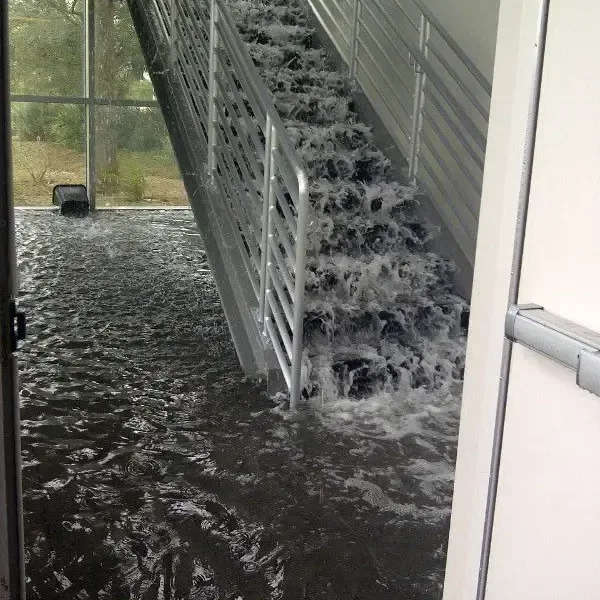 Cold, snowy wintersBurst Pipe Water DamagePressurized supply leaks inside walls and ceilings followed down through each floor and dried out.How this loss is dried out
 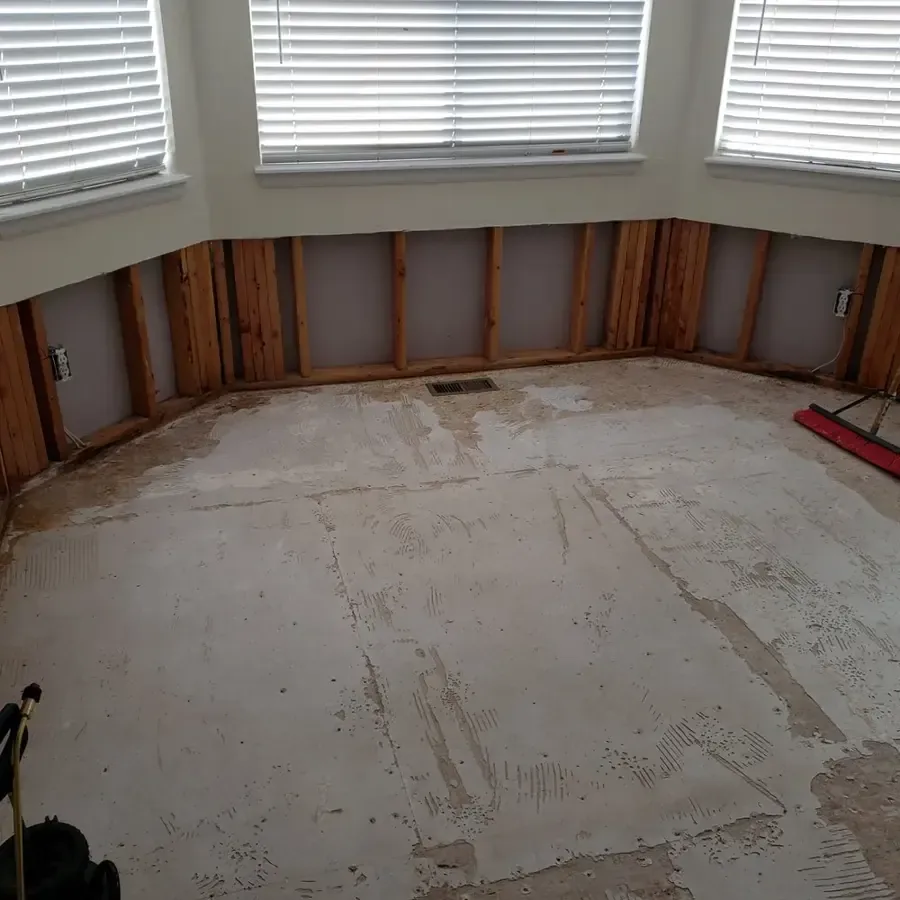 Grease and sewer backupsSewage and Septic Backup CleanupDrain and sewer backups treated as Category 3, with porous materials removed and surfaces disinfected.How this loss is dried out
 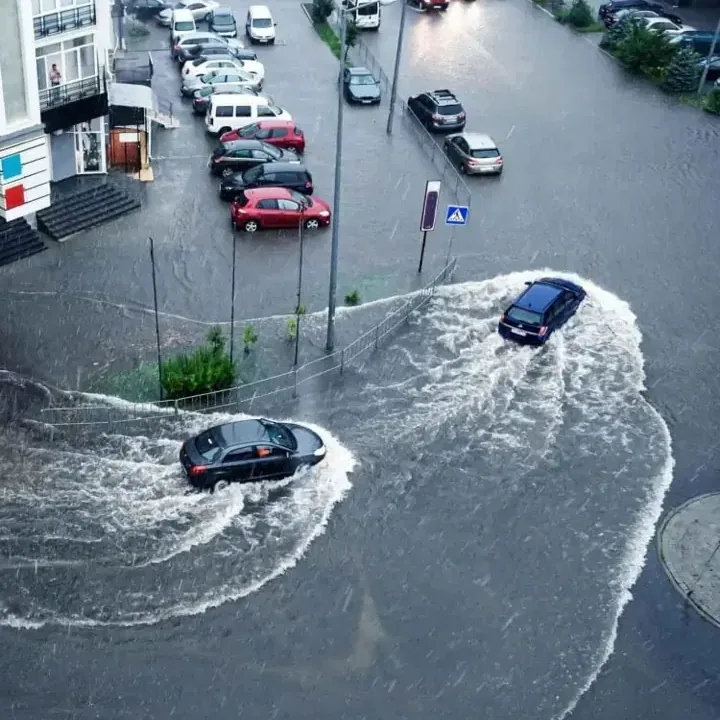 Storm drains run to lakesStorm and Snowmelt Flood CleanupRunoff and flood water handled as contaminated: mud removed, porous materials cleared, the structure dried.How this loss is dried out
  Water Extraction and RemovalStanding water pulled from carpet, wood floors and concrete with truck-mounted units before drying starts.See the drying steps
 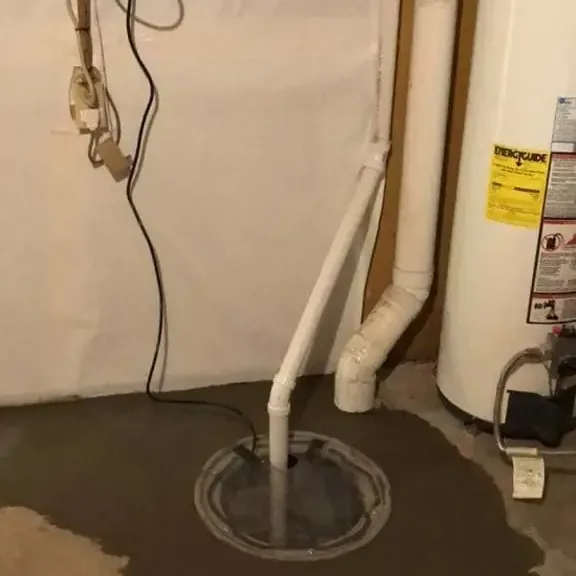 Basement Flooding CleanupLower-level flooding pumped out, soaked pad and drywall cut away, and the floor and walls dried.See the drying steps
 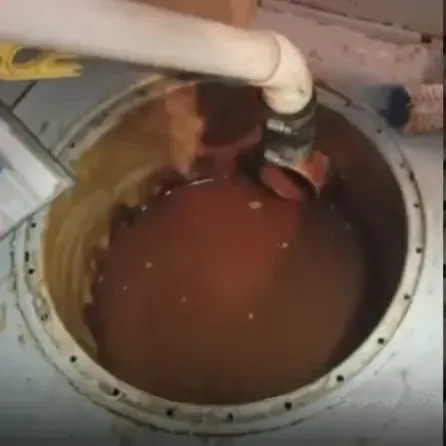 Sump Pump Failure Water DamageOverflowing pits extracted fast, wet finishes removed and the lower level dried before the walls wick it.See the drying steps
 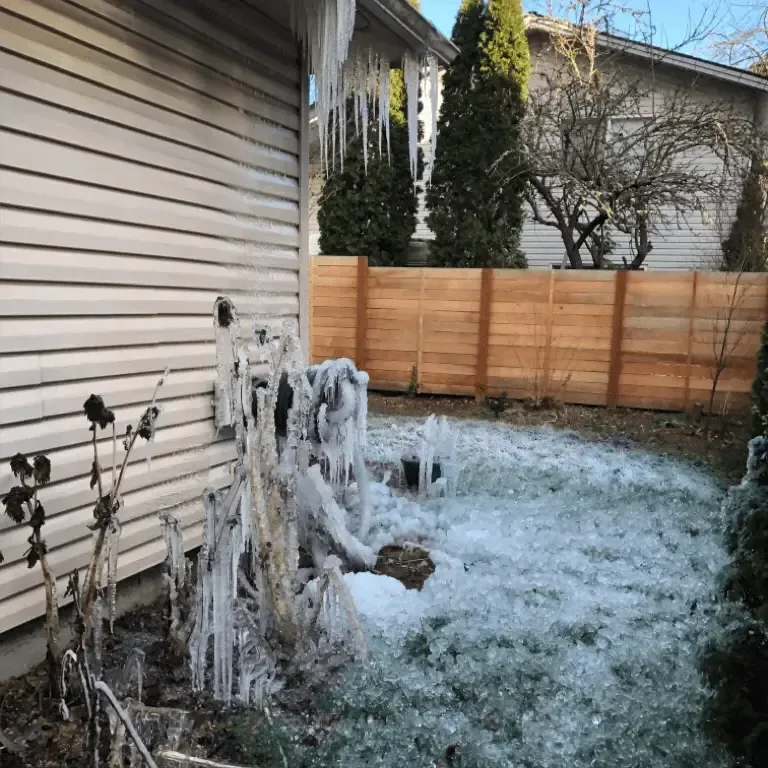 Frozen Pipe Water DamageSupply pipes that split in a cold snap, traced through walls and ceilings and dried after the thaw.See the drying steps
 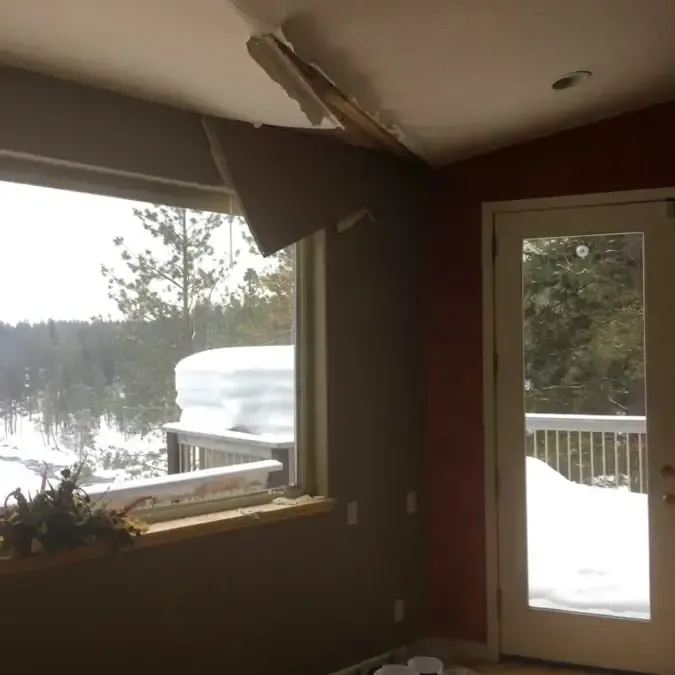 Ice Dam Water DamageMeltwater pushed under shingles at the eaves, pulled from attic insulation and outside wall cavities.See the drying steps
 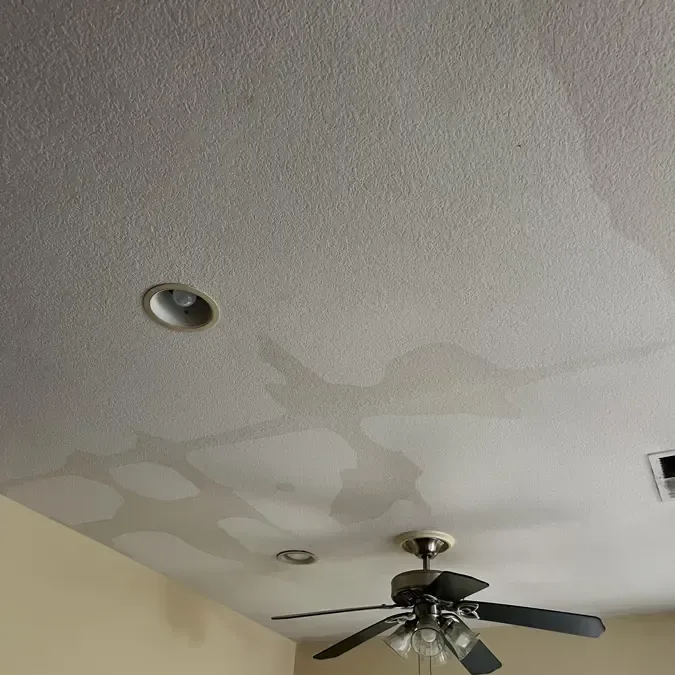 Roof Leak Water DamageThunderstorm leaks at flashing, vents and worn shingles, with wet insulation removed and ceilings dried.See the drying steps
 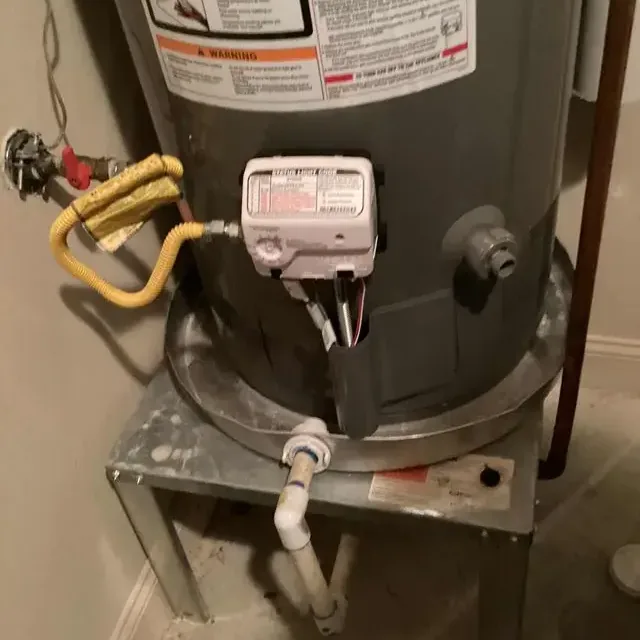 Water Heater Leak CleanupTank and fitting failures extracted before the water spreads under walls and into stored belongings.See the drying steps
 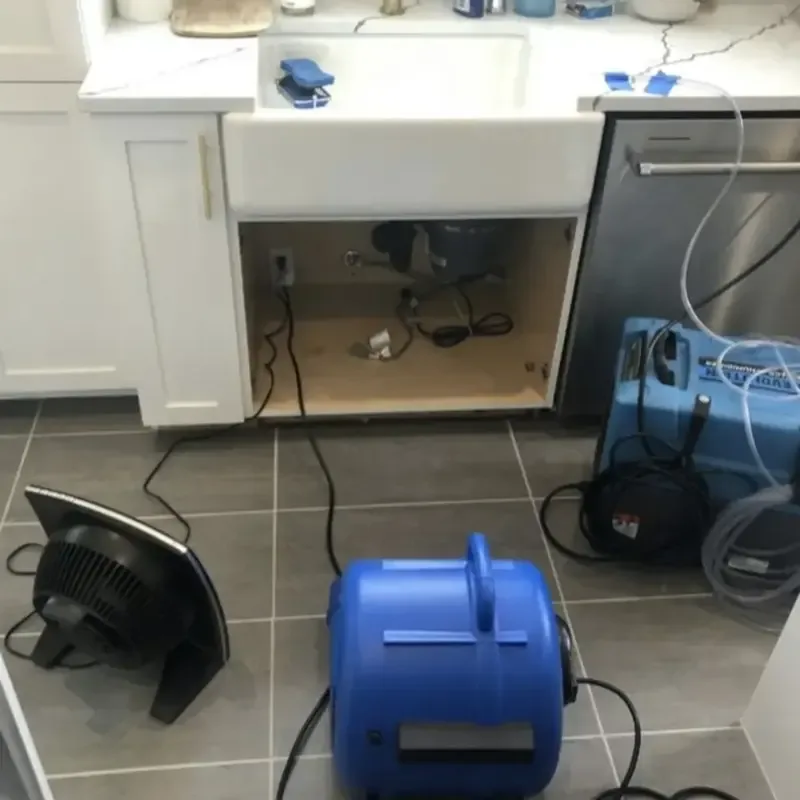 Appliance and Supply Hose LeaksWasher, dishwasher, ice maker and toilet supply leaks dried out of floors, cabinets and the unit below.See the drying steps
 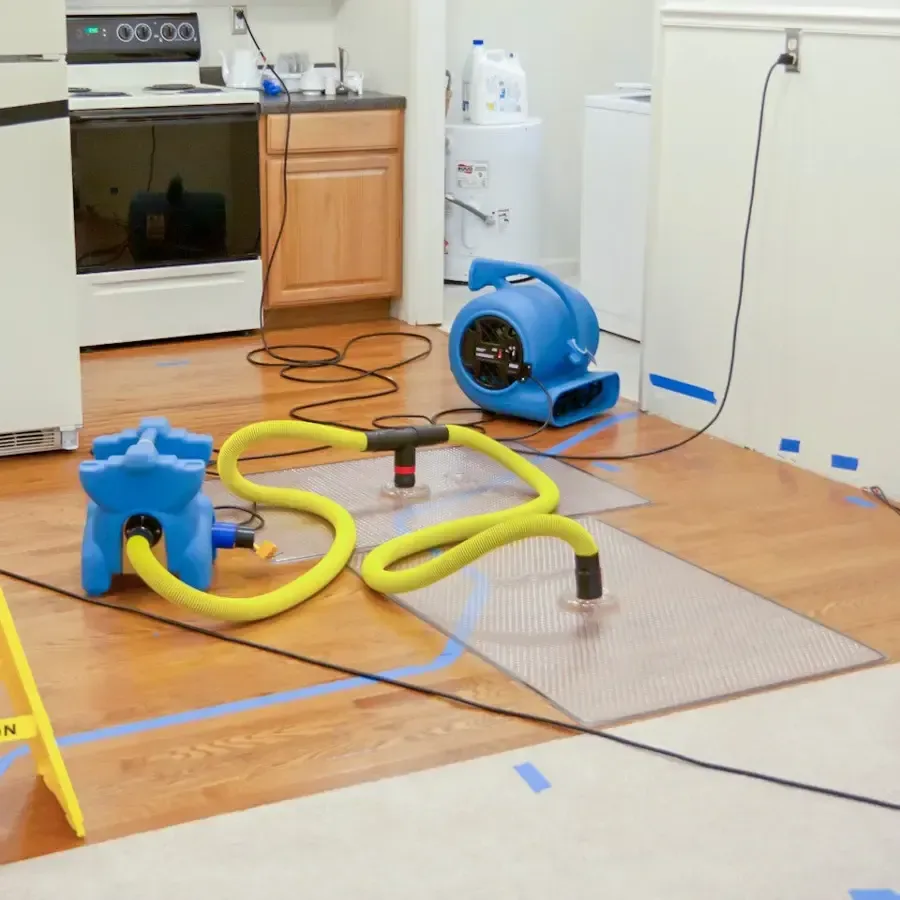 Structural Drying and DehumidificationFraming, subfloor, plaster and concrete brought back to a dry reading, verified and logged daily.See the drying steps
 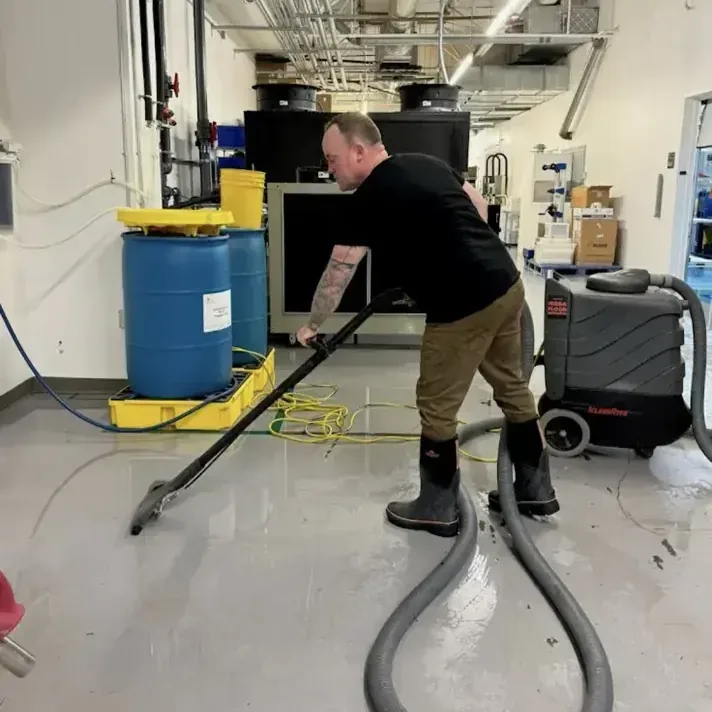 Commercial Water DamageDowntown shops, mall tenants and offices dried in phases so the business can keep serving customers.See the drying steps
 What happens after the call
Rapid local response
Dispatch is open 24/7 and any active leak is treated as urgent. The crew rolls with extraction equipment, moisture meters and drying gear already loaded.
IICRC S500 drying standard
Drying follows IICRC S500, the industry standard, which means drying the framing, subfloor and concrete themselves, not only the surfaces you can touch.
Claim-ready documentation
A moisture map, daily psychrometric readings and timestamped photos build one file the adjuster can check from day one to the final reading.
Local water know-how
Downtown buildings, condos with shared walls, older homes and newer subdivisions each lose water differently, and every drying plan fits the building.
Water damage dried to the IICRC S500 standard
A complete dry-out and a cosmetic one differ mostly in sequence. The local restoration pros run the same five steps on every job in the area, in this order.
- 1
Map the moisture
Before equipment goes down, the tech who does the walkthrough reads drywall, framing and floors with pinless meters and a thermal camera.
- 2
Extract standing water
The extraction crew uses truck-mounted suction to lift water out of carpet, pad and hard floors so it leaves as liquid.
- 3
Set air movers and dehumidifiers
The drying team matches air movers to each room's evaporation rate and runs LGR dehumidifiers, adding desiccant units for dense materials.
- 4
Log readings daily
Each visit records material moisture, temperature and relative humidity, the psychrometric trail an insurance file relies on.
- 5
Confirm it is dry
Equipment comes out only after wet materials read within 2 to 4 points of the same material in a dry part of the building.
All water damage categories covered in Brighton, MI
Each category is cleaned up differently. What the water came from decides the category, not whether it looks clear.
Clean water
A supply pipe, a water heater or a broken fill hose. When drying begins before the water sits and degrades, most materials can be dried where they are.
Gray water
Dishwasher or washing machine discharge, or clean water that stood long enough to turn. Pad usually goes; hard surfaces are cleaned and treated.
Black water
Sewage, a drain backup or flood water from outside. Anything porous it soaked is removed and bagged, never dried in place.
Sewage backup cleanup detailsHow long a dry-out takes and how dry is confirmed
A contained Class 1 or Class 2 loss usually dries in three to five days. Hardwood, plaster and concrete hold water longer, and a house kept cold dries slowest of all.
Dry is a number on a meter, not a date. When the wet material reads within 2 to 4 points of a dry reference, the drying phase ends and rebuilding can begin. The drying time estimator gives a rough range.
What does water damage restoration cost in Brighton, MI?
Most water damage restoration jobs here run $1,200 to $12,000, and large Category 3 losses run higher. Water category, wet square footage, material class and how quickly drying began set the price.
A single room of clean water
$1,200 to $3,500
- Pipe or appliance leak, Category 1
- Carpet, drywall or wood flooring
- About three to four days of drying
Lower level or several rooms
$3,500 to $8,000
- Pad and the bottom of the drywall removed
- Framing and concrete dried
- Roughly four to seven days of equipment
Sewage, drain backup or flood water
$8,000 to $20,000+
- Category 3 removal and disinfection
- Containment plus HEPA air scrubbers
- Antimicrobial, then full structural drying
For a planning figure, try the water damage cost calculator. The on-site walkthrough sets the real number.
Documentation for your insurance claim
Insurers decide water claims on documentation. A sudden discharge, such as a pipe that bursts, is generally handled apart from outside flood water, which needs flood coverage, and a drain or sewer backup often needs an endorsement.
Every policy reads differently, so check the details with your own insurer, and ask the restoration contractor who responds what records come with the job.
What goes into a complete claim file
- A first-visit moisture map
- Daily psychrometric and moisture readings
- Timestamped photos taken before demolition
- The water category and the class of loss
- A line-item scope in the format adjusters use
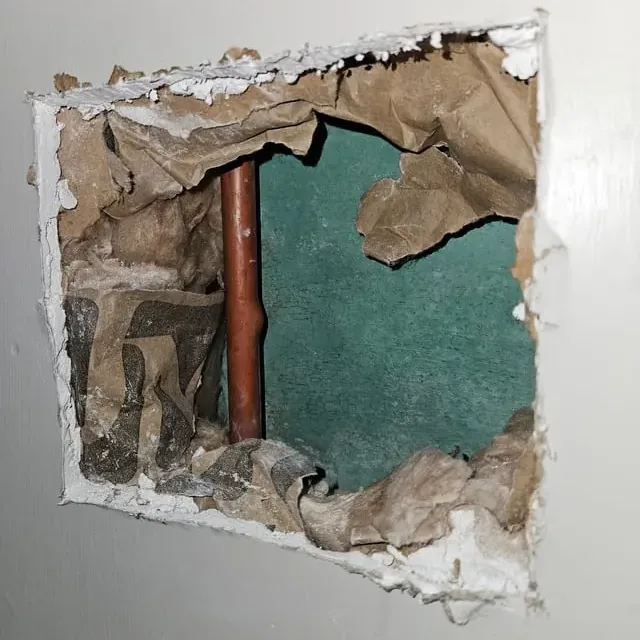
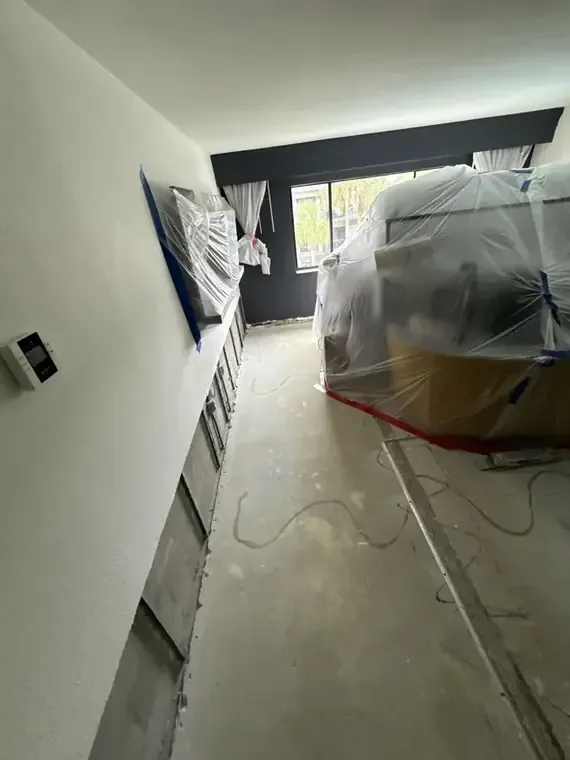
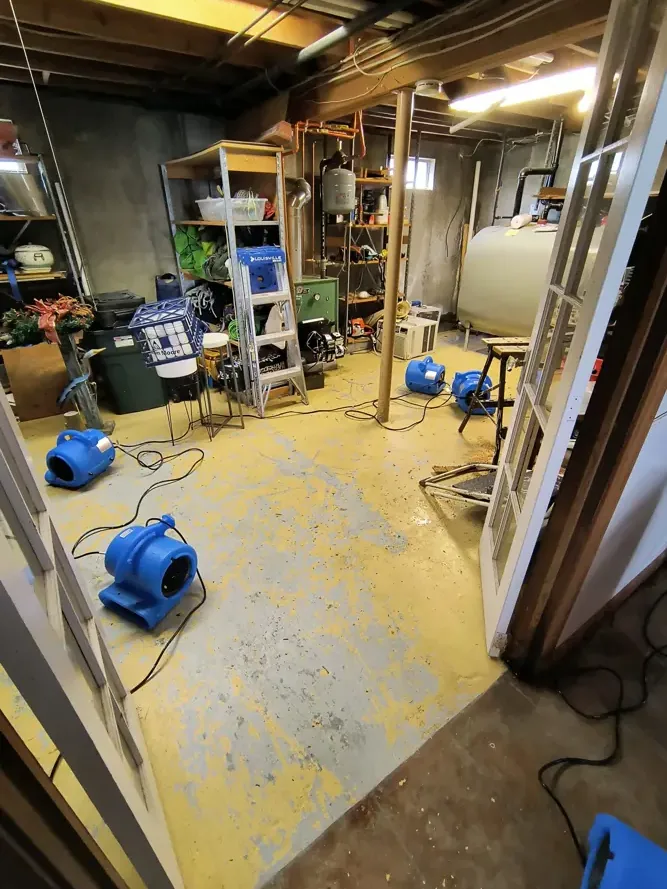
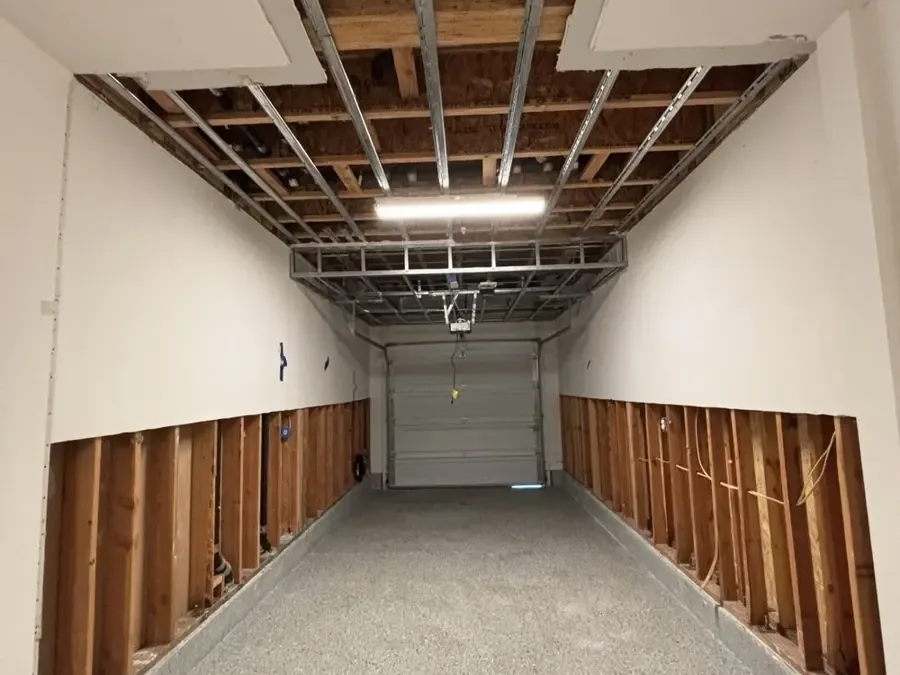
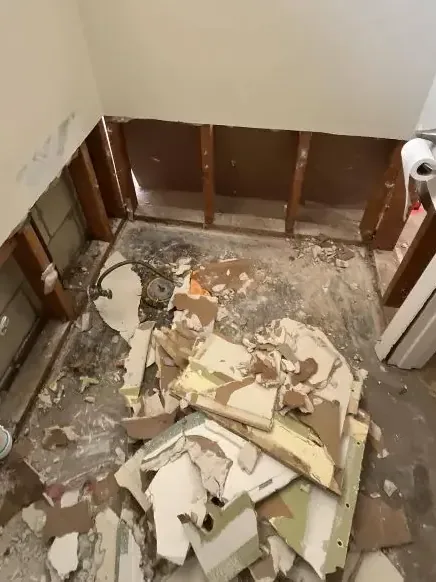
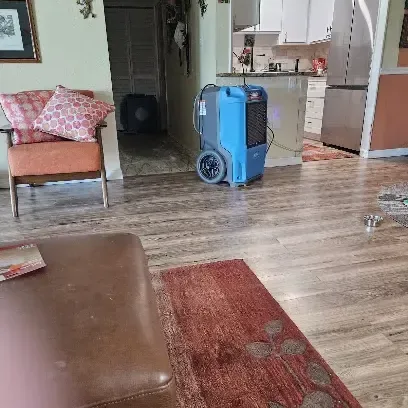
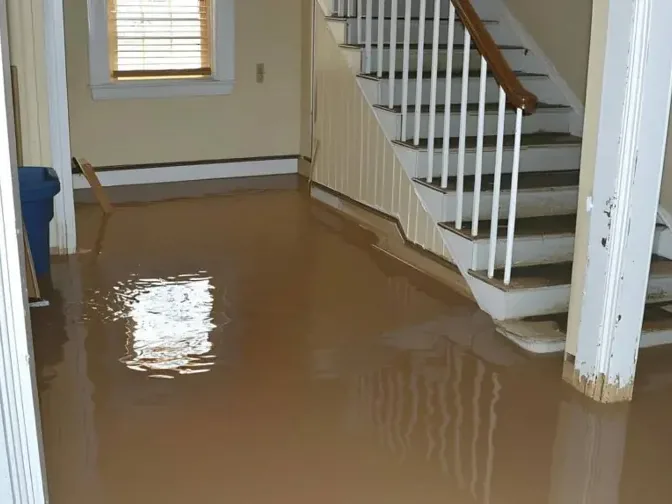
What a water damage dry-out looks like up close

Neighborhoods, districts and ZIP codes covered
In the city
Shopping and corridors
Townships with the same mailing address
Nearby towns and cities
ZIP codes
One call reaches Brighton water damage pros, 24/7
The local restoration pros work the whole area, from the newer apartments and condos near Mill Pond to the subdivisions in the surrounding townships and the stores along Grand River Avenue. The address, the wet rooms and the source of the water decide which equipment gets loaded.
Water damage in Brighton, MI: the local risk profile
Brighton is one of two incorporated cities in Livingston County, with a downtown built around Mill Pond and major roads along I-96, US 23 and Grand River Avenue. Three patterns explain most water losses.
Cold, snowy winters
Winters here are cold with moderate to heavy snowfall. Supply pipes in outside walls and unheated spaces can freeze and split, and the leak usually shows up during the thaw. Warm-season thunderstorms bring roof leaks, and the city requires a permit for roofing of any kind.
Sewer backups and storm drains
For a sanitary sewer backup or a sewer gas smell, the city asks residents to call the city before a plumber, and it keeps a 24-hour emergency number. It also warns that cooking oil poured down a sink or toilet can clog plumbing and push sewage back into a home. Street storm drains and roadside ditches lead straight to lakes and streams.
Mixed housing ages and shared walls
The median home in the city was built in 1986, more than half of the housing units date from 1970 to 1999, and about 252 were built in 1939 or earlier. Roughly 1,361 units sit in buildings of five or more units, where a leak in one unit can reach the one below.
- Housing stock
- 4,033 housing units, a median build year of 1986 and about 252 units from 1939 or earlier
- City water
- Groundwater wells with iron removal plants at Pierce Street and Challis Road, treated with phosphate for corrosion reduction
- Local waters
- Mill Pond at the center of downtown, plus the South Ore Creek headwaters and a lake impoundment just south of the city
- Sewer
- A city wastewater plant in Hamburg Township with tertiary treatment, serving the city and parts of three townships
Common water damage questions, answered
How quickly can a crew start on water damage here?
Dispatch is open 24/7, and active leaks are treated as urgent. Big storms and thaw weeks keep every crew in Livingston County busy, so call as soon as the water turns up.
Does homeowners insurance cover water damage in Michigan?
A sudden, accidental discharge such as a burst pipe is usually covered. Outside flood water needs flood insurance such as an NFIP policy, and drain or sewer backup often requires a separate endorsement. Policies differ, so confirm the details with your own insurer.
Who should be called first for a sewer backup in the city?
For a sanitary sewer backup or a sewer gas smell, the city asks residents to call the city before a plumber, and it keeps a 24-hour emergency number. Once the cause is handled, the cleanup is a Category 3 job.
What causes most water damage in local homes?
Pipes that freeze and split in cold snaps, thunderstorm roof leaks, ice dams, water heaters and washer hoses that give out, sewer backups, and leaks in multi-unit buildings that travel from one unit into the one below.
How long does drying usually take?
Most contained Class 1 or Class 2 losses dry in three to five days. Hardwood, plaster, concrete and soaked framing need longer. The drying team measures daily against a dry reference and removes equipment once the wet material is within 2 to 4 points of it.
What does IICRC S500 mean?
It is the restoration industry's standard for water damage. It defines the water categories, how the class of loss sets the amount of equipment, and the point at which a material counts as dry.
What should be done while water is still spreading?
If it is safe, shut the main valve and turn off breakers for wet areas from a dry panel. Keep away from water near outlets, photograph everything before moving it, lift rugs and boxes off the floor and then call.
What is the difference between mitigation and repair?
Mitigation limits the damage: extraction, removing what cannot be saved and structural drying. Repair puts back the drywall, flooring and cabinets once the structure reads dry, and some repairs, like roofing, need a city permit first.
Can water from a neighbor's unit damage a condo?
Yes. In buildings with shared walls and stacked units, a leak from a dishwasher, toilet or pipe above often runs through the ceiling into the unit below. The moisture map shows where it travelled and which unit it came from.
Why is sewage cleanup handled differently?
Sewage counts as Category 3 from the first moment. The mitigation team wears protective gear, works behind containment with HEPA air scrubbers, removes porous materials the sewage touched and applies an EPA-registered antimicrobial before drying. See sewage and septic backup cleanup.
Water spreading through the house? Get it out and dried.
Water keeps soaking into drywall, framing and flooring until it is pulled out. The extraction crew works day and night across the city and the surrounding townships.