Sewage and Septic Backup Cleanup in Holly
Sewage is a contaminated loss that needs protective gear, containment and careful removal, so the crew isolates the area, takes out affected materials, sanitizes the surfaces and dries the whole structure before any rebuilding starts.
(888) 612-9219Call about a sewage or septic backup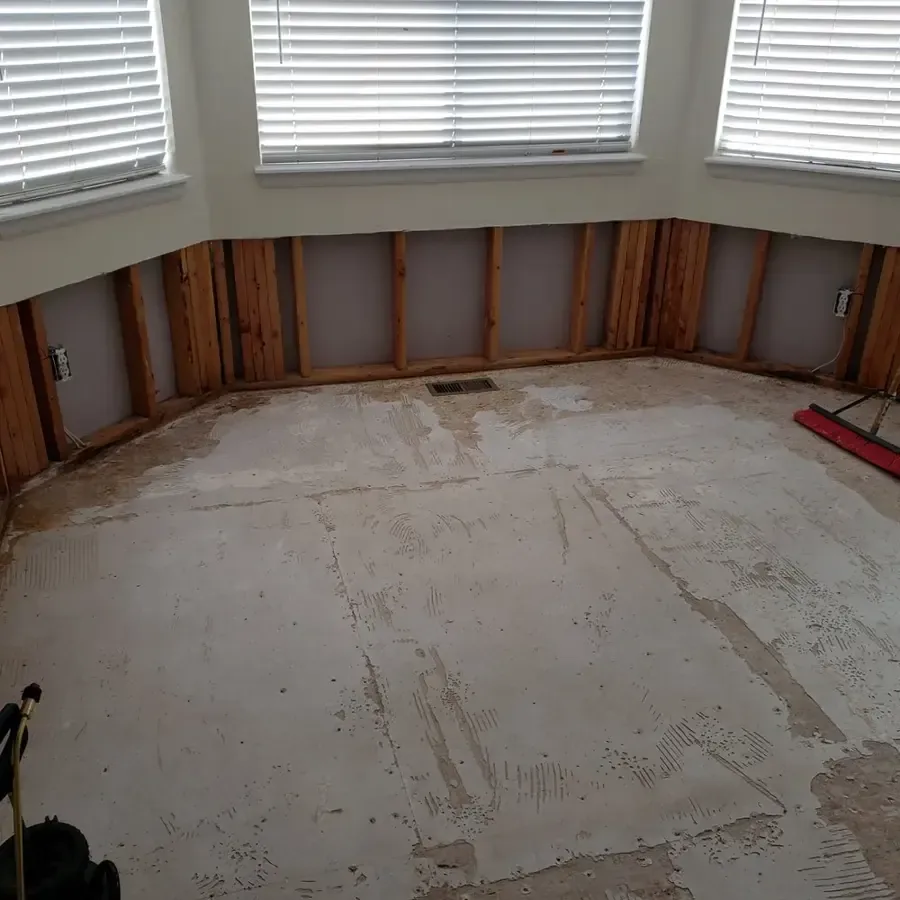
First steps for sewage and septic backup cleanup in Holly
Stay out
Keep people and pets away from the contaminated area.
Do not flush
Avoid using sinks, toilets and drains until the cause is found.
Wear protection
Gloves, boots and a mask are the minimum for any contact.
Photograph, then call
Record the damage, then call the crew for containment.
How a sewage and septic backup cleanup job is handled
Readings before equipment
The tech who does the walkthrough checks walls, floors and the basement slab with pinless meters and thermal imaging before a single fan is placed.
Dried to IICRC S500
The drying team follows IICRC S500, the industry drying standard, so framing and subfloor get structural drying, not a surface wipe.
A file the adjuster can follow
Moisture maps, daily logs and timestamped photos go into one claim file from the first visit to the last reading.
Built for Michigan winters
Frozen pipes, ice dams, snowmelt seepage and sump pumps that quit in a storm are routine work across Livingston County.
What does sewage and septic backup cleanup cost in Holly, MI?
Small hard-floor backups often cost $1,800 to $4,000, a finished lower level runs $4,000 to $12,000, and a large or repeated backup can reach $12,000 to $25,000 or more.
Small area, hard floor
$1,800 to $4,000
- Extraction and removal
- Cleaning and sanitizing
- Short drying stay
Finished lower level
$4,000 to $12,000
- Carpet and lower drywall out
- Containment and scrubbers
- Four to seven days drying
Large or repeated
$12,000 to $25,000+
- Several rooms affected
- Extensive removal
- Full structural drying
Ranges are typical, not a quote: water category, wet square footage, material class and how fast drying started move the number most. Run the water damage cost calculator for a closer planning range.
The sewage and septic backup cleanup process, start to dry
Four stops, run in this order, with a reading logged at each one.
- 1
Contain and protect
Plastic barriers and air scrubbers isolate the work area from clean rooms.
- 2
Remove the material
Wastewater is extracted, and affected carpet, pad and drywall are bagged and removed.
- 3
Sanitize
Hard surfaces and framing are washed and treated with an antimicrobial.
- 4
Dry and verify
Dehumidifiers and air movers run until readings match a dry reference.
The Village of Holly runs its own sewer system and wastewater treatment plant, and it uses lift stations to move sewage because, as the utilities director said in 2019, Holly is built on a swamp with many low-lying areas. Whatever the cause of a backup at one building, the cleanup rules stay the same.
What makes sewage different
- It carries bacteria and viruses, so people and pets stay out of the area.
- Carpet, pad, insulation and drywall it touched cannot be cleaned and are removed.
- Hard surfaces and framing are washed and treated with an antimicrobial.
- HEPA air scrubbers clean the air while the work is under way.
A system under strain
In April 2026 repeated heavy rains pushed peak flows at the village wastewater system above 5 million gallons per day, and a primary pump failed. That describes the treatment system, not any single building. A backup inside a home or business can come from a blocked drain, a septic problem or a failure on the property.
Whatever the cause, the crew contains the work area, removes the contaminated material and documents each step. The storm flood cleanup page explains how outdoor floodwater is handled, and the main sewage page lists the full process.
After the removal
Once the affected materials are out, the crew sanitizes and dries the structure, logging readings until they match a dry reference.
Sewage and Septic Backup Cleanup across the surrounding area
Backup calls come from across the village, including the Lake District, the North End, the Church Street and Tenny Street areas, Downtown Holly, the Mill Pond area and every address in ZIP code 48442.
The same service nearby: sewage and septic backup cleanup in Howell, Fenton, Milford. Every water service for this town · every town covered
Related water damage services nearby
Sewage and Septic Backup Cleanup questions in Holly, MI
Is sewage water always dangerous?
Yes. It is Category 3 water that carries bacteria and viruses, so it is handled with protective gear, containment and removal of porous materials.
What happened at the village system in April 2026?
Repeated heavy rains pushed peak flows above 5 million gallons per day and a primary pump failed. The village declared a local emergency on April 21, and the state extended its declaration.
Does that strain mean sewage backed up into homes?
No. Those reports described the treatment system, not any building. A backup at one property can have causes such as a blocked drain or a septic issue, and the crew handles the loss wherever it begins.
Can carpet be cleaned after sewage?
No. Carpet and pad that touched sewage are removed and discarded, while hard surfaces and framing can be washed, treated and dried.
How long does the cleanup take?
Four to seven days is common, including removal, sanitizing and drying with scrubbers running. Readings decide when the area is clear.
Is a septic backup treated the same way?
Yes. Septic water is also black water, so containment, removal and sanitizing follow the same steps.
Contain, remove and sanitize before it spreads
A crew arrives in protective gear with containment and scrubbers for a Holly home or business, then removes and sanitizes everything the water touched.