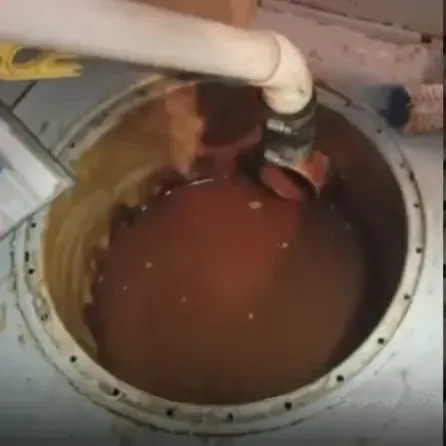
A sump pump runs quietly until the day it stops. Then the pit fills, and the water has nowhere to go but across the floor around it. A city rule that took effect on September 1, 2022 also puts a permit and an inspection on installing a sump pump drain pipe.
Key takeaways
- A sump pump stops for a few common reasons: power loss, a stuck float, a worn motor or a blocked discharge pipe.
- Water from a failed pit is groundwater or storm water, so it can carry soil and bacteria.
- Extraction comes first, then soaked carpet, pad and low drywall are removed and the floor and walls are dried to readings.
- Starting September 1, 2022, the City of South Lyon Building Department requires a plumbing permit and an inspection to install a sump pump drain pipe.
- The permit rule says nothing about how many homes have pumps, and it covers installing the drain pipe, not every repair.
How a sump pump stops working
A sump pump sits in a pit and moves collected groundwater or storm water out through a discharge pipe. Anything that stops the motor, the float or the discharge lets the pit fill.
Severe storms in August 2023 brought down trees, limbs and utility wires in the city, the kind of event that cuts power to a pump.
- Power loss: a storm that drops utility wires also stops the pump.
- A stuck float: the switch never tells the pump to run.
- A worn or burned out motor, often after a long wet season.
- A blocked or frozen discharge pipe, so the pump runs but the water cannot leave.
- Too much water arriving for the pump to move at once.
Why the pump fails when it is needed most
The storms that fill a pit fastest are often the same storms that cut power. A pump that has been idle for months then has to start under full load.
A pump that never gets tested can sit stuck for a season and nobody knows until the pit is full.
What an overflowing pit does to a floor
A pit that overflows spreads water in a wide, thin sheet that reaches carpet, boxes and the base of walls. Drywall that touches the water pulls it upward.
Where a home has a sump pit, the floor around it takes the water first. Wet cardboard and stored fabric hold it for days.
The first signs are easy to miss. A pump that runs all night and a pit that never empties are warnings, and so is a pump that is silent while the pit is full.
- A silent pump with a full pit.
- Water marks and damp spots at the base of walls.
- Wet cardboard, a damp smell or carpet that squishes underfoot.
- Baseboards or drywall that darken at the bottom.
Sump water and the materials it touches
Pit water is groundwater or storm water. It picks up soil and bacteria on the way in, so the crew treats it as contaminated rather than clean.
That sorting decides what stays. Materials that soak up water and cannot be washed thoroughly are removed, and solid materials are cleaned and dried.
Hard flooring and concrete
Sealed concrete, tile and most vinyl are cleaned and dried in place. Flooring that trapped water underneath is lifted so the subfloor can dry.
Carpet, pad and drywall
Carpet and pad are usually removed, because they hold water and dirt from the pit. Drywall that wicked water upward is cut out above the wet mark.
Stored goods
Cardboard, fabric and particleboard storage are sorted and discarded when soaked. Plastic bins and metal shelving can be washed.
The cleanup, step by step
The order is simple: stop the source, get the water out, then dry what stays.
Stopping the source
Restore power if the outage was the cause, or empty the pit with a wet vacuum while the pump is checked. A plumber replaces a failed pump or clears a blocked discharge pipe.
Extraction and removal
Truck mounted extractors pull water off the floor first. Arrange water extraction before the water soaks in.
- Standing water is pumped and extracted from every wet room.
- Soaked insulation and drywall are cut out above the wet mark.
- Wet contents are moved to a dry space and sorted.
Drying to readings
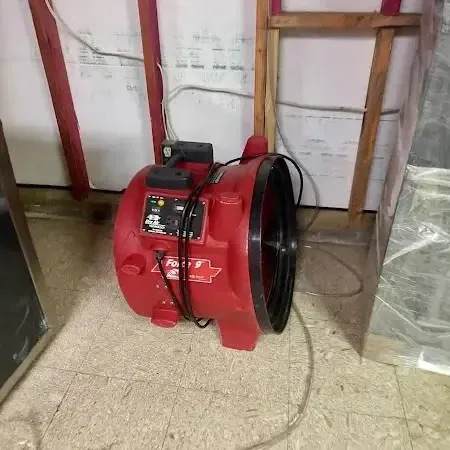
Air movers and dehumidifiers run until moisture readings in the floor and the bottom of the walls reach the dry goal. Walls and trim are replaced only after that.
A sump pump failure job is finished by the readings, not by how dry the room feels.
The South Lyon drain pipe permit
The City of South Lyon Building Department requires a plumbing permit and an inspection for installing a sump pump drain pipe. The rule applies from September 1, 2022.
The city plumbing permit application says work is not to begin before the application is filed with the city.
The rule covers the drain pipe installation. It does not say how many homes have sump pumps, and it does not describe any particular home or foundation.
Lyon Township, the township around the city, is a separate government with its own building department, so township rules are not the city's. The first thing to confirm is which one a property belongs to.
A plumber who knows the city process can say whether the work needs a permit before the first cut is made. That conversation costs nothing and prevents a stop in the middle of a repair.
- Ask the plumber whether the permit has been filed before the pipe work starts.
- Ask when the inspection is scheduled.
- Keep the permit paperwork and the inspection date with the other repair records.
Checks that keep the next failure small
A few simple checks catch problems before heavy rain does. The full water damage restoration steps apply when a check comes too late.
- Pour water into the pit until the float lifts and confirm the pump starts and empties it.
- Clear leaves and ice from the outdoor end of the discharge pipe.
- Ask a plumber about a battery backup pump where power cuts are a worry.
- Keep stored items off the floor near the pit.
Records worth keeping
Photos of the full pit, the wet floor and every damaged item belong in the file, along with a note of when the pump stopped and when the water was found.
- The date, the time and the apparent cause.
- Photos before anything is moved.
- A list of discarded items.
- Receipts for pump repair, extraction and any replacement.
Questions
Does the city require a permit to replace a sump pump?
The confirmed rule covers installing a sump pump drain pipe, which takes a plumbing permit and an inspection. For a pump replacement, the Building Department is the office to ask.
Is the water from a failed pit clean?
No. It is groundwater or storm water, which can carry soil and bacteria, so soaked porous materials are removed.
Can carpet that got wet from an overflowing pit be dried?
The carpet and pad are usually removed, because they hold water and dirt. Hard flooring and framing can often be dried in place.
How long does a sump overflow take to dry?
It depends on how far the water spread and which materials it reached. Readings, not a calendar, decide when drying is done.
What if the pump runs but the water keeps rising?
Check the discharge pipe for a blockage or ice and call a plumber. If water has reached the floor, arrange extraction.
Who handles permits in Lyon Township?
Lyon Township has its own building department and its own rules, separate from the city. A cleanup for a sump pump failure follows the same steps on either side of that boundary.