Basement Flooding Cleanup in Fenton
When water collects in a basement or another lower level, the job starts with pumping it out and ends only when the slab, wall bases, carpet edges and framing read dry. Every step is documented for the claim file.
(888) 612-9219Dry out the flooded lower level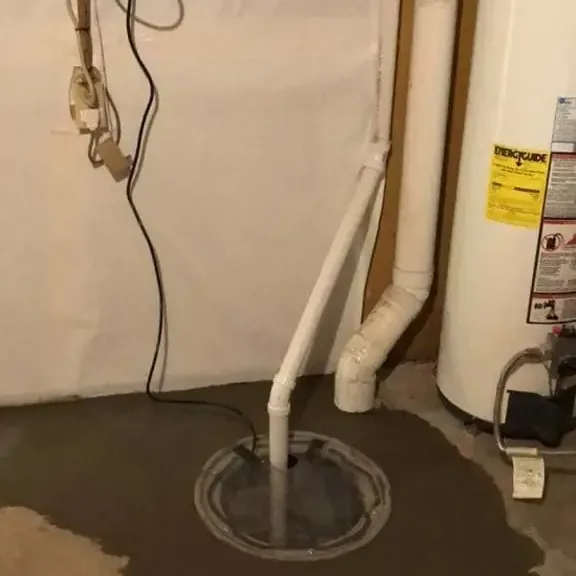
First steps for basement flooding cleanup in Fenton
Stay out of deep water
Water can reach outlets and appliances, so shut off power to the area first.
Move contents up
Lift boxes, rugs and electronics onto dry shelves or an upper floor.
Note the waterline
Photograph the water level on the walls before any pump goes in.
Hold the laundry
Do not run washers or dishwashers while a drain is backing up.
How a basement flooding cleanup job is handled
Readings before equipment
The tech who does the walkthrough checks walls, floors and the basement slab with pinless meters and thermal imaging before a single fan is placed.
Dried to IICRC S500
The drying team follows IICRC S500, the industry drying standard, so framing and subfloor get structural drying, not a surface wipe.
A file the adjuster can follow
Moisture maps, daily logs and timestamped photos go into one claim file from the first visit to the last reading.
Built for Michigan winters
Frozen pipes, ice dams, snowmelt seepage and sump pumps that quit in a storm are routine work across Livingston County.
What does basement flooding cleanup cost in Fenton, MI?
Cleanup of an unfinished lower level typically runs $1,200 to $3,000 and a finished one $3,000 to $8,000, while a flood that carries sewage reaches $7,000 to $18,000 or more because of containment and removal.
Unfinished level
$1,200 to $3,000
- Pump-out and extraction
- Slab and wall bases dried
- Several days of equipment
Finished level
$3,000 to $8,000
- Wet pad and drywall removed
- Framing and insulation dried
- About a week of drying
Sewage in the water
$7,000 to $18,000+
- Category 3 removal
- Containment and air scrubbers
- Antimicrobial and full drying
Ranges are typical, not a quote: water category, wet square footage, material class and how fast drying started move the number most. Run the water damage cost calculator for a closer planning range.
The basement flooding cleanup process, start to dry
Four stops, run in this order, with a reading logged at each one.
- 1
Pump and extract
Deep water goes out with a submersible pump, then extractors work the slab and stairs.
- 2
Strip the wet layers
Soaked carpet, pad and lower drywall are cut out and bagged, following the moisture.
- 3
Dry the structure
Air movers and dehumidifiers work the slab, wall bases and framing until readings drop.
- 4
Clear and verify
Readings are logged until materials reach dry, then photos and logs go into the claim file.
For a home with a basement or another lower level, a flood is handled one property at a time, because the water's path depends on how that house was built and where its drains and pumps sit. The first goal is simple: get the water out, then find how far it spread before it soaked into anything that cannot dry. That is why the crew asks about the source before any equipment is placed.
What a flooded lower level needs
- Pump-out of deep water with a submersible pump
- Extraction from the slab, the stairs and any floor covering
- Removal of wet carpet pad and drywall cut above the waterline
- Dehumidifiers sized for the cool, damp air of a lower level
- Daily readings on the slab and wall bases until they reach dry
Where the water usually comes from
Heavy rain, fast snowmelt, a failed pump, a cracked supply pipe or a backed-up drain can each put water in a lower level. A window well that fills with runoff can do the same, so the crew checks window areas along with the floor drains. The source sets the water category, and the category decides how much material has to come out.
If the water rose through a floor drain, treat it as sewage and read the sewage backup page, since the city also asks residents to call it before hiring a plumber.
Storm drainage around Fenton
The Shiawassee River runs through the middle of the city and over a dam in the downtown park, and the city says most storm catch basins along its streets end in a pond, a lake or the river. A crew still checks each property's own drainage, because runoff after a hard rain finds low spots wherever it goes.
Basement Flooding Cleanup across the surrounding area
Lower-level flooding calls reach the older streets near downtown, the Appletree subdivision, homes around Mill Pond Park and the Silver Lake Road side of the city, all in ZIP code 48430.
The same service nearby: basement flooding cleanup in Howell, Holly, Milford. Every water service for this town · every town covered
Related water damage services nearby
Basement Flooding Cleanup questions in Fenton, MI
How long can a flooded lower level stay wet?
Without equipment, a slab and its wall bases can stay damp for weeks. Dehumidifiers and daily readings shorten that to several days.
Can finished walls be saved?
Sometimes. Drywall that stayed above the waterline can be dried in place, while drywall that wicked water upward is cut out along the wet edge.
Should the water be pumped out all at once?
Deep water is usually removed in steps so the structure is not stressed, and the crew checks the walls and floor as the level drops.
Is stormwater different from sewage?
Yes. Rain and snowmelt are treated as dirty but not sewage, while backed-up drain water is contaminated and handled under containment. The sewage backup page explains that route.
What about a failed sump pump?
A pump that stops in a storm is a common reason water collects, and the sump pump failure page covers what to check and what the cleanup involves.
Does insurance pay for lower-level flooding?
That depends on the cause and the policy wording, since groundwater and sewer backup are often handled separately from a burst pipe. The adjuster needs dated photos and readings.
Get the lower level pumped and dried
One call starts the pump-out, the wet-material removal and the drying plan, with every reading saved for the insurance file.